









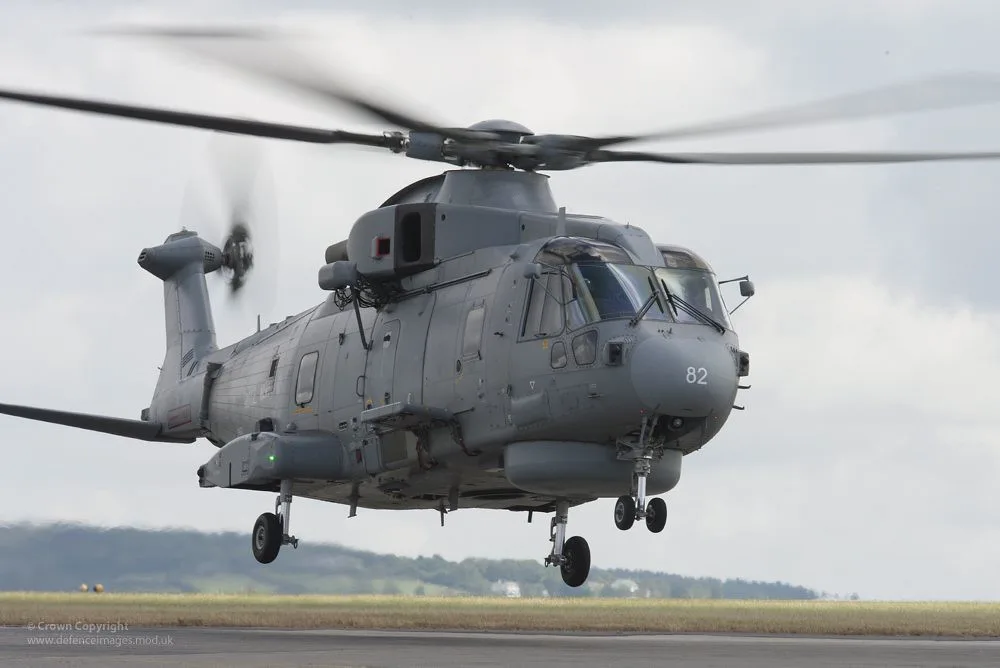
A U.S. military helicopter went down in the vicinity of the Strait of Hormuz on Wednesday, prompting an immediate search and rescue operation that successfully recovered all crew members aboard. While the Pentagon has confirmed the safety of the personnel, the cause of the incident remains under active investigation, leaving open questions regarding whether the aircraft suffered a mechanical failure or was influenced by external hostile action in the volatile maritime corridor.
Context of the Strategic Waterway
The Strait of Hormuz serves as one of the world’s most critical maritime chokepoints, through which approximately one-fifth of the global oil supply flows daily. Tensions between the United States and Iran have frequently escalated in the region, characterized by frequent naval posturing and the deployment of advanced surveillance assets.
Investigating the Incident
Military officials stated that the Apache helicopter was conducting routine operations in international airspace when contact was lost. Rescue teams were dispatched immediately to the last known coordinates, successfully extracting the crew before any potential escalation could occur.
Defense analysts are currently reviewing flight data recorders and radar logs to determine the sequence of events. Preliminary reports suggest there was no immediate distress signal prior to the loss of altitude, which has led experts to consider a range of possibilities, from sudden engine failure to potential electronic interference.
Expert Analysis and Regional Security
“The Strait of Hormuz is an environment where the margin for error is razor-thin,” says Dr. Elena Vance, a senior fellow at the Center for Maritime Security. “Any loss of a U.S. asset in this theater is treated with extreme caution, as the regional security architecture is currently highly sensitized to any military movement.”
Data from the U.S. Naval Institute indicates that there have been at least twelve recorded incidents involving military aircraft or vessels in the Persian Gulf over the last twenty-four months. These incidents often involve close encounters with Islamic Revolutionary Guard Corps (IRGC) patrol boats, adding a layer of complexity to the current investigation.
Implications for Future Operations
The successful rescue operation highlights the military’s robust rapid-response capabilities in contested environments. However, the incident underscores the heightened risk levels faced by aircrews operating near Iranian-controlled territory.
Defense planners are now closely monitoring the potential for a shift in regional rules of engagement. Observers should watch for upcoming Pentagon briefings, which are expected to provide clarity on whether the incident will trigger a shift in flight paths or increase the frequency of escort support for rotary-wing aircraft in the Gulf. Further investigation results will likely influence diplomatic rhetoric between Washington and Tehran in the coming weeks.