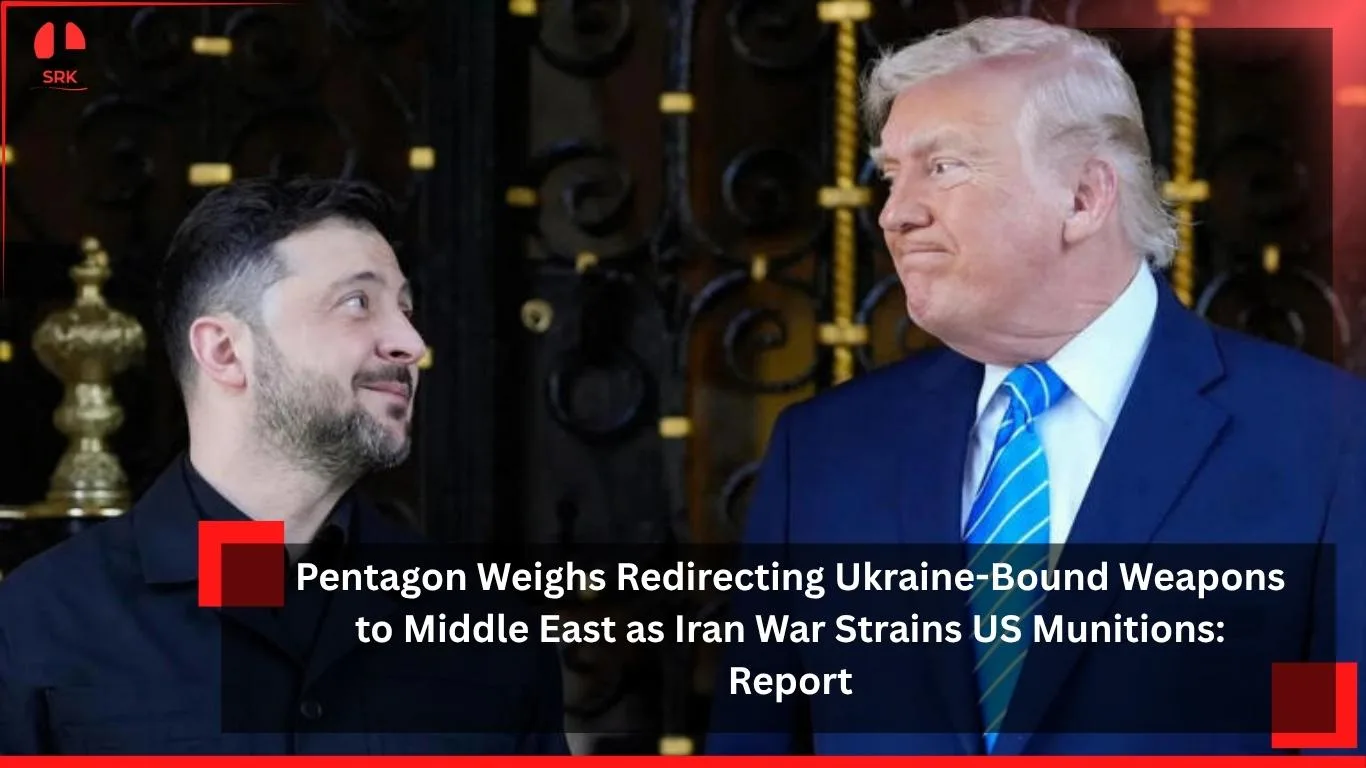
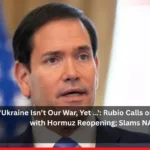
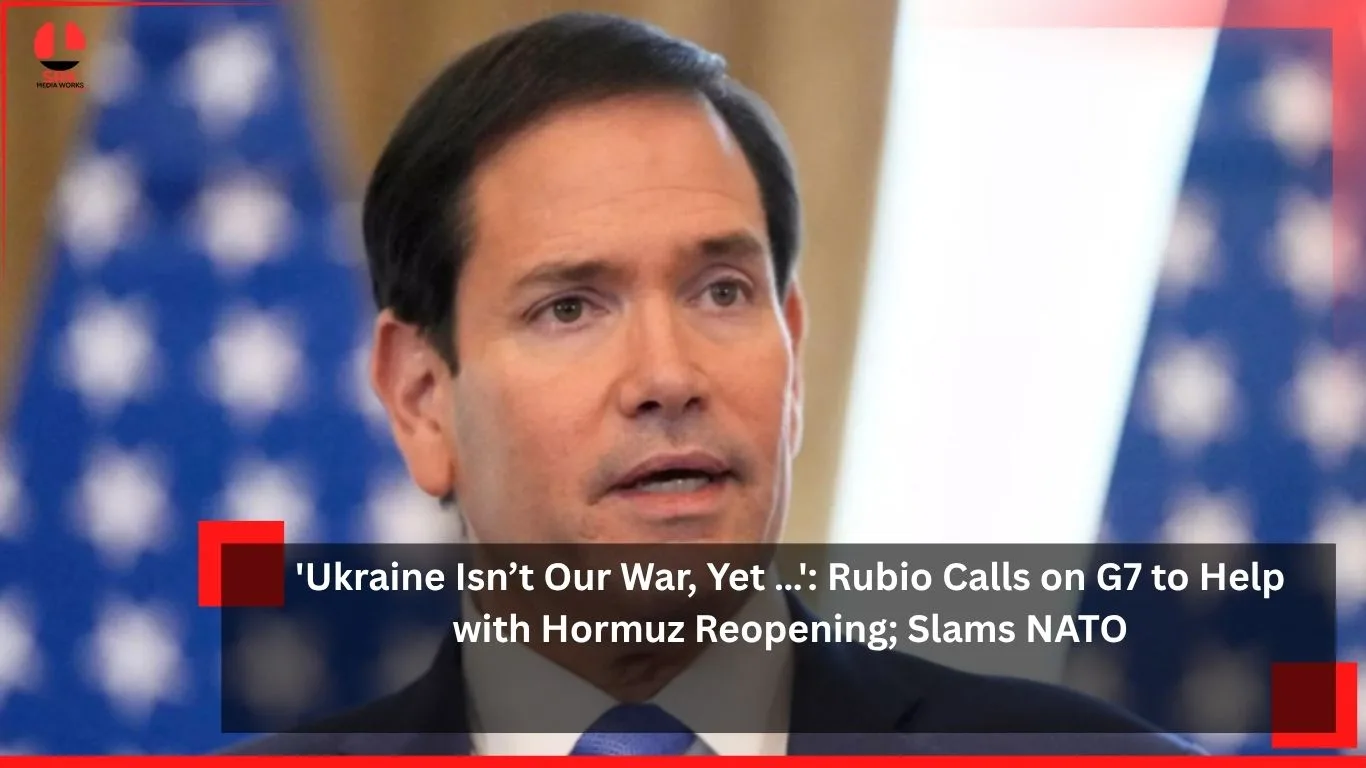
In a striking statement, U.S. Senator Marco Rubio declared that “Ukraine isn’t our war, yet …” while urging the G7 nations to prioritize reopening the Strait of Hormuz amid escalating global tensions. Rubio criticized NATO for what he described as misplaced priorities, arguing that the alliance must focus on securing vital energy routes rather than being consumed by conflicts in Eastern Europe. His remarks have sparked debate across diplomatic and economic circles, highlighting the intersection of energy security, military alliances, and global stability.
Background of Rubio’s Statement
Rubio’s comments came during a policy forum addressing global security challenges. He emphasized that while the Ukraine conflict remains significant, the immediate crisis lies in the closure of the Strait of Hormuz, a chokepoint through which nearly 20% of the world’s oil supply flows. According to Rubio, reopening the strait should be the top priority for the G7, as prolonged disruption threatens global energy markets and economic stability.
Key Highlights of Rubio’s Remarks
- Ukraine Conflict: Rubio acknowledged the importance of Ukraine but stressed it is “not our war, yet.”
- Strait of Hormuz: Urged G7 nations to act decisively to reopen the strait.
- Criticism of NATO: Slammed the alliance for focusing too heavily on Ukraine while neglecting global energy security.
- Global Energy Concerns: Warned of severe economic consequences if oil shipments remain blocked.
- Call for Action: Advocated for coordinated military and diplomatic efforts to secure maritime routes.
Comparative Analysis of Priorities
| Issue | Rubio’s Position | NATO’s Current Focus | Global Implication |
|---|---|---|---|
| Ukraine Conflict | Important but secondary | Primary focus of alliance | Risk of neglecting other crises |
| Strait of Hormuz | Immediate priority | Limited direct engagement | Threat to global energy security |
| Energy Security | Central to global stability | Not prioritized in NATO agenda | Rising oil prices, inflation |
| G7 Role | Must lead reopening efforts | Divided on priorities | Need for coordinated response |
Pivot Analysis: Ukraine vs Hormuz Crisis
| Crisis Factor | Rubio’s Emphasis | Expected Outcome |
|---|---|---|
| Ukraine war | “Not our war, yet” | Reduced U.S. direct involvement |
| Hormuz closure | Immediate reopening needed | G7-led intervention |
| NATO priorities | Misplaced focus | Pressure to recalibrate agenda |
| Global energy markets | Severe disruption | Urgent need for stability |
Implications of Rubio’s Statement
- Diplomatic Pressure: Rubio’s remarks may push G7 nations to reassess priorities.
- Energy Security Focus: Highlights the urgency of reopening the Strait of Hormuz.
- NATO Debate: Sparks discussion on whether the alliance should broaden its scope beyond Europe.
- Global Markets: Investors and energy-dependent nations closely monitor developments.
Reactions
- United States: Rubio’s comments drew mixed responses, with some agreeing on the need to prioritize energy security.
- NATO Officials: Defended the alliance’s focus on Ukraine, citing commitments to European stability.
- Global Analysts: Viewed Rubio’s remarks as a reminder of the interconnectedness of energy and security.
- Markets: Oil prices remained volatile, reflecting uncertainty over the strait’s reopening.
Historical Context
The Strait of Hormuz has long been a flashpoint in global geopolitics. Past conflicts in the Gulf have repeatedly disrupted oil flows, underscoring its vulnerability. Rubio’s call for action echoes past U.S. strategies that prioritized securing maritime routes to stabilize global markets.
Challenges Ahead
- Balancing Priorities: G7 must manage both Ukraine and Hormuz crises without neglecting either.
- Military Risks: Reopening the strait may require naval deployments, raising the risk of confrontation.
- Diplomatic Coordination: Ensuring unity among G7 nations is essential.
- Economic Fallout: Prolonged disruption could trigger global inflation and recessionary pressures.
Conclusion
Rubio’s declaration that “Ukraine isn’t our war, yet …” coupled with his call for G7 action to reopen the Strait of Hormuz reflects a shift in focus toward global energy security. By criticizing NATO’s priorities, he has reignited debate on the role of alliances in addressing crises beyond Europe. As oil markets remain volatile and geopolitical tensions escalate, the reopening of Hormuz may prove to be the defining challenge for global stability in the months ahead.
Disclaimer
This article is based on publicly available reports and expert commentary. It does not represent official government statements or insider accounts. Readers should interpret the content as journalistic analysis, recognizing that geopolitical developments are fluid and subject to change.