
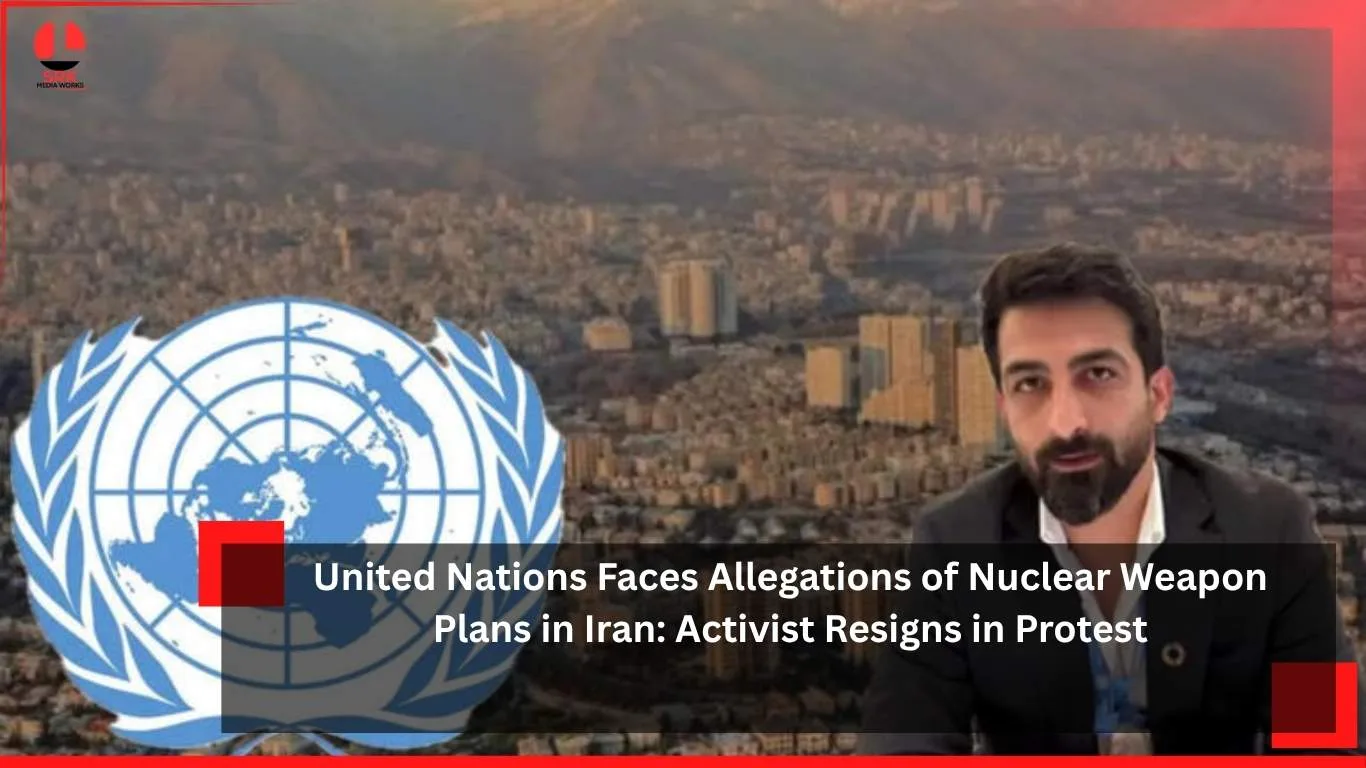
The United Nations is facing unprecedented scrutiny after allegations emerged that it is preparing for potential nuclear weapon use in Iran, reportedly backed by powerful lobbying groups. The controversy intensified when a prominent activist resigned from the organization, declaring they could not remain a witness to what they described as a “crime against humanity.”
This development has sparked global debates about the UN’s role, its credibility, and whether the institution is straying from its founding principles of peace, diplomacy, and cooperation.
Historical Context
The UN was established in 1945 to prevent wars and promote peace through dialogue. Its charter emphasizes disarmament, conflict resolution, and humanitarian aid. Allegations of nuclear weapon planning contradict these principles and raise questions about whether external lobbying groups are exerting undue influence.
Iran has long been a focal point of international negotiations, particularly regarding nuclear energy and weaponization. Past agreements, such as the Joint Comprehensive Plan of Action (JCPOA), sought to limit Iran’s nuclear capabilities in exchange for lifting sanctions. If the UN is indeed considering nuclear strikes, it would represent a dramatic departure from decades of diplomatic efforts.
Activist’s Resignation
The activist’s resignation is symbolic, highlighting internal dissent. Their statement emphasized moral responsibility, arguing that silence would equal complicity. This act has galvanized civil society groups, human rights organizations, and political commentators worldwide.
Global Reactions
Governments
- Some nations have demanded clarification from the UN.
- Others remain cautious, awaiting official confirmation before issuing statements.
Civil Society
- Human rights groups condemned the alleged plans, calling them violations of international law.
- Peace activists organized demonstrations, urging transparency and accountability.
Ethical and Legal Implications
The use of nuclear weapons is prohibited under various international treaties, including the Treaty on the Non-Proliferation of Nuclear Weapons (NPT). Any move toward nuclear deployment would not only violate these agreements but also undermine decades of global disarmament efforts.
Impact on Middle East Stability
Iran is already a volatile region with geopolitical tensions involving the US, Israel, Saudi Arabia, and other powers. Nuclear escalation would destabilize the Middle East further, potentially triggering retaliatory actions and widespread humanitarian crises.
Analytical Breakdown
Possible Motivations
- Pressure from lobbying groups seeking geopolitical dominance.
- Strategic deterrence against Iran’s nuclear ambitions.
- Internal divisions within the UN leadership.
Risks
- Civilian casualties.
- Environmental destruction.
- Collapse of diplomatic credibility.
Comparative Analysis
| Factor | Diplomatic Approach | Nuclear Approach |
|---|---|---|
| Civilian Safety | High protection | Severe risk |
| Environmental Impact | Minimal | Catastrophic |
| Global Trust in UN | Strengthened | Severely damaged |
| Long-term Stability | Sustainable | Highly unstable |
Regional Power Dynamics
| Country | Position on Iran | Likely Reaction to UN Nuclear Plans |
|---|---|---|
| United States | Opposes Iran’s nuclear program | Could support but face backlash |
| Russia | Supports Iran diplomatically | Strong opposition |
| China | Advocates diplomacy | Condemnation |
| Israel | Sees Iran as threat | Possible support |
| Saudi Arabia | Rival of Iran | Mixed reaction |
Pivot Analysis of Stakeholders
| Stakeholder Group | Support for Nuclear Action | Opposition to Nuclear Action |
|---|---|---|
| Governments | US, Israel | Russia, China, EU nations |
| Civil Society | Minimal | Human rights groups, NGOs |
| Lobbyists | Strong | Weak |
| Activists | None | Strong |
Future Scenarios
- Diplomatic Resolution: UN clarifies allegations, recommits to peace.
- Escalation: Nuclear plans proceed, triggering global crisis.
- Reform: Internal restructuring of UN to reduce lobbying influence.
Conclusion
The allegations against the United Nations represent a critical moment in global governance. If true, they challenge the very foundation of the institution. The activist’s resignation underscores the moral dilemma faced by individuals within international organizations. The world now watches closely, demanding transparency, accountability, and a recommitment to peace.
Disclaimer
This article is based on allegations and activist statements. No official confirmation has been provided by the United Nations regarding nuclear weapon plans in Iran. The content is intended for informational and analytical purposes only, not as verified fact. Readers are encouraged to follow official updates for accurate information.