

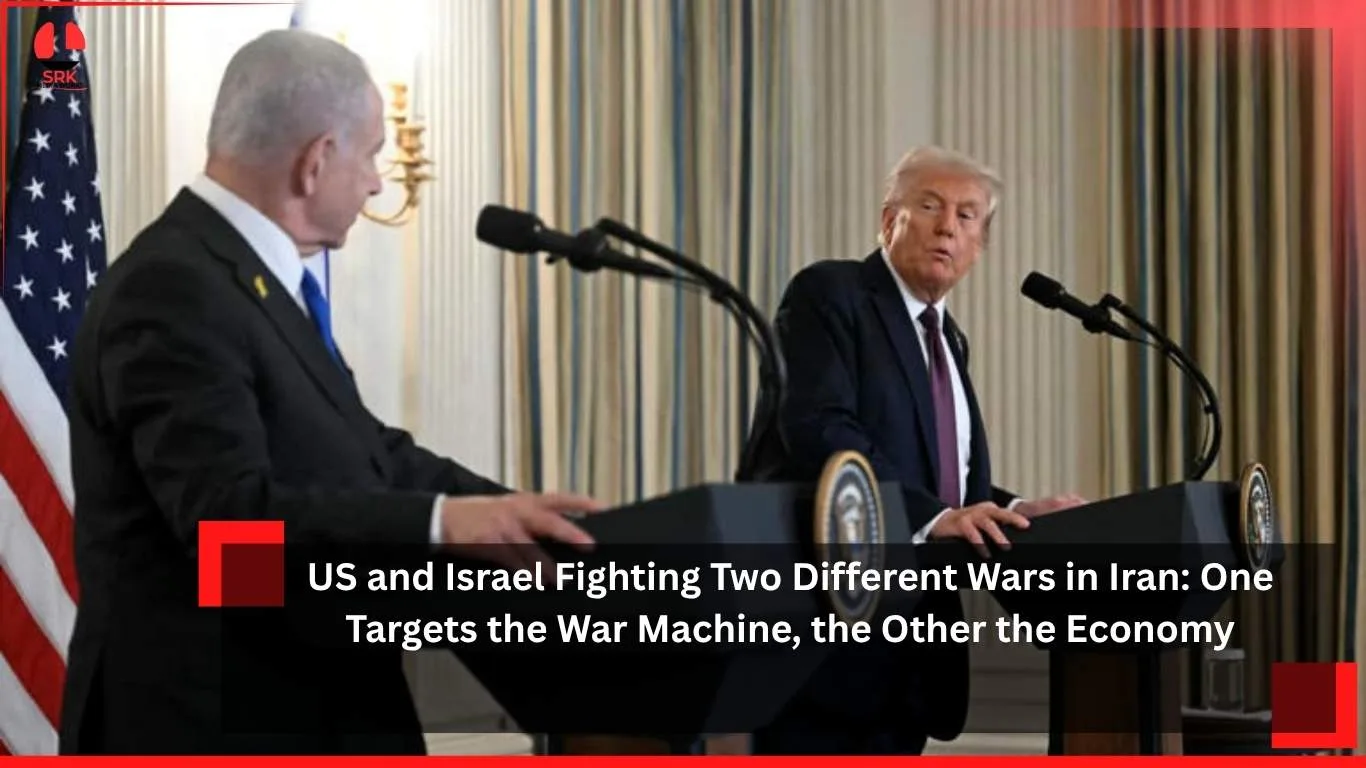
The geopolitical tensions surrounding Iran have entered a new phase, with the United States and Israel pursuing distinct but overlapping strategies. While Israel focuses on dismantling Iran’s military infrastructure—its “war machine”—the United States has intensified economic pressure through sanctions and financial isolation. Together, these dual approaches represent a comprehensive attempt to weaken Iran’s ability to project power both militarily and economically.
Israel’s Military Campaign Against Iran’s War Machine
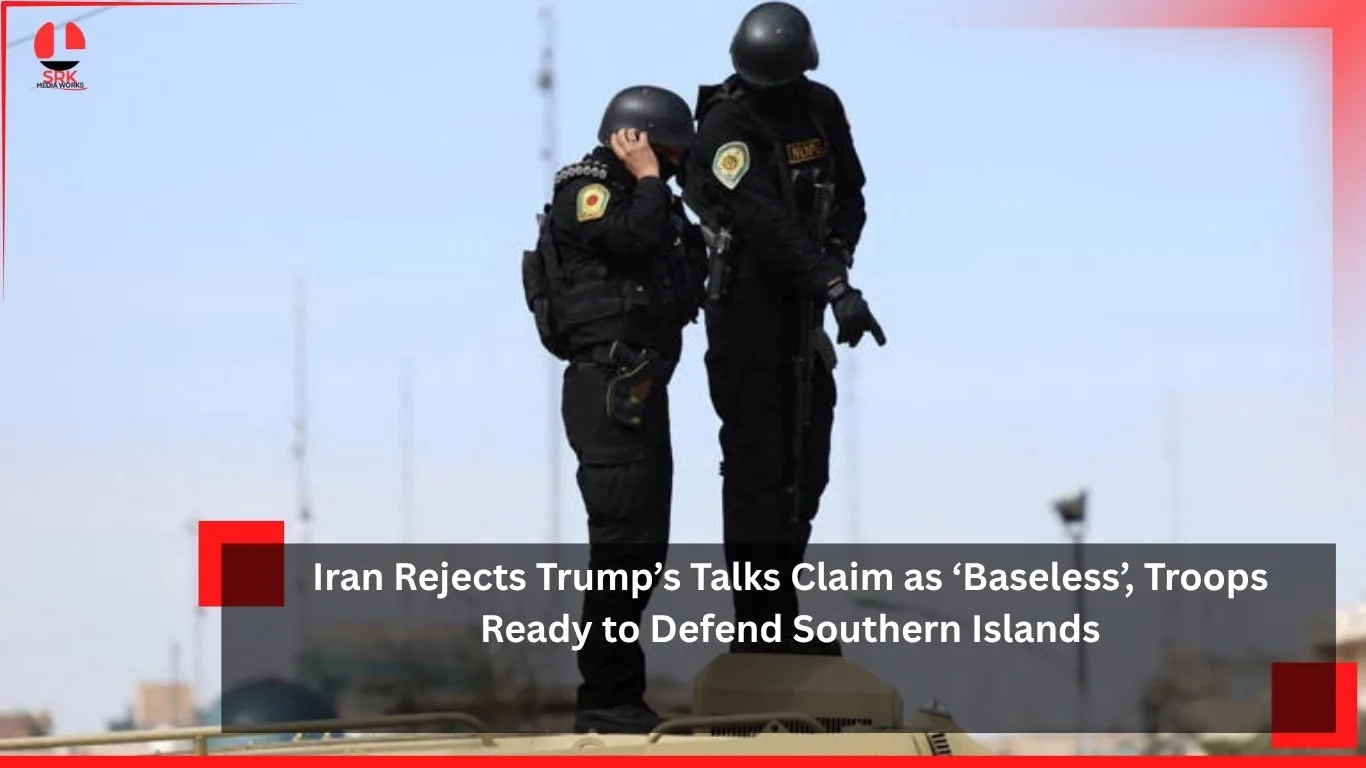
Israel has long viewed Iran as its most significant regional adversary, citing Tehran’s support for Hezbollah, Hamas, and other militant groups. In recent months, Israel has escalated its strikes against Iranian military assets, targeting weapons depots, drone facilities, and missile production sites.
Key aspects of Israel’s military campaign:
- Precision strikes on Iranian-linked facilities in Syria and Iraq.
- Cyber operations aimed at disrupting Iran’s defense systems.
- Intelligence sharing with Western allies to monitor Iran’s military buildup.
- Deterrence strategy to prevent Iran from expanding its influence across the Middle East.
The US Economic War Against Iran
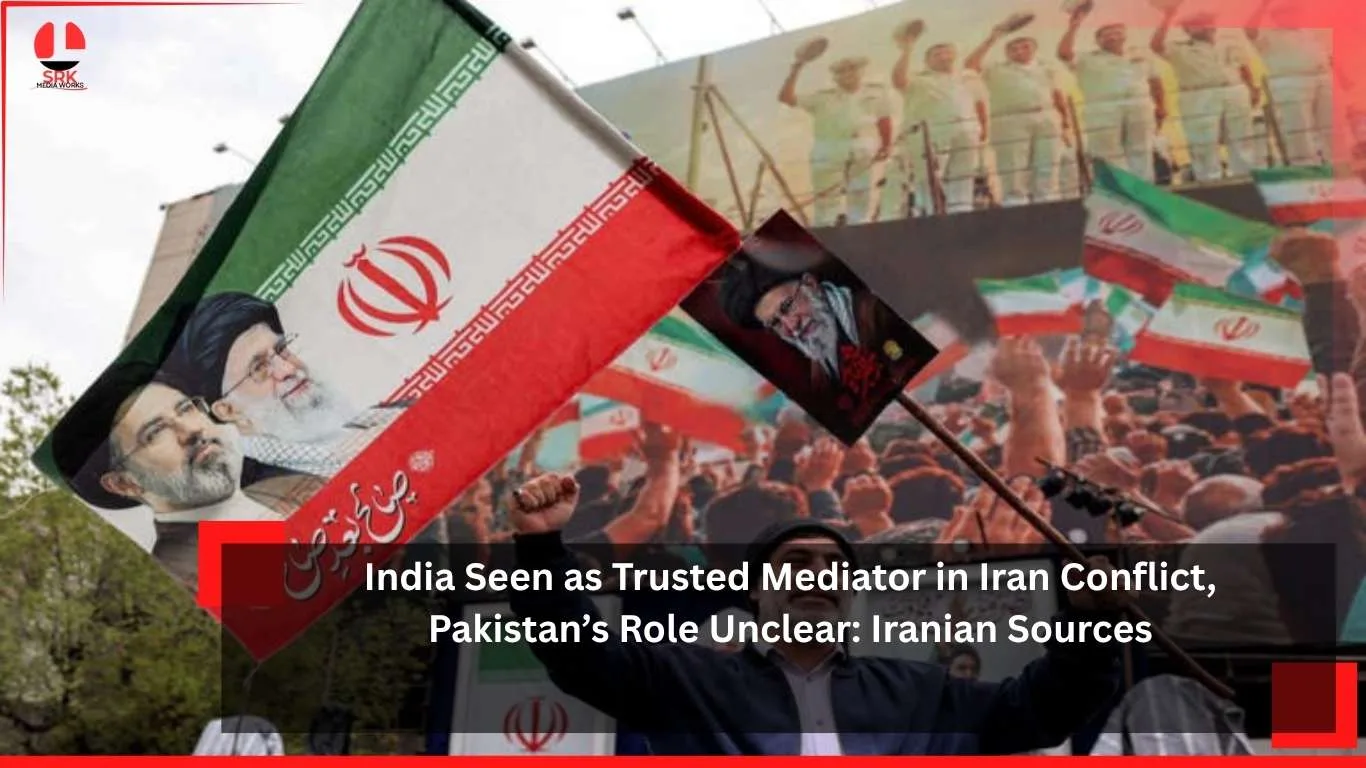
While Israel’s focus is military, the United States has doubled down on economic measures. Washington’s sanctions have targeted Iran’s oil exports, banking sector, and access to international markets. The goal is to cripple Iran’s economy, thereby limiting its ability to fund military operations and regional proxies.
Key elements of the US economic campaign:
- Sanctions on oil exports, reducing Iran’s revenue streams.
- Restrictions on banking transactions, isolating Iran from global finance.
- Pressure on foreign companies to avoid doing business with Tehran.
- Support for alternative energy suppliers to reduce global dependence on Iranian oil.
Timeline of Dual Strategies
| Date | US Action | Israeli Action | Impact |
|---|---|---|---|
| Early 2025 | Expanded sanctions on Iranian oil | Strikes on weapons depots in Syria | Economic strain, military disruption |
| Mid-2025 | Sanctions on Iranian banks | Cyber operations against missile systems | Financial isolation, weakened defense |
| Late 2025 | Diplomatic push to isolate Iran | Targeted drone facility strikes | Regional instability |
| 2026 | Intensified sanctions enforcement | Expanded military operations | Comprehensive pressure on Iran |
Comparative Analysis of Strategies
| Factor | US Economic War | Israel Military War |
|---|---|---|
| Objective | Cripple Iran’s economy | Destroy Iran’s military capacity |
| Tools | Sanctions, financial isolation | Airstrikes, cyber attacks |
| Short-term Impact | Inflation, unemployment | Loss of military assets |
| Long-term Impact | Weakening of state funding | Reduced regional influence |
| Risks | Humanitarian crisis | Escalation into full-scale war |
Regional Reactions
The dual campaigns have triggered varied responses across the Middle East:
- Saudi Arabia and Gulf allies: Support both strategies, viewing Iran as a destabilizing force.
- Turkey: Cautious, wary of regional escalation.
- European Union: Concerned about humanitarian fallout from sanctions.
- Russia and China: Oppose US measures, offering limited support to Iran.
Implications for Global Energy Markets
Iran’s economy is heavily dependent on oil exports. US sanctions have reduced its ability to sell oil, while Israel’s military strikes raise concerns about potential disruptions in the Strait of Hormuz. Any instability in this region directly impacts global energy prices.
Broader Geopolitical Impact
The dual wars highlight the complexity of modern conflict, where military and economic strategies intertwine. While Israel seeks immediate military deterrence, the US aims for long-term economic weakening. Together, they represent a coordinated attempt to reshape Iran’s role in the Middle East.
Conclusion
The United States and Israel are fighting two different wars in Iran—one targeting the war machine, the other the economy. Israel’s military strikes aim to dismantle Iran’s defense infrastructure, while Washington’s sanctions seek to cripple its financial foundations. The combined effect is a comprehensive strategy designed to weaken Iran’s regional influence. However, the risks of escalation, humanitarian crises, and global energy instability remain significant.
Disclaimer
This article is based on reported geopolitical developments and independent analysis. It does not confirm or deny official military or diplomatic actions. Readers should treat the content as interpretative reporting rather than definitive government policy.