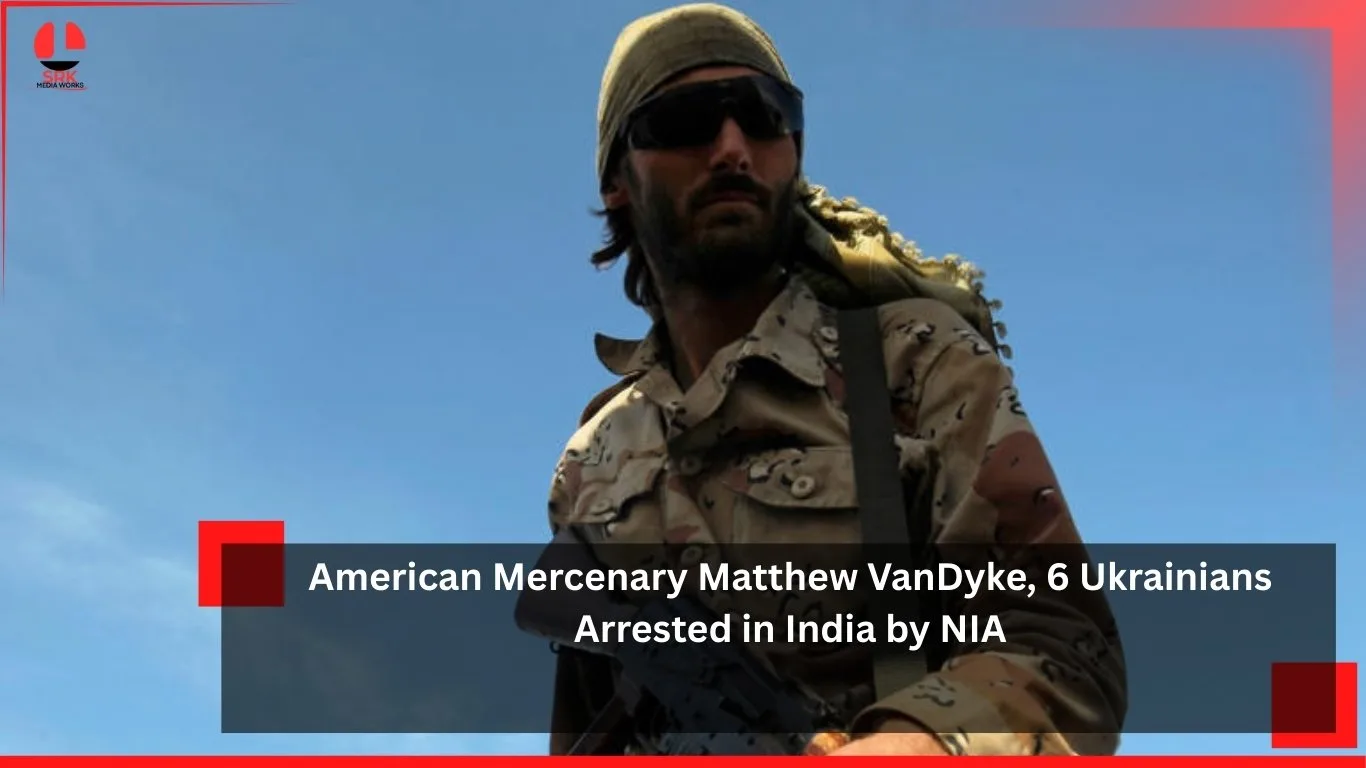




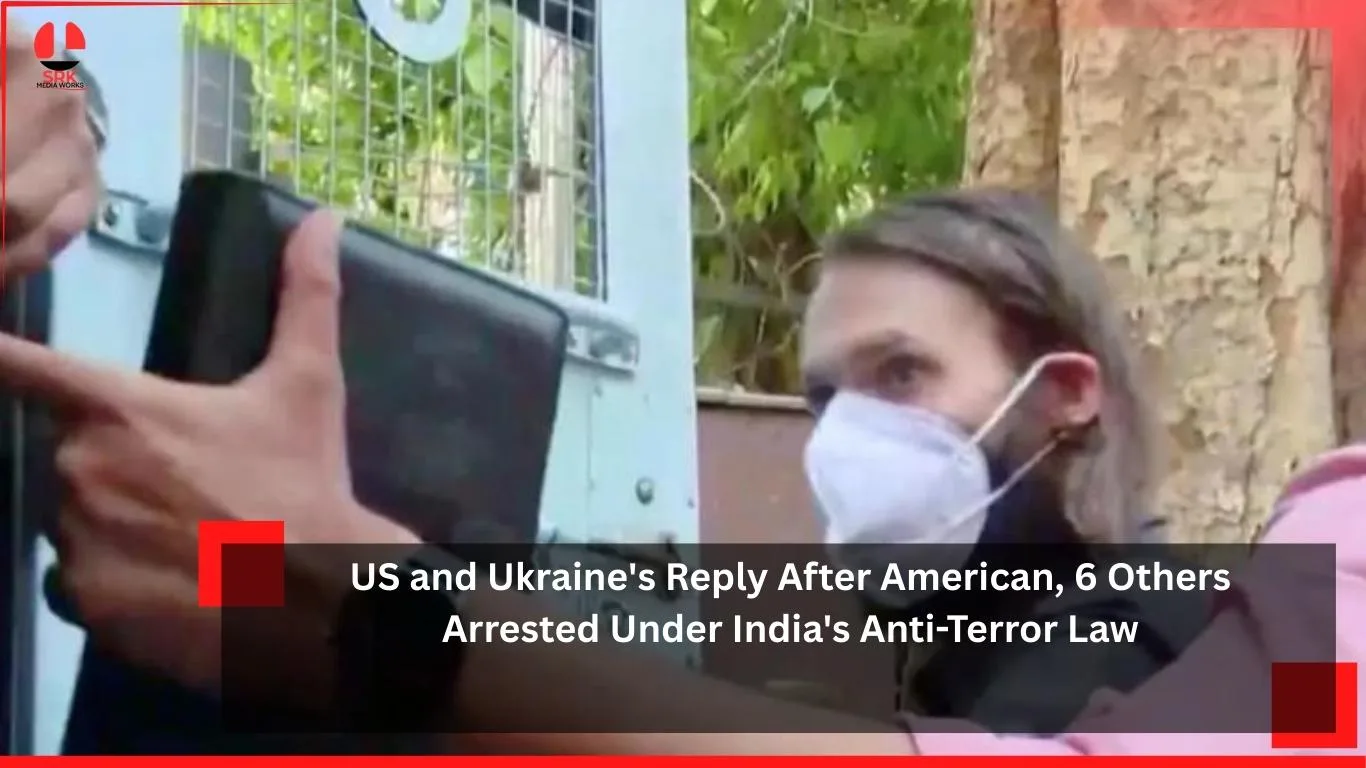
A diplomatic storm has emerged following the arrest of seven individuals, including one American citizen, under India’s anti-terror legislation. The incident has drawn responses from both Washington and Kyiv, highlighting the complexities of international law, bilateral relations, and global security cooperation.
Background
Authorities in India invoked stringent anti-terror provisions to detain the group, citing alleged involvement in activities deemed a threat to national security. Among those arrested was a U.S. national, alongside six others with varied backgrounds. The arrests immediately attracted international attention, given the involvement of foreign citizens and the sensitivity of the charges.
The matter escalated when officials from the United States and Ukraine issued statements expressing concern and seeking clarity. While India emphasized its sovereign right to enforce domestic laws, the responses from Washington and Kyiv underscored the diplomatic balancing act required in such cases.
Why This Matters
- Diplomatic Sensitivity: Arrests involving foreign nationals often strain bilateral ties.
- Legal Implications: Anti-terror laws are among the most stringent, raising questions about due process.
- Public Perception: Citizens in the U.S. and Ukraine closely monitor how their governments protect nationals abroad.
- Global Security: The case highlights the challenges of balancing national security with international cooperation.
Key Highlights
| Aspect | Details |
|---|---|
| Arrests | Seven individuals detained under anti-terror law |
| Nationalities | One American, six others including Ukrainian citizens |
| India’s Position | Enforcement of domestic security laws |
| US Response | Expressed concern, requested details |
| Ukraine’s Response | Called for transparency and consular access |
Comparative Analysis of Similar Incidents
| Year | Country | Incident | Outcome |
|---|---|---|---|
| 2013 | Russia | Arrest of American activist | Diplomatic protests, eventual release |
| 2017 | Turkey | Detention of European journalists | Strained EU-Turkey relations |
| 2020 | China | Arrest of Canadian citizens | Prolonged diplomatic standoff |
| 2026 | India | Detention under anti-terror law | Ongoing diplomatic engagement |
This comparison shows how arrests under sensitive laws often trigger international disputes, requiring careful negotiation.
Public Reactions
- Supporters of India’s Action: Applauded the enforcement of strict laws to safeguard national security.
- Critics Abroad: Questioned whether due process and transparency were upheld.
- Neutral Analysts: Emphasized the importance of balancing sovereignty with diplomatic engagement.
Stakeholder Breakdown
| Stakeholder | Position | Impact |
|---|---|---|
| Indian Authorities | Enforcing anti-terror law | Assert sovereignty, face diplomatic scrutiny |
| US Government | Expressed concern | Protects citizen, seeks clarity |
| Ukrainian Officials | Requested transparency | Advocates for nationals abroad |
| Citizens | Divided opinions | Concerns over fairness and safety |
| Global Observers | Watching closely | Assessing implications for international law |
Broader Impact
The incident underscores the challenges of enforcing domestic laws in a globalized world. For India, the arrests demonstrate a commitment to national security. For the United States and Ukraine, the priority lies in ensuring the rights and safety of their citizens abroad.
The broader impact extends to global diplomacy, where such cases often become test grounds for how nations balance sovereignty with international obligations. Energy markets, trade relations, and security alliances can all be indirectly affected by the fallout of such disputes.
Conclusion
The arrest of seven individuals under India’s anti-terror law has sparked a diplomatic debate involving Washington and Kyiv. While India asserts its sovereign right to enforce laws, the responses from foreign governments highlight the complexities of protecting citizens abroad while respecting another nation’s legal framework.
The coming weeks will be crucial in determining whether the matter is resolved through diplomatic channels or escalates into a prolonged standoff.
Disclaimer
This article is intended for informational purposes only and does not constitute legal or diplomatic advice. The content is based on publicly available information and analysis at the time of writing. Readers are encouraged to consider multiple perspectives before forming conclusions on sensitive international matters.