


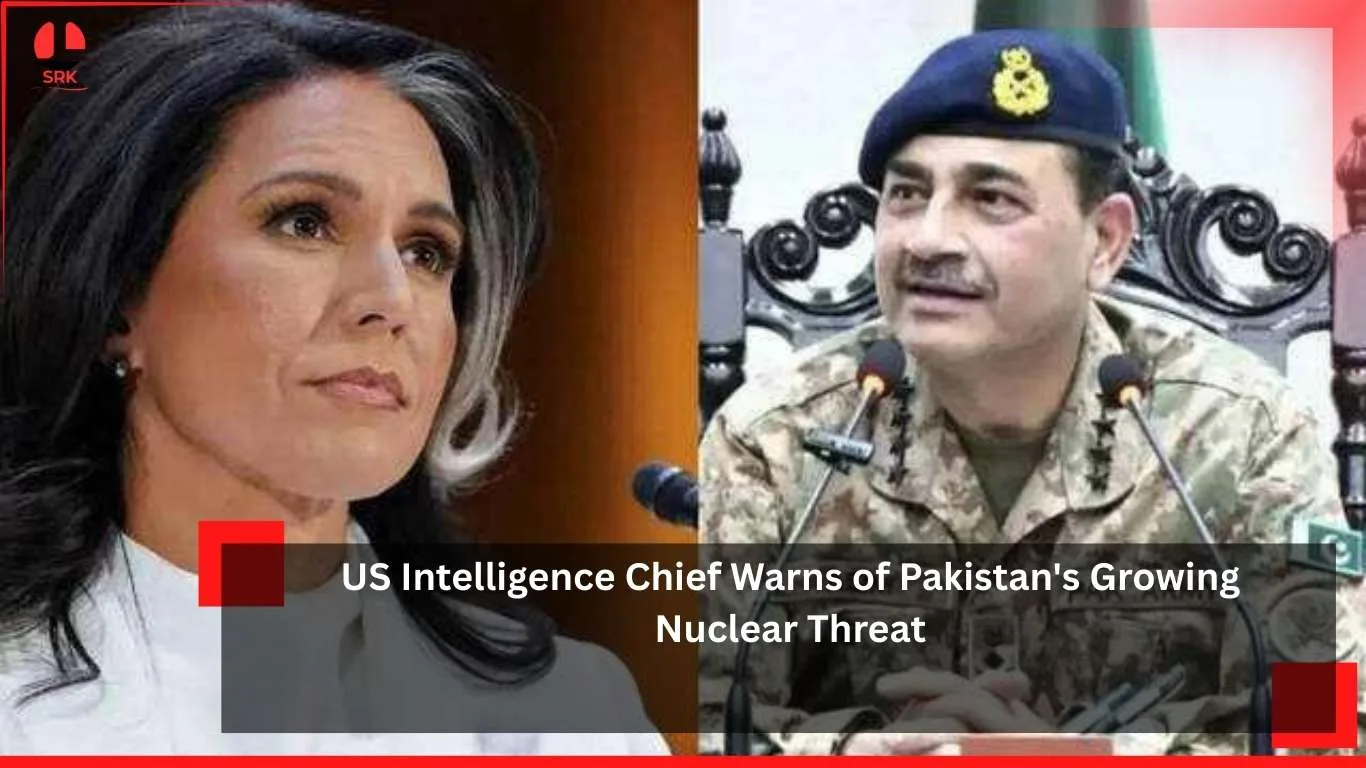
The United States intelligence community has raised alarm over Pakistan’s expanding nuclear arsenal, warning that it poses a growing threat to global security. In the latest Annual Threat Assessment 2026, the Director of National Intelligence highlighted Pakistan alongside Russia, China, and North Korea as one of the most pressing nuclear challenges facing Washington.
Context of the Warning
Pakistan has long maintained a robust nuclear program, but recent intelligence reports suggest accelerated development of advanced missile systems, including longer-range capabilities. Concerns have also been raised about the security of nuclear assets amid Pakistan’s domestic political instability and economic crisis.
Key Highlights from the Report
- Pakistan listed among top nuclear threats alongside Russia, China, and North Korea.
- Expansion of nuclear arsenal with advanced missile technology.
- Concerns over nuclear security due to internal instability.
- Regional implications for South Asia, particularly India.
Comparative Nuclear Threats
| Country | Nuclear Capability | Primary Concern for US | Current Status |
|---|---|---|---|
| Russia | Largest arsenal | Strategic rivalry | Active modernization |
| China | Expanding arsenal | Indo-Pacific tensions | Rapid growth |
| North Korea | Rogue state | Unpredictable actions | Continued testing |
| Pakistan | Growing arsenal | Regional instability | Security concerns |
Pakistan’s Nuclear Development
Pakistan’s nuclear program has historically been driven by its rivalry with India. However, intelligence reports suggest that Islamabad is now focusing on:
- Long-range missile development potentially capable of reaching beyond South Asia.
- Tactical nuclear weapons designed for battlefield use.
- Modernization of delivery systems including submarines and aircraft.
Regional Implications
The warning has significant consequences for South Asia:
- India: Heightened security concerns and potential arms race.
- Afghanistan: Risk of instability spilling over into nuclear security.
- Middle East: Pakistan’s ties with Gulf nations could complicate regional dynamics.
Domestic Concerns in Pakistan
Internal instability adds to global fears:
- Political Turmoil: Frequent changes in leadership weaken oversight.
- Economic Crisis: Financial instability raises questions about resource allocation.
- Militant Threats: Risk of extremist groups attempting to exploit vulnerabilities.
Global Reactions
The intelligence warning has sparked international debate:
| Stakeholder | Reaction | Implication |
|---|---|---|
| US Government | Calls for vigilance | Possible policy shifts |
| India | Concerned | Strengthening defense preparedness |
| China | Neutral | Strategic balancing |
| Global Analysts | Alarmed | Calls for nuclear diplomacy |
Comparative Analysis of Nuclear Security
| Factor | Stable Nations | Pakistan |
|---|---|---|
| Political Stability | Strong | Weak |
| Economic Strength | High | Fragile |
| Oversight Mechanisms | Robust | Questionable |
| Global Perception | Reliable | Risk-prone |
Future Outlook
Experts predict that Pakistan’s nuclear trajectory will remain a major concern unless:
- Stronger international oversight is implemented.
- Domestic stability improves significantly.
- Regional diplomacy reduces tensions with India.
Conclusion
The US intelligence chief’s warning about Pakistan’s growing nuclear threat underscores the urgency of addressing both regional instability and global security risks. As Pakistan continues to expand its arsenal, the international community faces the challenge of balancing deterrence, diplomacy, and defense preparedness.
Disclaimer: This article is intended for informational purposes only. It provides an overview of the US intelligence community’s warning about Pakistan’s nuclear program. The content does not represent official government communication, and readers are advised to consult verified reports for precise details.