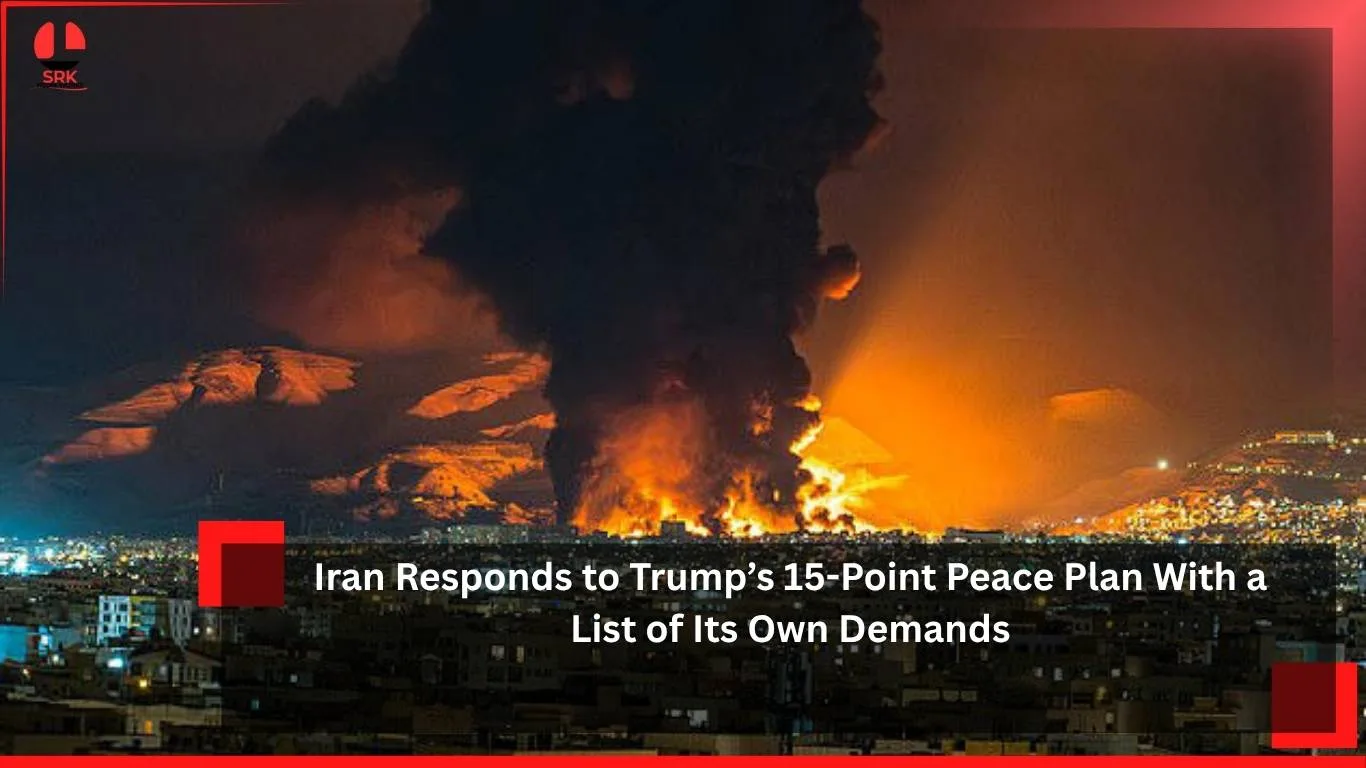
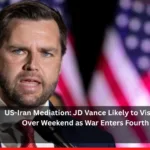

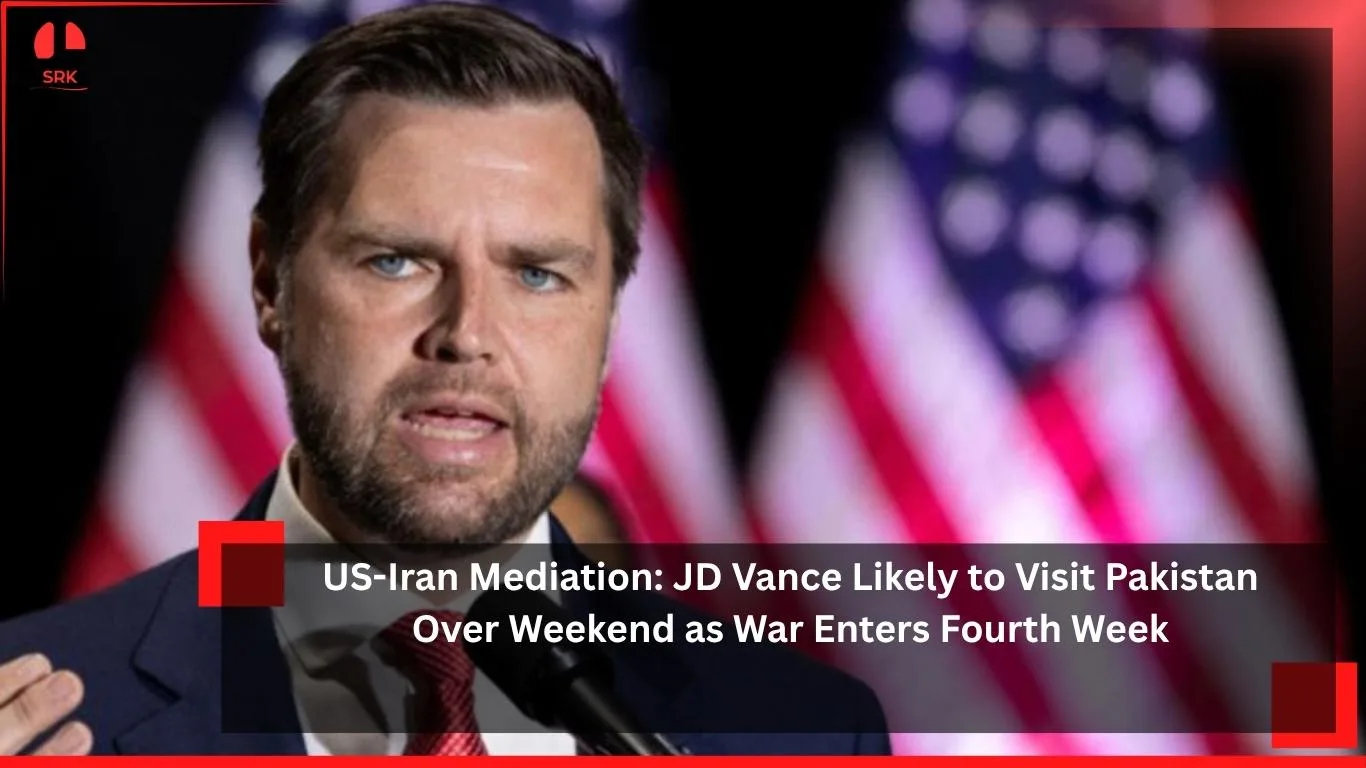
US Vice President JD Vance is expected to travel to Pakistan this weekend as part of a high-stakes diplomatic effort to mediate the ongoing US-Iran conflict, now entering its fourth week. The visit underscores Washington’s reliance on Islamabad as a potential venue for backchannel talks aimed at de-escalation.
Background of the Mediation Effort
- Conflict Timeline: The US-Iran war has stretched into its fourth week, with mounting casualties and regional instability.
- Pakistan’s Role: Islamabad has emerged as a possible host for peace talks, leveraging its ties with both Washington and Tehran.
- Trump Administration Strategy: President Donald Trump is exploring backchannel diplomacy, with JD Vance positioned as the lead negotiator.
- Fluid Details: Reports suggest the timing, venue, and participants of the talks remain under discussion.
Why Pakistan Matters
- Geopolitical Position: Pakistan shares borders with Iran and has historically played a balancing role in regional conflicts.
- Military Influence: Pakistan’s Army Chief Asim Munir has already spoken with President Trump, signaling Islamabad’s willingness to facilitate dialogue.
- Diplomatic Leverage: Pakistan’s ability to engage both Iran and the US makes it a unique mediator in the crisis.
Comparative Analysis of Mediation Options
| Venue | Strategic Value | Challenges | Outlook |
|---|---|---|---|
| Pakistan (Islamabad) | Proximity to Iran, trusted by US | Domestic instability | Most likely |
| Turkey (Ankara) | NATO member, regional influence | Balancing US-Russia ties | Possible alternative |
| Qatar (Doha) | Neutral mediator, past track record | Limited leverage over Iran | Secondary option |
Sector-Wise Impact of Mediation
| Sector | Impact | Outlook |
|---|---|---|
| Diplomacy | Potential breakthrough | Fragile progress |
| Security | Reduced risk of escalation | Dependent on talks |
| Energy Markets | Oil price stabilization | Conditional on ceasefire |
| Trade & Shipping | Safer Gulf routes | Improved global commerce |
| Public Opinion | Hope for peace | Skepticism remains |
Risks and Challenges
- Fragile Trust: Deep mistrust between Washington and Tehran could derail talks.
- Proxy Conflicts: Ongoing clashes in Iraq, Syria, and Yemen complicate negotiations.
- Domestic Politics: Both Trump and Iranian leaders face internal pressures limiting flexibility.
- Regional Polarization: Gulf states may resist concessions to Iran.
Long-Term Implications
- Regional Realignment: Successful mediation could reshape alliances in West Asia.
- Energy Security: Stability in the Strait of Hormuz would benefit global markets.
- Diplomatic Precedent: A deal could set a model for future conflict resolution.
- Global Polarization: Failure could deepen divides between US-led allies and Iran’s partners.
Conclusion
JD Vance’s likely visit to Pakistan for US-Iran mediation highlights the urgency of finding an off-ramp to a conflict that has destabilized the region for nearly a month. While Pakistan offers a strategic venue for talks, the success of this initiative will depend on whether both Washington and Tehran can bridge deep-rooted mistrust and competing interests. The coming weekend could prove pivotal in determining whether diplomacy prevails or the war escalates further.
Disclaimer
This article is intended for informational purposes only and does not constitute diplomatic or strategic advice. The views expressed are based on reported developments as of March 2026. Readers should consider multiple perspectives before forming conclusions about international relations and peace negotiations.