







Security Risks at the Zaporizhzhia Facility
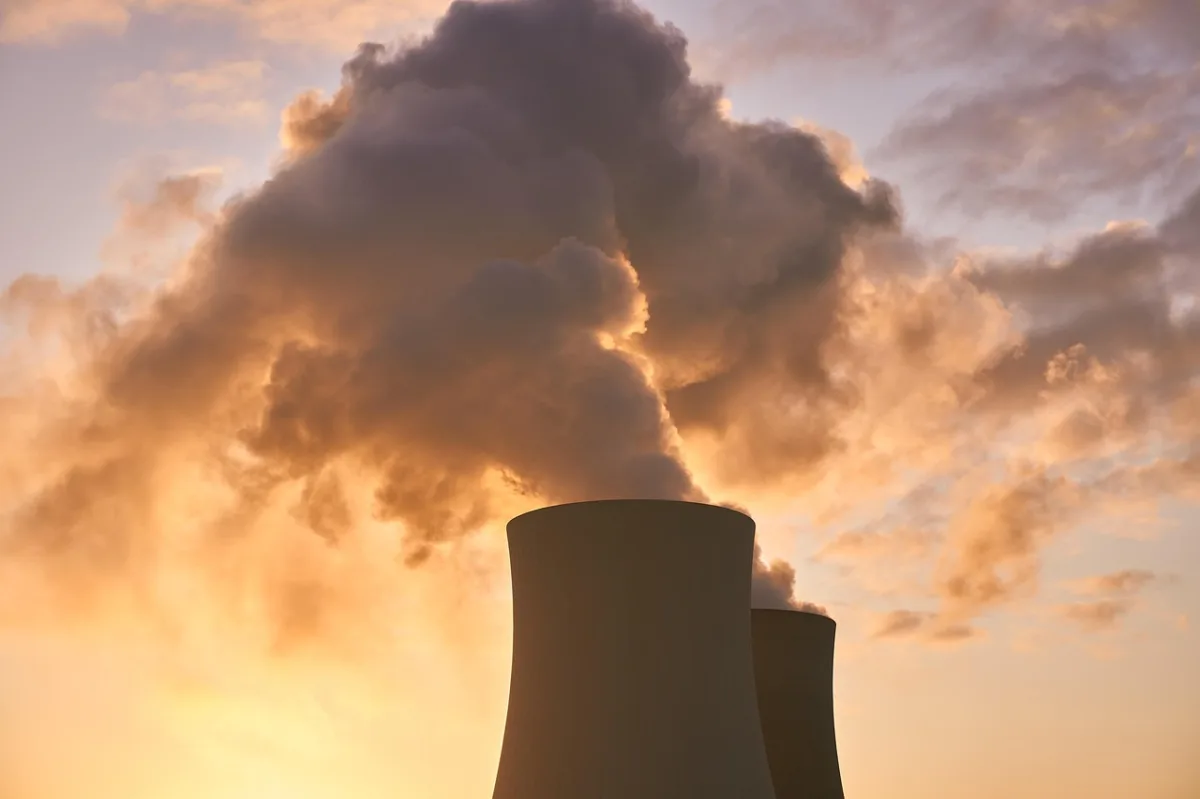
The United States Department of Energy has issued a formal warning to Russia’s state-owned nuclear corporation, Rosatom, demanding that personnel refrain from handling sensitive American-origin nuclear technology currently located at the Zaporizhzhia Nuclear Power Plant in Ukraine. The letter, sent last month, serves as a direct intervention following the Russian occupation of the facility, which remains the largest nuclear power plant in Europe.
U.S. officials are concerned that the presence of proprietary nuclear technical data and equipment could be compromised by Russian forces. The communication highlights the risks of unauthorized access to technology that is subject to strict U.S. export controls and safety protocols.
The Context of the Occupation
Since the early stages of the invasion in 2022, the Zaporizhzhia plant has been under the control of Russian forces, creating a persistent crisis for international nuclear safety monitors. The plant, which utilizes both Soviet-era design and modern Western-supplied components, has been at the center of repeated shelling and power-grid failures.
The U.S. Department of Energy oversees the export of nuclear technology through the National Nuclear Security Administration. This oversight ensures that American nuclear material and intellectual property are used exclusively for peaceful, safe, and authorized energy production.
Technological Vulnerabilities and Safety Protocols
The primary concern for the U.S. government is the potential for reverse engineering or the mishandling of sensitive technical data that could violate non-proliferation agreements. Experts argue that the presence of this technology at a site actively embroiled in a conflict zone creates an unprecedented security dilemma for the International Atomic Energy Agency (IAEA).
According to nuclear policy experts, the integrity of nuclear safety protocols relies on the secure handling of control systems and monitoring software. If these systems were to be tampered with or integrated into Russian operational infrastructure, the safety certification of the plant could be permanently invalidated.
International inspectors have repeatedly warned that the militarization of the plant complicates the maintenance of critical cooling systems. The U.S. warning reinforces the necessity of shielding technical infrastructure from the broader geopolitical conflict.
Industry and Geopolitical Implications
For the global energy sector, this development signals a hardening of the American stance regarding the protection of proprietary nuclear assets in contested regions. It underscores the difficulty of maintaining technical oversight in environments where traditional regulatory access is blocked by military intervention.
Industry analysts suggest that this move could lead to a broader review of where U.S.-licensed nuclear technology is deployed globally. If the security of these components cannot be guaranteed, future export licenses may face significantly stricter scrutiny or outright denial in volatile regions.
Looking ahead, the international community will be watching to see if Russia acknowledges the U.S. directive or attempts to bypass these constraints. Observers are also monitoring whether the IAEA will be granted additional access to verify the safety and integrity of the American-supplied equipment, as further degradation of the plant’s operational safety could lead to a catastrophic failure of the cooling systems.