


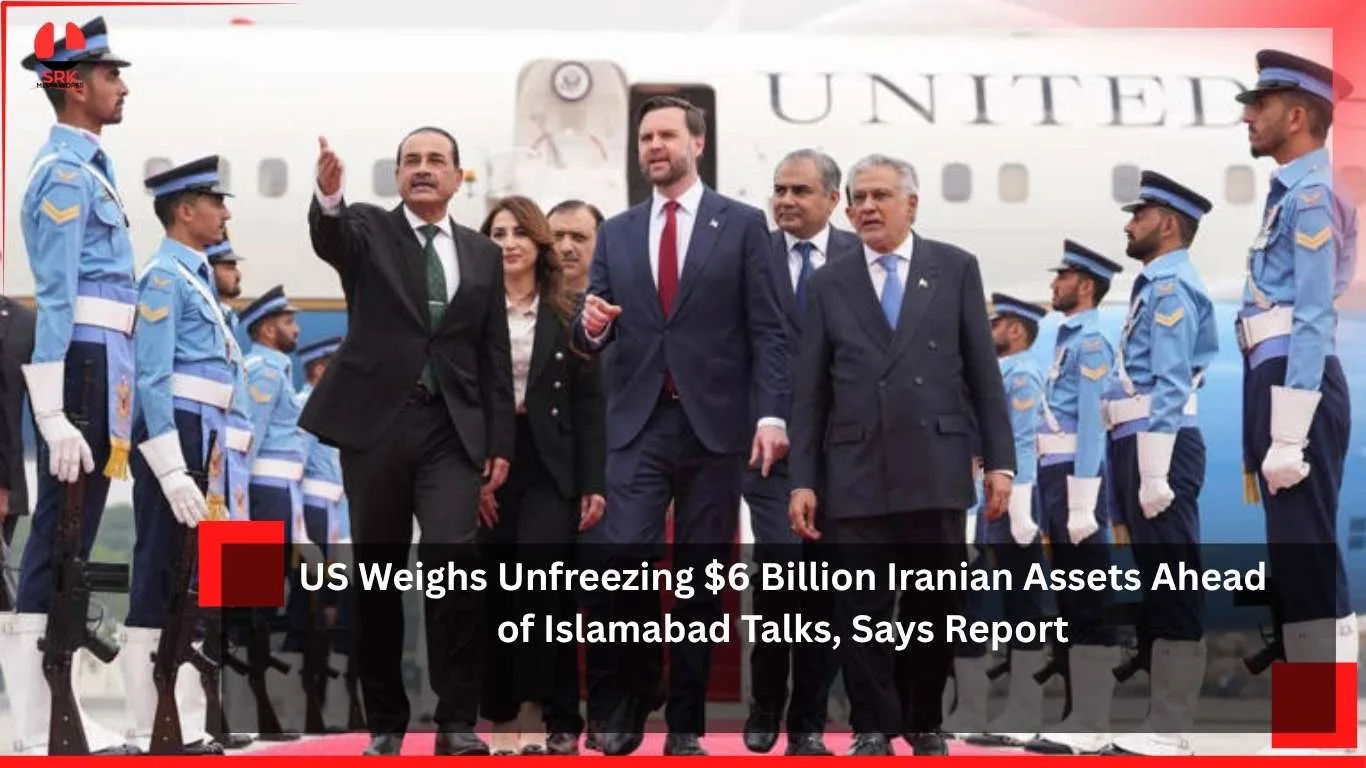
The United States is reportedly considering unfreezing $6 billion worth of Iranian assets as part of a broader diplomatic effort ahead of crucial talks in Islamabad. The move, if confirmed, could mark a significant development in U.S.-Iran relations and reshape the geopolitical landscape of West Asia and South Asia.
The Reported Decision
According to diplomatic sources, Washington is weighing the possibility of releasing frozen Iranian funds currently held abroad. These assets, largely tied to oil revenues, have been restricted due to sanctions. The potential unfreezing is seen as a confidence-building measure ahead of discussions involving Iran, Pakistan, and other regional stakeholders.
Strategic Context
The timing of the reported move is critical. Islamabad is set to host talks that could address regional security, trade, and energy cooperation. The U.S. decision to consider unfreezing assets may be aimed at encouraging Iran’s participation and signaling openness to dialogue.
Iran’s Position
Iran has long demanded access to its frozen assets, arguing that sanctions have crippled its economy and restricted its ability to import essential goods. The release of $6 billion would provide Tehran with much-needed financial relief, potentially easing domestic pressures.
Pakistan’s Role
Pakistan’s hosting of the talks underscores its growing importance as a mediator in regional disputes. By facilitating dialogue between Iran and the U.S., Islamabad seeks to enhance its diplomatic profile and strengthen its role in West Asia’s evolving dynamics.
Comparative Analysis of Stakeholders
| Stakeholder | Position | Potential Gain | Potential Risk |
|---|---|---|---|
| United States | Considering unfreezing assets | Improved dialogue, reduced tensions | Domestic criticism, political backlash |
| Iran | Demands release of funds | Economic relief, diplomatic leverage | Risk of unmet expectations |
| Pakistan | Mediator role | Enhanced diplomatic profile | Pressure from multiple sides |
| Regional Allies | Watching closely | Stability, trade opportunities | Fear of shifting alliances |
This comparison highlights the delicate balance each stakeholder must maintain in the unfolding scenario.
Pivot Analysis: Implications of Asset Release
| Dimension | Current Status | If Assets Unfrozen | Implications |
|---|---|---|---|
| US-Iran Relations | Tense, limited dialogue | Improved atmosphere | Potential for renewed negotiations |
| Iran’s Economy | Strained under sanctions | Partial relief | Increased domestic stability |
| Pakistan’s Diplomacy | Emerging mediator | Strengthened role | Greater global recognition |
| Regional Stability | Fragile | Potential improvement | Reduced tensions, new opportunities |
The pivot analysis shows how unfreezing assets could reshape diplomatic and economic dynamics across the region.
Domestic Reactions in the US
Within the United States, the reported move is likely to spark debate. Supporters may argue that unfreezing assets is a pragmatic step toward reducing tensions, while critics may view it as rewarding Iran without sufficient concessions.
Global Implications
The release of Iranian assets could influence global energy markets, trade flows, and diplomatic alignments. It may also encourage other nations to pursue similar confidence-building measures with Iran.
Possible Outcomes
- Assets Released: Iran gains financial relief, talks in Islamabad proceed with optimism.
- Conditional Release: Funds are unfrozen under strict conditions, ensuring compliance with agreements.
- No Release: Talks proceed without financial concessions, risking limited progress.
- Regional Realignment: Pakistan’s mediation role strengthens, reshaping alliances in West Asia.
Conclusion
The United States’ reported consideration of unfreezing $6 billion in Iranian assets ahead of Islamabad talks reflects a strategic attempt to ease tensions and encourage dialogue. The move carries significant implications for U.S.-Iran relations, Pakistan’s diplomatic role, and regional stability. Whether the assets are ultimately released will depend on the outcomes of negotiations and the broader geopolitical calculus.
Disclaimer: This article is based on reported developments and diplomatic analysis. It does not confirm the authenticity of the decision but explores its potential implications. The content is intended for informational purposes only, highlighting how financial and diplomatic strategies shape international relations. Readers should interpret the situation with caution, as official details remain limited.