

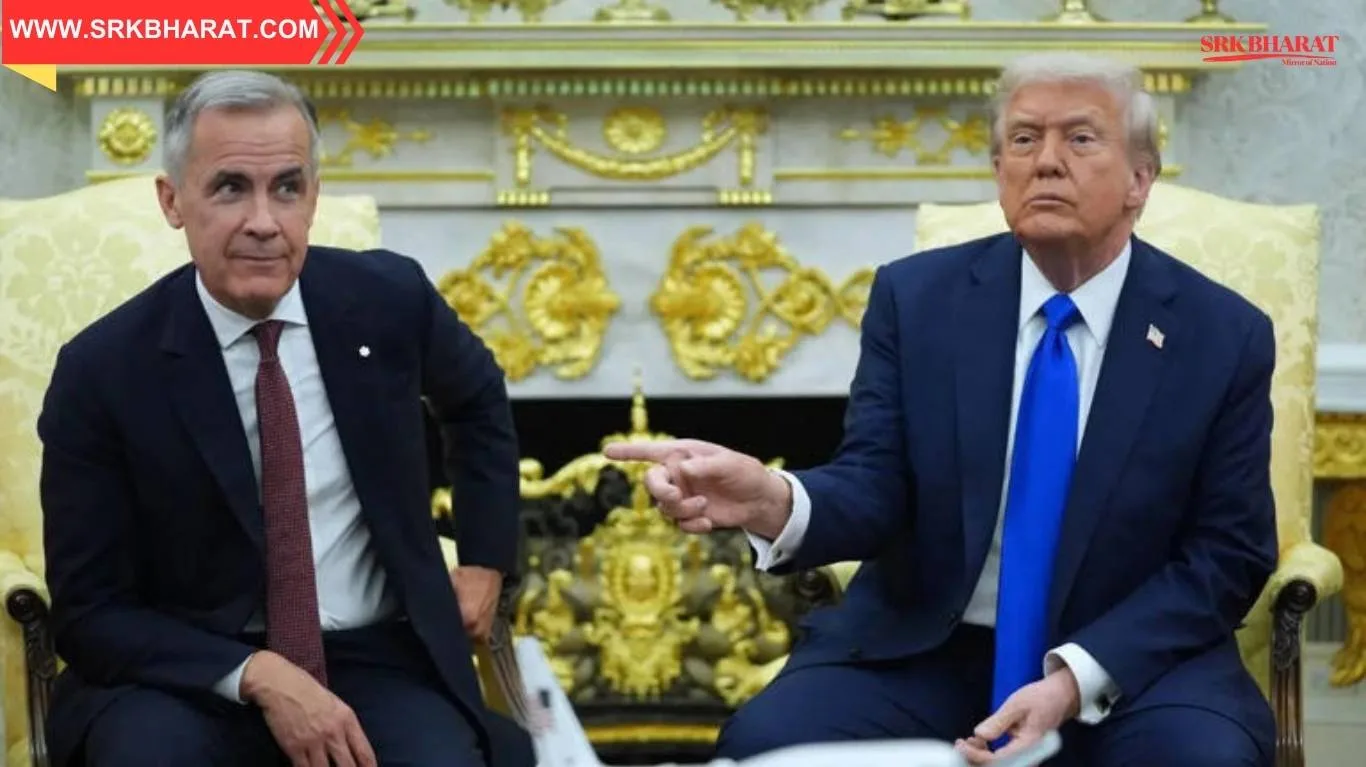
In a dramatic turn of diplomatic events, the United States has withdrawn its invitation to Canada for participation in the newly formed Board of Peace, an initiative spearheaded by President Donald Trump. The move has sparked controversy after Trump reportedly told Canadian representative Mark Carney to “pay or stay out,” highlighting the financial commitments required for membership. The decision has raised questions about the nature of the Board of Peace, its funding model, and the broader implications for US-Canada relations.
Background of the Board of Peace
- The Board of Peace was announced as a global platform to foster dialogue, cooperation, and conflict resolution.
- Membership reportedly requires substantial financial contributions, with figures suggesting commitments in the range of billions of dollars.
- Canada had initially been invited to join, but disagreements over financial obligations led to the withdrawal of the invitation.
- Trump’s blunt message to Carney has intensified debates about whether the initiative prioritizes peace or prestige.
Key Highlights
| Indicator | Details |
|---|---|
| Initiative | Board of Peace |
| US Decision | Invitation withdrawn from Canada |
| Statement | Trump to Carney: “Pay or stay out” |
| Financial Requirement | Estimated $1 billion contribution |
| Broader Impact | Strains US-Canada relations, questions on initiative’s credibility |
Symbolism vs Reality of Board of Peace
| Factor | Symbolism (Board of Peace) | Reality (Financial Demands) | Implication |
|---|---|---|---|
| Global Cooperation | Platform for dialogue | Membership tied to payments | Prestige over principle |
| Canada’s Position | Advocate for peace | Hesitant on financial terms | Exclusion from initiative |
| US Narrative | Leadership in peace | Financial gatekeeping | Criticism of credibility |
| Public Sentiment | Hope for cooperation | Disappointment over exclusion | Mixed reactions |
| Diplomatic Relations | Strengthened ties expected | Strained by financial disputes | Tensions rise |
Why This Story Matters
- Diplomatic Relations: Highlights growing tensions between the US and Canada.
- Global Perception: Raises questions about the credibility of initiatives tied to financial commitments.
- Public Debate: Sparks discussions about whether peace should be monetized.
- Symbolic Irony: A Board of Peace initiative marred by disputes over money.
- Future Outlook: Impacts Canada’s role in global diplomacy and US leadership narratives.
Canada’s Response
- Canadian officials expressed disappointment over the withdrawal of the invitation.
- Mark Carney emphasized that peace initiatives should not be contingent on financial contributions.
- Canada remains committed to global cooperation through other platforms such as the UN and G20.
- The incident has triggered debates within Canada about the country’s diplomatic priorities.
US Position
- The US insists that financial commitments are necessary to sustain the Board of Peace.
- Trump’s direct message to Carney reflects a transactional approach to diplomacy.
- Supporters argue that funding ensures seriousness and accountability among members.
- Critics warn that tying peace to payments undermines the initiative’s credibility.
Expert Opinions
- Diplomats: Stress that peace initiatives should prioritize inclusivity over financial gatekeeping.
- Economists: Note that funding models tied to large contributions risk excluding smaller nations.
- Analysts: Highlight the irony of a peace board embroiled in disputes over money.
- Critics: Warn that the move could weaken global trust in US-led initiatives.
Challenges Ahead
- Credibility: Ensuring the Board of Peace is seen as legitimate and inclusive.
- Diplomatic Relations: Repairing strained ties between the US and Canada.
- Public Trust: Addressing skepticism about monetizing peace.
- Global Participation: Encouraging nations to join despite financial demands.
- Policy Alignment: Balancing prestige with genuine cooperation.
Opportunities for the US
- Reframe Narrative: Emphasize inclusivity and cooperation over financial obligations.
- Diplomatic Engagement: Rebuild trust with Canada and other allies.
- Global Leadership: Position the Board of Peace as a credible platform.
- Funding Alternatives: Explore diverse funding models to ensure inclusivity.
- Public Outreach: Communicate the initiative’s goals clearly to rebuild confidence.
Broader Context of Global Diplomacy
- The incident reflects broader tensions in global diplomacy, where financial commitments often shape participation.
- Canada’s exclusion highlights challenges in balancing inclusivity with funding needs.
- The US faces scrutiny over whether its leadership in peace initiatives is genuine or transactional.
- The controversy underscores the complexities of building global platforms in a polarized world.
Sectoral Breakdown of Impact
| Sector | Impact | Strategic Importance |
|---|---|---|
| Diplomacy | Strained US-Canada ties | Global cooperation |
| Economy | Financial commitments | Funding sustainability |
| Public Sentiment | Mixed reactions | Trust in initiatives |
| Governance | Questions on credibility | Policy alignment |
| Global Cooperation | Exclusion of Canada | Inclusivity challenges |
Media Coverage
- Headlines emphasize Trump’s blunt message to Carney.
- Analysts debate whether the Board of Peace is credible or symbolic.
- Coverage highlights Canada’s disappointment and US insistence on financial commitments.
- The story continues to dominate discussions in diplomatic and political circles.
Conclusion
The withdrawal of Canada’s invitation to the Board of Peace and Trump’s message to Carney — “pay or stay out” — highlight the contradictions in global diplomacy. While the initiative was intended to foster cooperation, disputes over financial commitments have overshadowed its credibility. For the US, the challenge lies in balancing prestige with inclusivity, while Canada must navigate its role in global diplomacy amid exclusion. The incident underscores the irony of a peace initiative embroiled in financial disputes, raising questions about the future of international cooperation.
Disclaimer
This article is intended for informational purposes only and does not constitute diplomatic or financial advice. Statements, policy decisions, and international relations are subject to change based on evolving circumstances. Readers are encouraged to follow official updates for accurate information. The author and publisher are not responsible for any decisions made based on this article.