




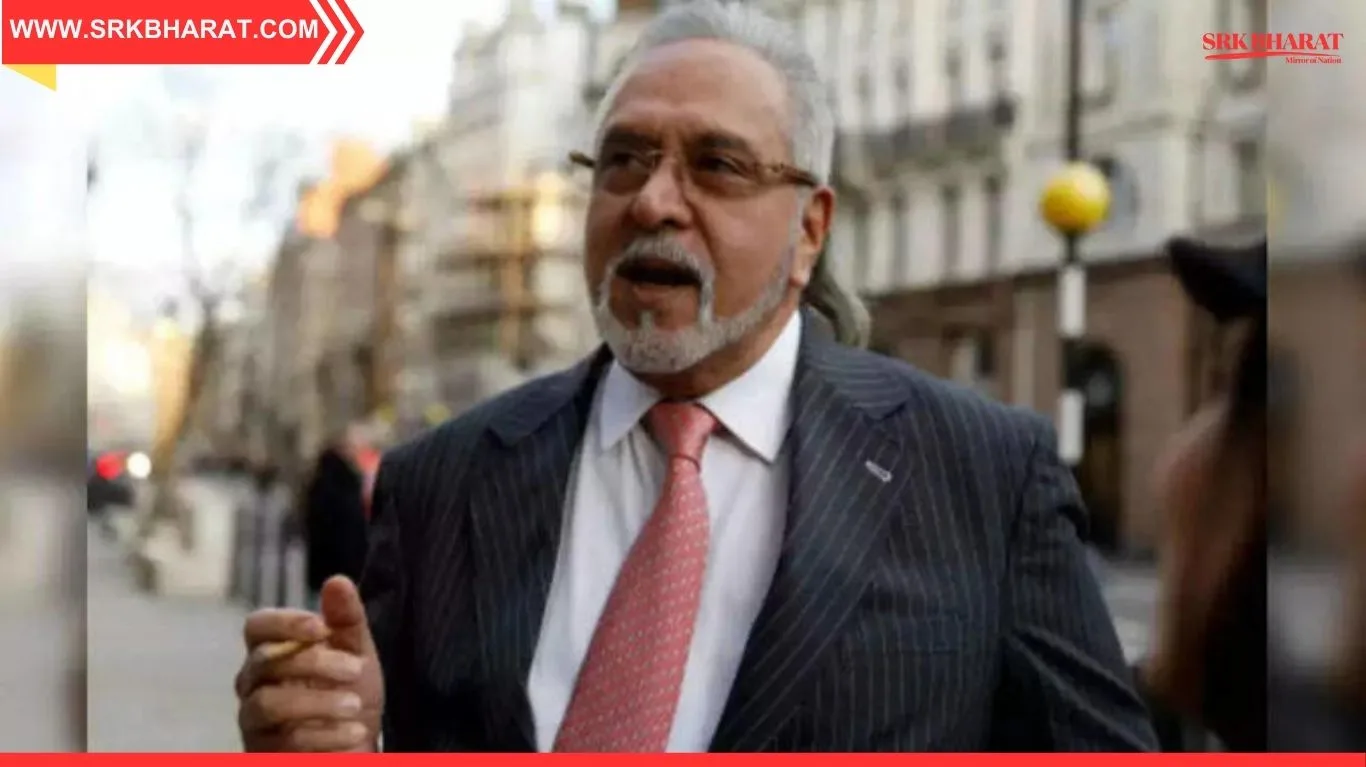
Fugitive businessman Vijay Mallya, accused of defaulting on loans worth over ₹9,000 crore linked to Kingfisher Airlines, has reacted sharply to the Supreme Court’s decision to allow the Sandesara family a $570 million one-time settlement (OTS) in their $1.6 billion bank fraud case. Mallya questioned why other economic offenders are treated differently, raising concerns about fairness and consistency in India’s handling of high-profile financial frauds.
The Sandesara Case
The Sandesara brothers, Nitin and Chetan, fled India in 2017 after being accused of defrauding banks of loans worth $1.6 billion. Their companies operated in pharmaceuticals and energy sectors.
- Settlement Terms: The Supreme Court agreed to drop criminal charges if they paid $570 million, roughly one-third of the dues.
- Global Presence: The family has been thriving in Nigeria, with significant oil business interests.
- Legal Representation: Senior lawyer Mukul Rohatgi confirmed their willingness to pay the settlement, with a deadline set for December 17, 2025.
Vijay Mallya’s Reaction
Mallya responded to journalist Sucheta Dalal’s post highlighting the settlement. Dalal expressed disbelief, noting that the Sandesaras would pay only one-third of their dues. Mallya replied with a pointed remark:
- Quote: “Fair question – thank you.”
- Implication: Mallya suggested that his case has been treated more harshly compared to others, despite similarities in allegations of bank fraud.
- Context: Mallya has long argued that he was unfairly targeted and denied opportunities for settlement.
Comparing Mallya vs Sandesara Cases
| Aspect | Vijay Mallya | Sandesara Family |
|---|---|---|
| Alleged Fraud | ₹9,000 crore (Kingfisher Airlines loans) | $1.6 billion (pharma & energy loans) |
| Year of Flight | 2016 | 2017 |
| Current Location | UK | Nigeria, Albania |
| Legal Status | Facing extradition, criminal charges | SC allowed $570M settlement, charges dropped if paid |
| Reaction | Claims unfair treatment | Agreed to settlement |
Why Mallya’s Reaction Matters
- Public Perception: Raises questions about consistency in handling economic offenders.
- Legal Precedent: Could encourage other fugitives to seek settlements.
- Political Debate: Opposition parties may use this to highlight alleged bias in enforcement.
- Investor Confidence: Unequal treatment could impact trust in India’s financial system.
Key Differences in Treatment
| Factor | Mallya | Sandesara |
|---|---|---|
| Settlement Opportunity | Denied | Approved |
| Criminal Charges | Active | Dropped upon payment |
| Media Coverage | Intense scrutiny | Comparatively lower |
| Government Stance | Aggressive pursuit | Negotiated settlement |
| Public Reaction | Criticism of leniency | Debate over fairness |
Expert Opinions
- Legal Analysts: Warn that allowing settlements may weaken deterrence against fraud.
- Economists: Stress that recovering dues is important, but consistency is key.
- Political Commentators: Suggest Mallya’s reaction could reignite debates on selective justice.
- Banking Experts: Highlight risks of setting precedents that encourage defaults.
Public Sentiment
- Citizens: Many express frustration over perceived double standards.
- Social Media: Mallya’s “Fair question” comment went viral, sparking debates.
- Opposition Leaders: Likely to question government’s approach to economic offenders.
- Business Community: Concerned about implications for corporate governance.
Future Outlook
- Legal Landscape: Other fugitives may seek similar settlements.
- Policy Debate: Calls for uniform guidelines in handling financial fraud cases.
- Mallya’s Case: His extradition battle in the UK continues, but his remarks may influence public discourse.
- Banking Sector: Pressure to strengthen due diligence and recovery mechanisms.
Conclusion
The Sandesara family’s $570 million OTS approval by the Supreme Court has triggered a sharp reaction from Vijay Mallya, who questioned why his case was treated differently. His remark, “Fair question – thank you,” underscores the growing debate about fairness, consistency, and accountability in India’s handling of economic offenders.
As India grapples with high-profile financial frauds, the contrasting treatment of Mallya and the Sandesaras raises critical questions about justice, deterrence, and the credibility of financial governance.
Disclaimer: This article is based on publicly available news reports, expert commentary, and judicial updates. Readers are advised to follow official court documents and government releases for verified details.