




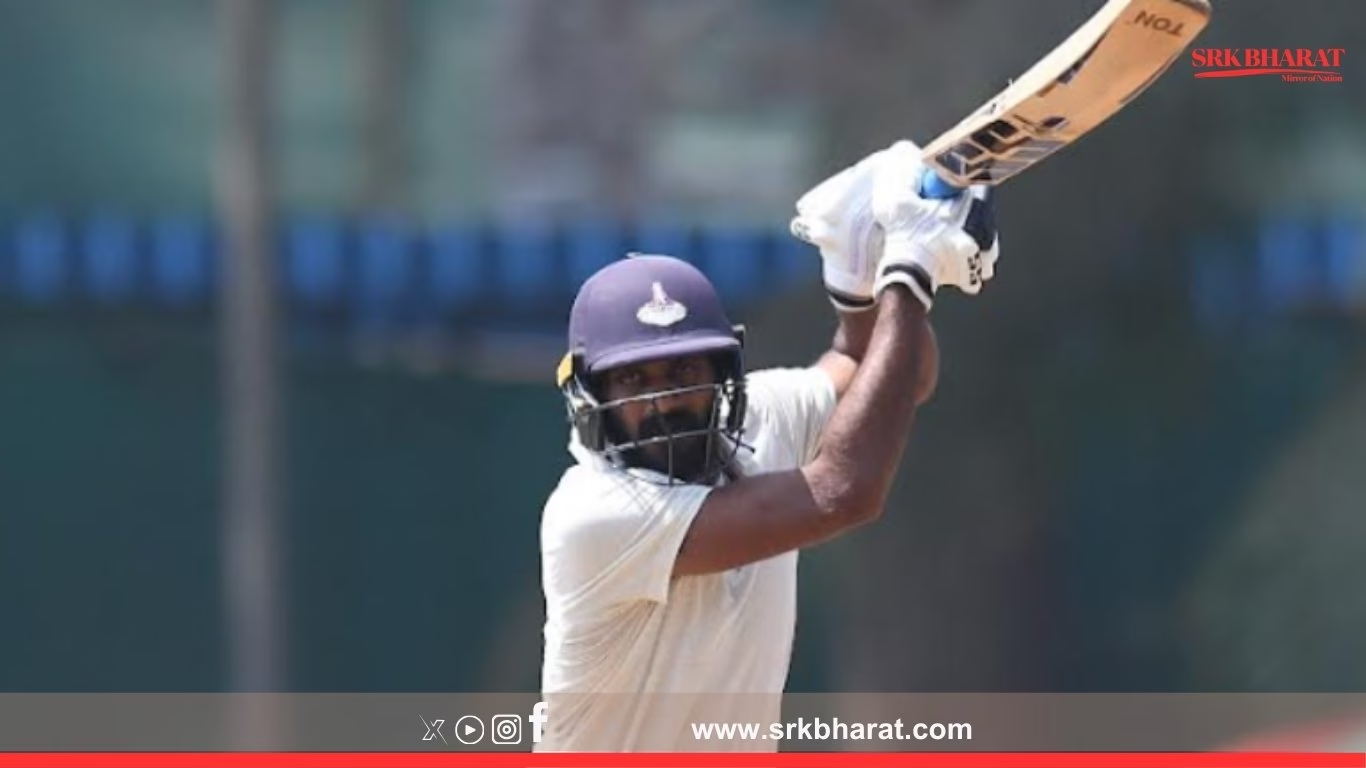
In a major development in Indian domestic cricket, Vijay Shankar, the seasoned all-rounder who has been an integral part of the Tamil Nadu cricket team, is all set to switch states and represent Tripura. The move marks a fresh chapter in the career of the cricketer, who has also donned the Indian jersey at the international level. Shankar’s decision comes at a time when domestic cricket is witnessing a series of notable transfers, with experienced players seeking new challenges and opportunities outside their home states.
Vijay Shankar: A Vital Cog in Tamil Nadu Cricket
Vijay Shankar has been a consistent performer for Tamil Nadu in the Ranji Trophy, Vijay Hazare Trophy, and Syed Mushtaq Ali Trophy. Known for his balanced role as a dependable middle-order batsman and a medium-pace bowler, he has played several match-winning knocks and contributed with crucial breakthroughs.
- He was part of Tamil Nadu’s limited-overs domestic success, including their victorious campaigns in the Syed Mushtaq Ali Trophy.
- With his ability to adapt to pressure, Shankar also made it to the Indian cricket team, featuring in ODIs and T20Is, including the 2019 ICC World Cup squad.
- Beyond statistics, he has often been seen as a mentor to younger players in Tamil Nadu cricket.
Yet, despite his contributions, a change in environment now seems to be the chosen path for the 33-year-old.
Why the Move to Tripura?
Several factors appear to have influenced Vijay Shankar’s decision to leave Tamil Nadu and join Tripura:
- Search for Leadership Role: Tripura, a smaller cricketing state, values the addition of an experienced campaigner who can provide both performance and guidance.
- Fresh Start: After years with Tamil Nadu, a move allows Shankar to explore new challenges in his career.
- Demand for Experience: Tripura has been keen to strengthen its team by roping in established players, and Shankar’s inclusion will boost their Ranji Trophy and white-ball campaigns.
- Trend of Player Transfers: With Hanuma Vihari already making the move from Andhra to Tripura, Shankar’s decision reflects the growing trend of seasoned cricketers shifting teams to ensure greater recognition.
Impact on Tamil Nadu and Tripura
The move is significant for both cricketing states.
| Team | Impact of Shankar’s Move | Opportunities Created |
|---|---|---|
| Tamil Nadu | Loss of an experienced all-rounder, reduction in middle-order depth | Young all-rounders may get more chances, leadership mantle shifts |
| Tripura | Huge gain with batting stability and medium-pace option | Leadership, mentorship, and improved chances in domestic tournaments |
For Tamil Nadu, which has traditionally been one of the stronger teams in Indian domestic cricket, the absence of Shankar leaves a noticeable gap. For Tripura, however, it signals a new era of competitiveness.
The Bigger Picture: Domestic Cricket Transfers on the Rise
The last few years have seen several big names move across state lines in Indian domestic cricket.
| Cricketer | From | To | Key Reason |
|---|---|---|---|
| Ambati Rayudu | Hyderabad | Andhra | Fresh start, better role |
| Robin Uthappa | Karnataka | Kerala, later Saurashtra | Limited opportunities in home state |
| Hanuma Vihari | Andhra | Tripura | Lack of respect, need for recognition |
| Vijay Shankar | Tamil Nadu | Tripura | Leadership role, new challenge |
These moves highlight that Indian domestic cricket is no longer rigidly tied to state loyalties, but rather about where a player can best maximize opportunities.
Why Tripura Is Emerging as a New Destination
Tripura’s growing ambition in cricket is evident in its recruitment of experienced players. By offering leadership roles and respect to senior cricketers, the state is attempting to reshape its cricketing identity.
- Boost to Dressing Room Culture: Experienced players like Shankar bring professionalism, which helps younger talents.
- Performance in Ranji Trophy: With a stronger squad, Tripura can aim for improved performances.
- National Selector Attention: Big-name players naturally draw more attention, giving the team a higher profile.
Fans and Cricketing Community React
The news of Shankar’s shift has drawn widespread attention on social media.
- Tamil Nadu Fans: While proud of his contributions, some fans expressed disappointment at losing a senior player.
- Tripura Fans: Enthusiasm is high, with many calling it a turning point for their team’s cricketing journey.
- Cricket Analysts: Experts believe the move may extend Shankar’s domestic career and give Tripura the edge they’ve long lacked.
Challenges Ahead for Shankar
While the move promises fresh opportunities, it also comes with challenges:
- Adapting to New Environment: Different pitches, teammates, and cricketing culture may take time to adjust.
- Balancing Expectations: As a senior player, he will be expected to deliver consistently.
- Maintaining Fitness and Form: At this stage of his career, performance remains the ultimate key to success.
Contribution Beyond the Field
Vijay Shankar’s move to Tripura is not only about runs and wickets—it’s about shaping the team culture. His ability to mentor younger players could be as valuable as his on-field exploits.
- Young cricketers in Tripura will now have the chance to learn from someone with international experience.
- Leadership inputs could help Tripura develop a more competitive strategy in domestic tournaments.
Conclusion
Vijay Shankar’s decision to leave Tamil Nadu and join Tripura marks one of the most significant transfers in recent domestic cricket. For Tamil Nadu, it is the departure of a loyal servant of the game; for Tripura, it is the dawn of a new era with an international-level cricketer adding strength to their squad.
Much like Hanuma Vihari’s move, Shankar’s switch underlines the importance of respect, recognition, and leadership opportunities in shaping a cricketer’s choices. As domestic cricket continues to evolve, such moves will not only impact individual careers but also reshape the balance of power among state teams.
Disclaimer: This article is based on cricketing updates, player moves, and general developments in domestic cricket. It is intended for informational purposes and does not aim to criticize any association or player.