
The political atmosphere in Parliament has once again turned tense as the Congress party accused Prime Minister Narendra Modi of violating House rules by not replying to critical questions during sessions. In a formal communication to Lok Sabha Speaker Om Birla, Congress leaders raised concerns over what they described as a breach of parliamentary traditions and accountability. The issue has sparked debates about the role of the Prime Minister in ensuring transparency and responsiveness within the democratic framework.
Congress’ Allegation
Congress leaders argued that the Prime Minister’s silence on pressing national issues amounts to a violation of parliamentary norms. They emphasized that the Prime Minister, as the head of government, is duty-bound to respond to questions raised by Members of Parliament (MPs). According to Congress, the absence of replies undermines the sanctity of the House and weakens democratic accountability.
Key points raised by Congress:
- Violation of Rules: PM Modi’s silence seen as a breach of House procedures.
- Accountability Concerns: Parliament requires direct answers from the Prime Minister.
- Transparency Issues: Lack of replies creates opacity in governance.
- Public Trust: Citizens expect their representatives to receive clear answers.
Om Birla’s Role as Speaker
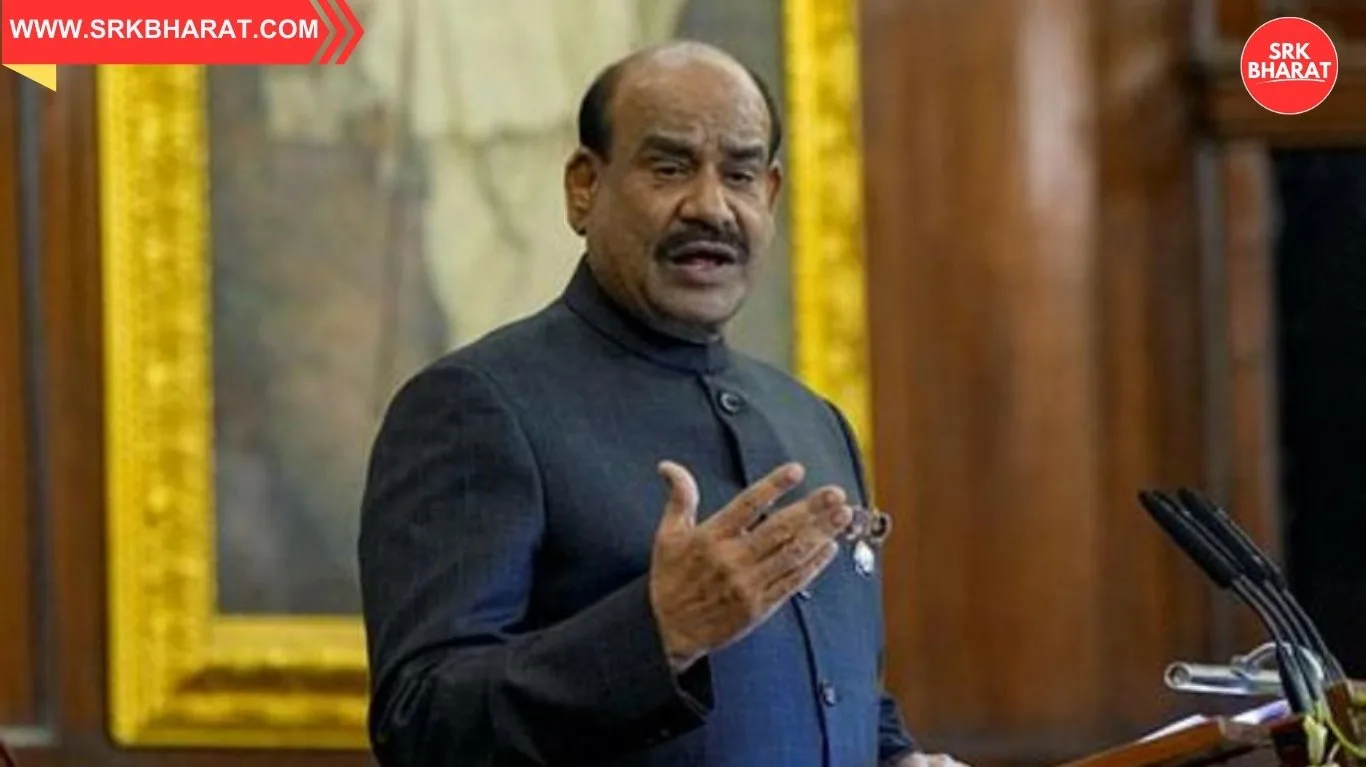
Lok Sabha Speaker Om Birla has been urged to intervene and ensure that parliamentary rules are upheld. Congress has demanded that the Speaker remind the Prime Minister of his responsibility to respond to questions raised in the House. The Speaker’s role is crucial in maintaining order, fairness, and adherence to parliamentary procedures.
| Role of Speaker | Responsibility | Impact on Current Issue |
|---|---|---|
| Upholding Rules | Ensure MPs follow procedures | Address violation claims |
| Neutral Arbiter | Maintain fairness | Balance between ruling party and opposition |
| Accountability | Remind government of duties | Reinforce PM’s responsibility |
| Public Trust | Protect democratic values | Restore confidence in Parliament |
Historical Context
The issue of Prime Ministers not replying directly in Parliament is not new. Previous governments have also faced criticism for avoiding direct answers. However, Congress argues that the scale and frequency of PM Modi’s silence is unprecedented, making it a serious concern for parliamentary democracy.
| Prime Minister | Approach to Parliament Questions | Public Perception |
|---|---|---|
| Jawaharlal Nehru | Frequently engaged in debates | Positive, participatory |
| Indira Gandhi | Selective replies, strong control | Mixed reactions |
| Manmohan Singh | Soft-spoken, often replied | Seen as accountable |
| Narendra Modi | Rarely responds directly | Criticized by opposition |
Analysis of the Issue
| Factor | Traditional Challenge | Current Scenario (2026) | Outcome Expected |
|---|---|---|---|
| Parliamentary Rules | Ensuring accountability | PM accused of silence | Speaker intervention |
| Opposition Role | Demand transparency | Congress raising violation claims | Political pressure |
| Government Image | Protecting credibility | Criticism over lack of replies | Reputational risk |
| Public Trust | Citizens expect answers | Silence creates distrust | Need for clarity |
| Democratic Values | Rule of law in Parliament | Alleged breach of norms | Debate on reforms |
Political Reactions
The opposition has rallied behind Congress’ demand, with several parties echoing concerns about the Prime Minister’s silence. Ruling party members, however, dismissed the allegations, arguing that ministers regularly respond on behalf of the government. This has led to heated exchanges in Parliament, with both sides accusing each other of undermining democratic traditions.
Impact on Governance
The controversy has broader implications for governance and public perception. A Prime Minister’s direct engagement in Parliament is often seen as a measure of accountability. The absence of replies could affect the credibility of the government and fuel opposition narratives about lack of transparency.
Key governance impacts:
- Reduced Accountability: Opposition claims government avoids scrutiny.
- Public Distrust: Citizens may feel disconnected from decision-making.
- Political Polarization: Intensifies rivalry between ruling party and opposition.
- Institutional Strain: Challenges Speaker’s ability to maintain order.
Public Sentiment
Public opinion on the issue remains divided. Supporters of the ruling party argue that ministers’ replies are sufficient, while critics insist that the Prime Minister must personally address key questions. Social media platforms have amplified the debate, with hashtags trending around parliamentary accountability and democratic values.
Future Outlook
The issue is expected to remain a flashpoint in Parliament. Congress has signaled that it will continue pressing for accountability, while the ruling party is likely to defend its practices. The Speaker’s response will be crucial in determining whether reforms or stricter enforcement of rules are introduced.
Key areas to watch:
- Speaker Om Birla’s decision on Congress’ complaint.
- Government’s approach to future parliamentary sessions.
- Opposition’s strategy to escalate the issue.
- Public reaction and media coverage.
Conclusion
The Congress party’s accusation of a violation of House rules due to PM Modi’s silence has reignited debates about accountability and transparency in Parliament. By urging Speaker Om Birla to intervene, Congress has placed the spotlight on the Prime Minister’s role in upholding democratic traditions. The controversy underscores the importance of direct engagement in Parliament and raises critical questions about governance, public trust, and the future of India’s democratic institutions.
Disclaimer
This article is intended for informational and analytical purposes only. It is based on publicly available political updates and general parliamentary practices. It does not constitute legal advice, political endorsement, or investment recommendations. Readers are encouraged to verify facts independently and follow official parliamentary releases for accurate information.