




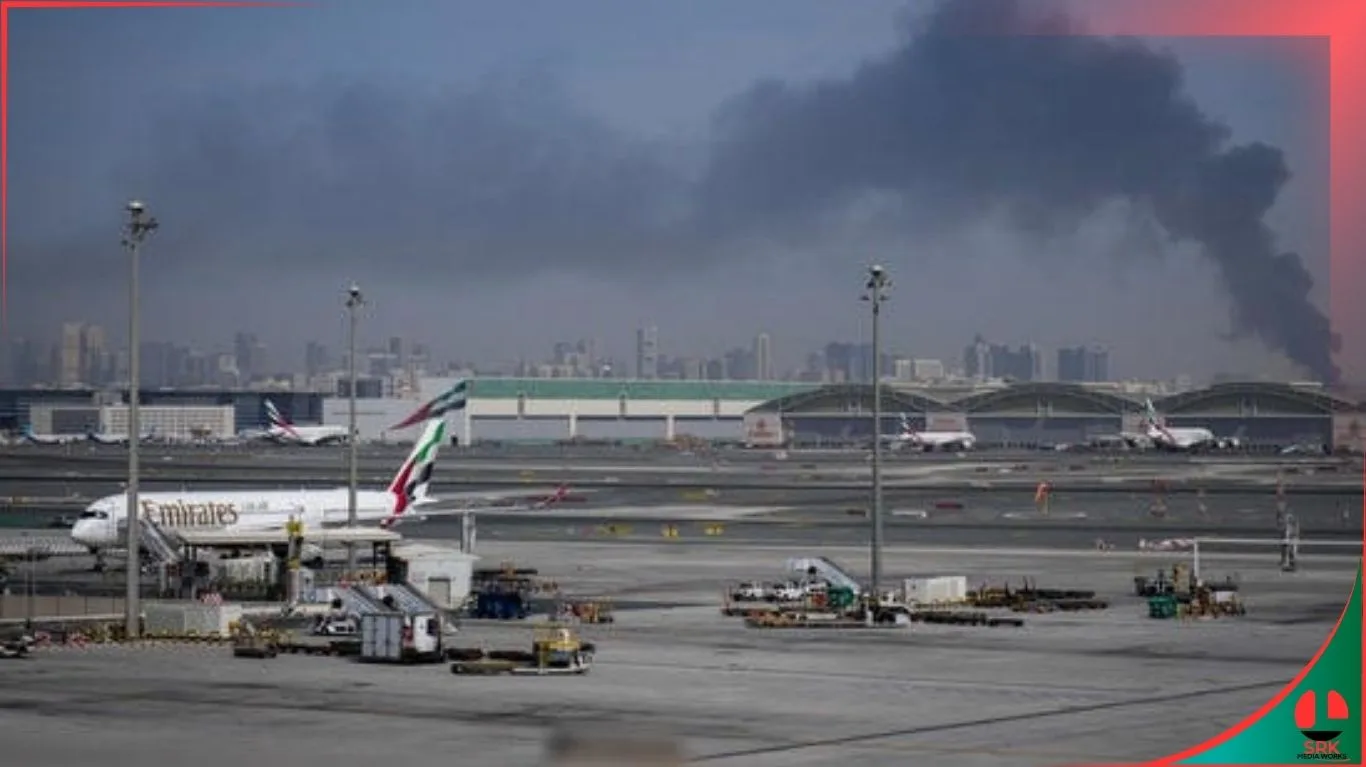
The aviation industry is facing unprecedented challenges as airspace closures across West Asia and parts of Europe have made westbound flights from India increasingly complicated. Former Jet Airways CEO Vinay Dube described the situation as “extremely difficult now,” highlighting the operational and financial strain airlines are experiencing.
Background of the Crisis
The closure of multiple airspaces due to escalating geopolitical tensions in the Middle East has forced airlines to reroute flights. This has led to:
- Longer flight times for routes to Europe and North America.
- Increased fuel consumption, raising operational costs.
- Passenger inconvenience, with delays and cancellations becoming frequent.
Impact on Indian Airlines
Indian carriers such as Air India, IndiGo, and Vistara have been directly affected.
- Air India: Long-haul flights to London, Frankfurt, and New York now require detours, adding up to 90 minutes of extra flying time.
- IndiGo: Expansion plans for Europe have slowed due to operational uncertainty.
- Vistara: Facing challenges in maintaining schedules for westbound destinations.
Comparative Analysis of Flight Routes
| Route | Normal Duration | Current Duration (with detours) | Extra Cost Impact |
|---|---|---|---|
| Delhi – London | 9 hrs | 10.5 hrs | +15% fuel cost |
| Mumbai – Frankfurt | 8.5 hrs | 10 hrs | +12% fuel cost |
| Bengaluru – New York | 16 hrs | 18 hrs | +20% fuel cost |
Ex-Jet Airways CEO’s Concerns
Vinay Dube emphasized:
- Operational Strain: Airlines are struggling to maintain profitability with rising costs.
- Passenger Experience: Longer flights and delays are eroding customer satisfaction.
- Industry Stability: Smaller carriers may find it difficult to sustain international operations.
Global Aviation Impact
The crisis is not limited to India. Airlines worldwide are facing similar challenges:
- European Carriers: Lufthansa and British Airways have rerouted flights, increasing costs.
- Middle Eastern Airlines: Emirates and Qatar Airways are heavily impacted due to proximity to conflict zones.
- North American Airlines: United and Delta have adjusted schedules, affecting transatlantic connectivity.
Lessons for the Aviation Industry
- Diversification of Routes: Airlines must explore alternative corridors to reduce dependency on volatile regions.
- Fuel Efficiency: Investing in newer aircraft with better fuel economy can mitigate rising costs.
- Passenger Communication: Transparency about delays and rerouting is essential to maintain trust.
- Government Support: Policy interventions may be required to stabilize the industry.
Conclusion
Westbound flights from India have become “extremely difficult” due to airspace closures, creating ripple effects across the global aviation industry. With longer routes, higher costs, and passenger dissatisfaction, airlines face a tough road ahead. Vinay Dube’s warning underscores the urgent need for strategic planning, government support, and industry resilience to navigate this turbulent period.
Disclaimer
This article is based on publicly available information and aims to highlight the challenges faced by Indian and global airlines due to airspace closures. It does not intend to criticize or demean any individual, airline, or organization. The content is for informational and educational purposes only, reflecting broader issues in aviation and global travel.