

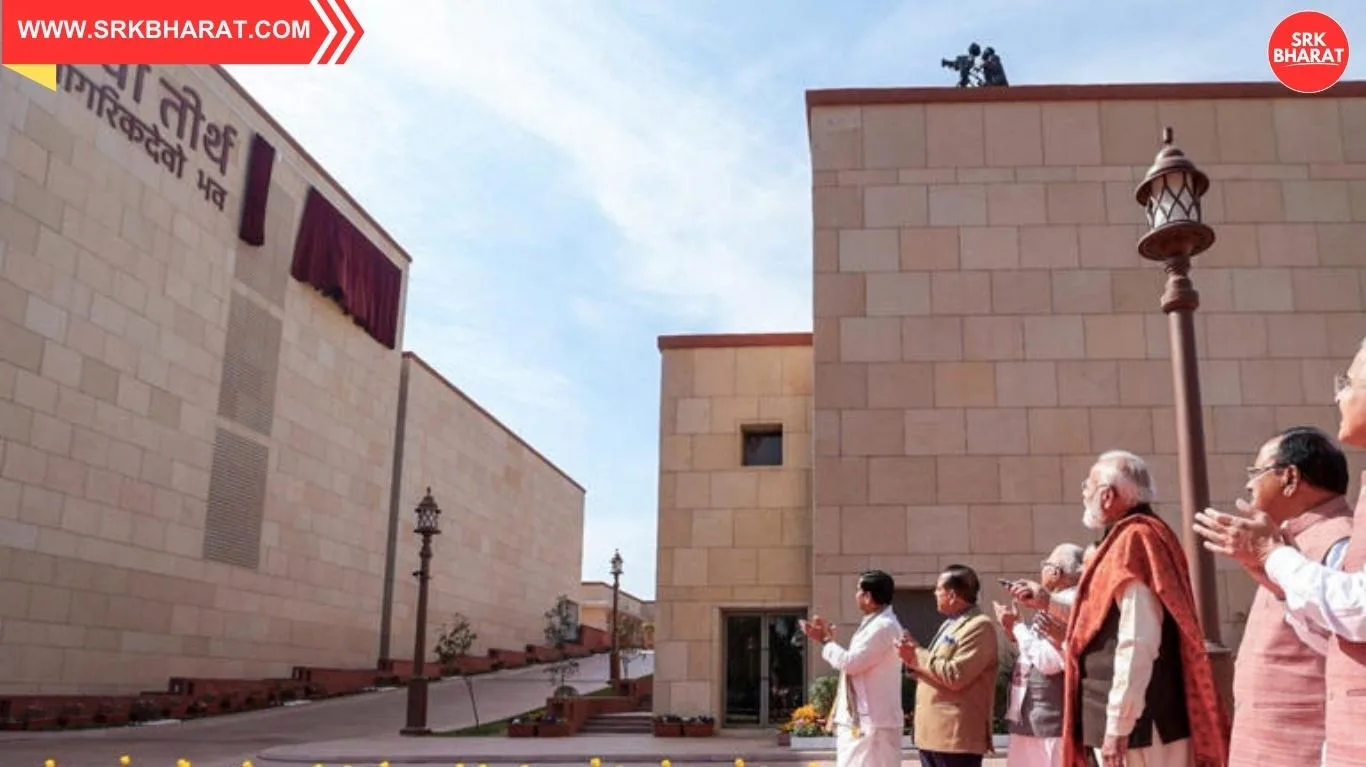
The announcement of a new Prime Minister’s Office (PMO) building has sparked debate across India’s political and intellectual circles. While the government has framed the project as a step toward modernization and efficiency, critics argue that it does not necessarily signal the end of the ‘imperial’ mindset embedded in India’s administrative structures. The discussion reflects deeper questions about governance, symbolism, and the relationship between power and public perception.
Key Highlights
- New PMO Building: Proposed as part of India’s modernization of administrative infrastructure.
- Critics’ View: Concerns that the project reinforces rather than dismantles imperial traditions.
- Symbolism of Power: Architecture seen as a reflection of authority and hierarchy.
- Governance Debate: Questions about whether physical changes translate into cultural reforms.
- Public Sentiment: Mixed reactions, with some welcoming modernization and others skeptical.
Why the Debate Matters
- Historical Legacy: India’s administrative structures have roots in colonial governance.
- Symbolism of Architecture: Buildings often represent authority, hierarchy, and distance from citizens.
- Governance Culture: Critics argue that true reform lies in changing attitudes, not just infrastructure.
- Public Trust: Citizens expect transparency and accessibility, not just grand structures.
Comparative Analysis: Administrative Buildings and Symbolism
| Country/Region | New Administrative Building | Symbolism | Public Perception |
|---|---|---|---|
| India (New PMO) | Modernized structure | Seen as continuity of power | Mixed reactions |
| UK (Whitehall) | Historic offices | Tradition and authority | Respect with criticism |
| US (White House) | Iconic executive building | Symbol of democracy and power | Widely recognized |
| France (Élysée Palace) | Historic presidential office | Authority and heritage | Symbol of continuity |
This comparison shows how administrative buildings worldwide often carry symbolic weight, shaping perceptions of governance.
Pivot Analysis: Stakeholder Perspectives
| Stakeholder | Position on New PMO Building | Impact |
|---|---|---|
| Government | Positive | Frames project as modernization |
| Opposition Parties | Critical | Argue it reflects imperial mindset |
| Citizens | Divided | Some welcome efficiency, others skeptical |
| Analysts | Watchful | Assessing cultural vs structural change |
| Architects | Neutral/Supportive | Focus on design and functionality |
The pivot analysis highlights how reactions vary, with government emphasizing modernization and critics focusing on symbolism.
Benefits of New PMO Building
- Modern Infrastructure: Updated facilities for administration.
- Efficiency: Streamlined operations and better technology integration.
- Global Image: Reflects India’s rise as a modern power.
- Security: Enhanced safety features for leadership.
Challenges and Criticism
- Imperial Symbolism: Critics argue it reinforces hierarchical governance.
- Public Accessibility: Concerns about distance between citizens and leadership.
- Cultural Continuity: Physical changes may not alter bureaucratic attitudes.
- Resource Allocation: Questions about spending priorities amid social needs.
Broader Context
- Colonial Legacy: India’s administrative culture shaped by British rule.
- Governance Reform: True change requires transparency, accountability, and citizen engagement.
- Global Trends: Nations modernize infrastructure but struggle with cultural reform.
- Public Expectations: Citizens demand accessibility, not just architectural grandeur.
Conclusion
The construction of a new PMO building represents modernization in India’s administrative infrastructure but does not necessarily signal an end to the ‘imperial’ mindset. While the government frames it as progress, critics argue that true reform lies in changing governance culture, attitudes, and citizen engagement. The debate underscores how architecture and symbolism remain deeply intertwined with perceptions of power and democracy.
Disclaimer
This article is intended for informational purposes only. It provides an overview of the debate surrounding India’s new PMO building and its implications for governance culture. It does not constitute political advice or endorsement. Readers should rely on official communications for verified updates.