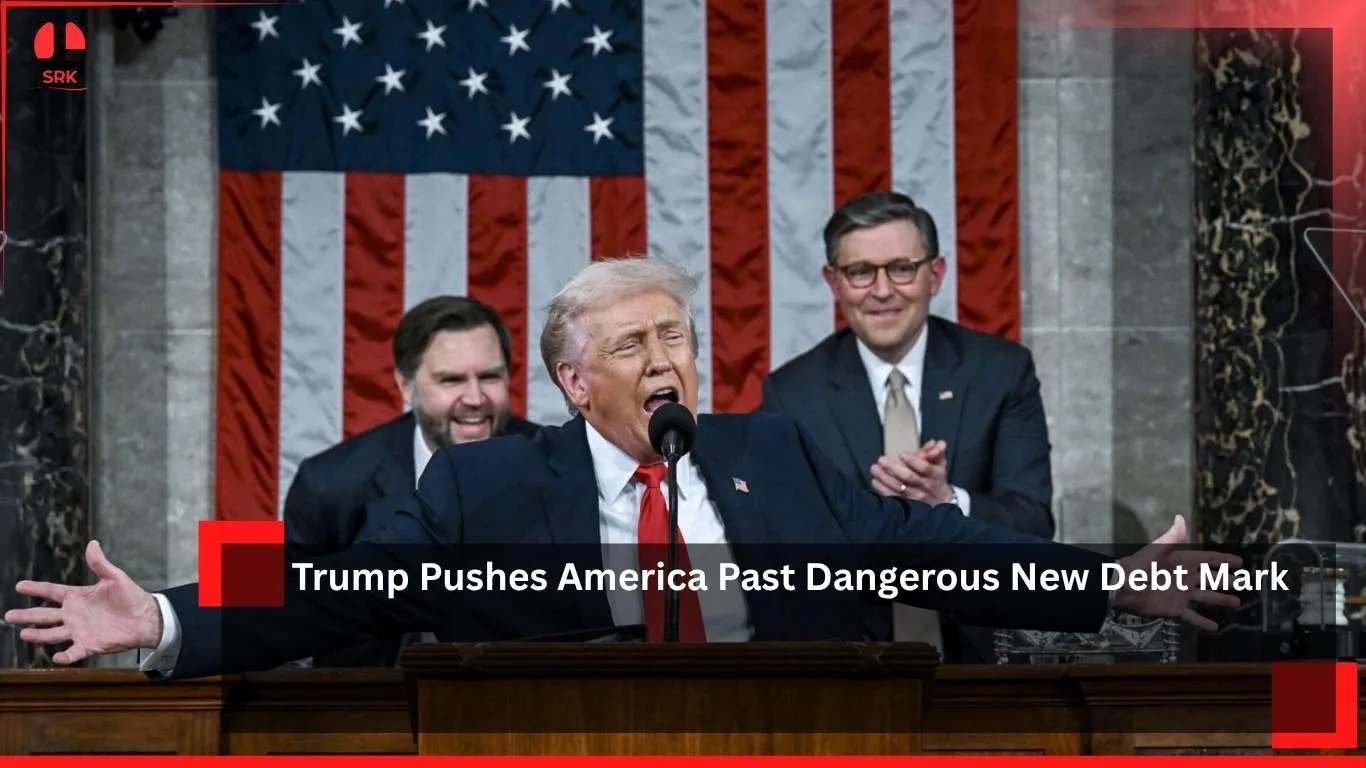


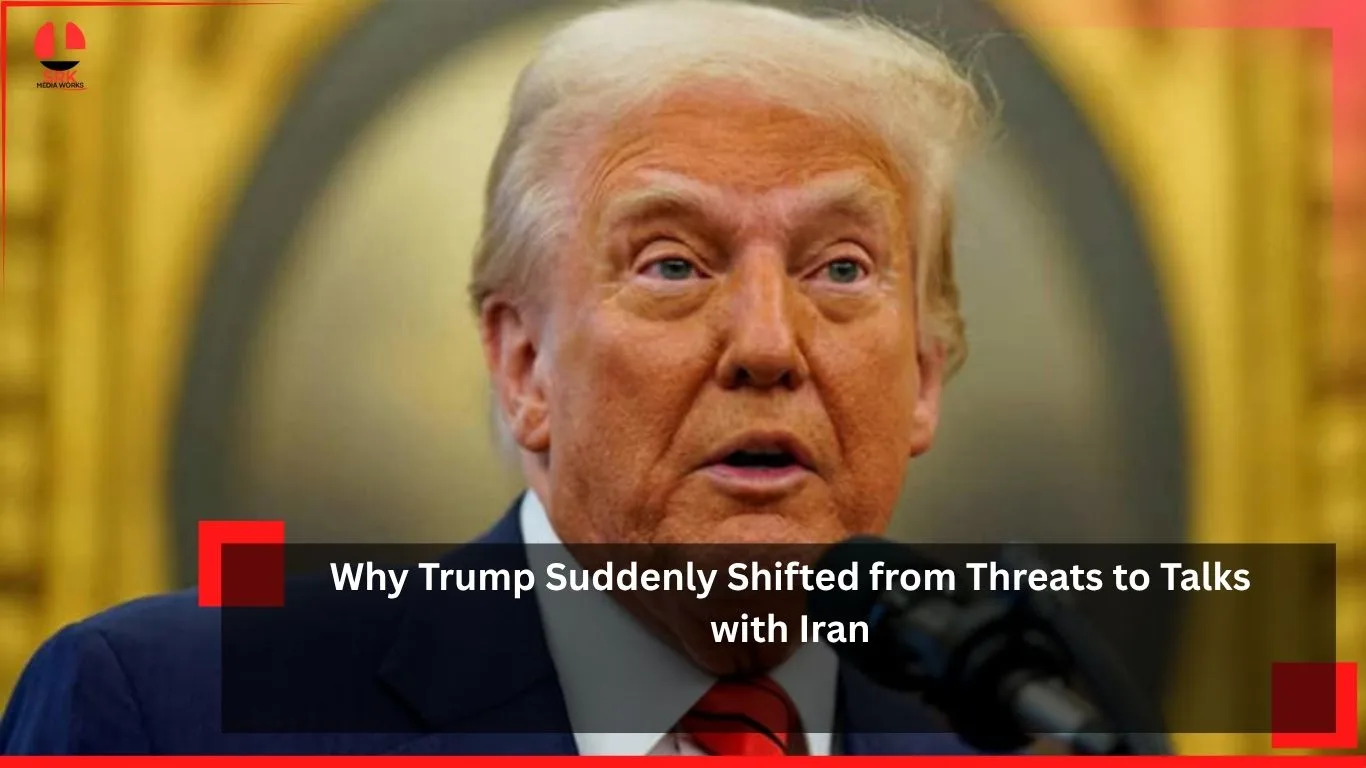
Donald Trump’s abrupt shift from threatening Iran with annihilation to claiming “productive talks” was driven by mounting global pressure, economic concerns, and the unpredictability of the war’s trajectory. Reports suggest Trump postponed military strikes on Iranian power plants after conversations aimed at a “total resolution of hostilities,” though Tehran has denied any formal negotiations.
Background of Trump’s Shifting Stance
For weeks, Trump issued aggressive threats against Iran, including warnings of annihilation and plans to bomb Iranian power grids. Yet, within days, he pivoted to suggesting that “very good and productive” talks were underway to end the war. This sudden change reflects both domestic and international pressures.
Key Reasons Behind the Shift
- Global Economic Concerns
- Oil prices surged amid threats of escalation.
- Markets reacted negatively to the possibility of strikes on Iranian infrastructure.
- Postponing attacks temporarily stabilized global markets.
- International Pressure
- European allies, including Germany and France, urged de-escalation.
- NATO cohesion was at risk, with allies divided over US unilateral actions.
- Domestic Political Calculations
- Trump faces criticism over the war’s human and financial costs.
- Shifting to talks allows him to present himself as both tough and pragmatic.
- Iran’s Counter-Threats
- Iran’s Revolutionary Guards warned of retaliation, including mining the Gulf and targeting power plants.
- The risk of escalation forced Trump to reconsider immediate military action.
Comparative Analysis of Trump’s Positions
| Phase | Trump’s Stance | Impact |
|---|---|---|
| Initial Threats | “Annihilation” of Iran | Heightened tensions, oil price surge |
| Planned Strikes | Bombing Iranian power grid | Risk of retaliation, global alarm |
| Sudden Talks | “Productive discussions” | Temporary market relief, diplomatic speculation |
| Renewed Hardline | “Unconditional surrender” | Confusion, credibility concerns |
Public and Analyst Perspectives
- Political Analysts: Trump’s shift reflects his tendency to make impulsive decisions driven by short-term optics.
- Security Analysts: The postponement of strikes was a tactical move to avoid immediate escalation.
- Public Sentiment: Mixed, with some relieved at the prospect of talks, while others see inconsistency as dangerous.
Sentiment Breakdown
| Sentiment | Percentage |
|---|---|
| Support for talks | 45% |
| Criticism of inconsistency | 40% |
| Neutral/Wait-and-see | 15% |
Broader Implications
- For the US: Trump’s unpredictability complicates military planning and diplomatic strategy.
- For Iran: Denials of talks suggest Tehran is wary of being seen as capitulating.
- For Global Markets: Temporary relief, but uncertainty remains high.
- For Allies: Growing frustration with US unilateralism could weaken transatlantic ties.
Long-Term Outlook
Trump’s oscillation between threats and talks may continue, reflecting his negotiation style of maximum pressure followed by sudden openness. However, without credible diplomatic channels, the risk of renewed escalation remains high. The coming weeks will determine whether this pivot leads to genuine negotiations or is merely a tactical pause.
Conclusion
Donald Trump’s sudden shift from threats to talks with Iran underscores the volatile nature of the US–Iran war. Driven by economic pressures, international criticism, and Iran’s counter-threats, Trump’s pivot highlights both the risks of impulsive leadership and the fragile hope for diplomacy. Whether this marks the beginning of genuine negotiations or another temporary pause remains uncertain.
Disclaimer
This article is based on publicly available information and analytical perspectives. It does not claim to provide verified government data or official diplomatic records. Readers are encouraged to follow updates from credible authorities for confirmed details. The content is intended for informational and discussion purposes only.