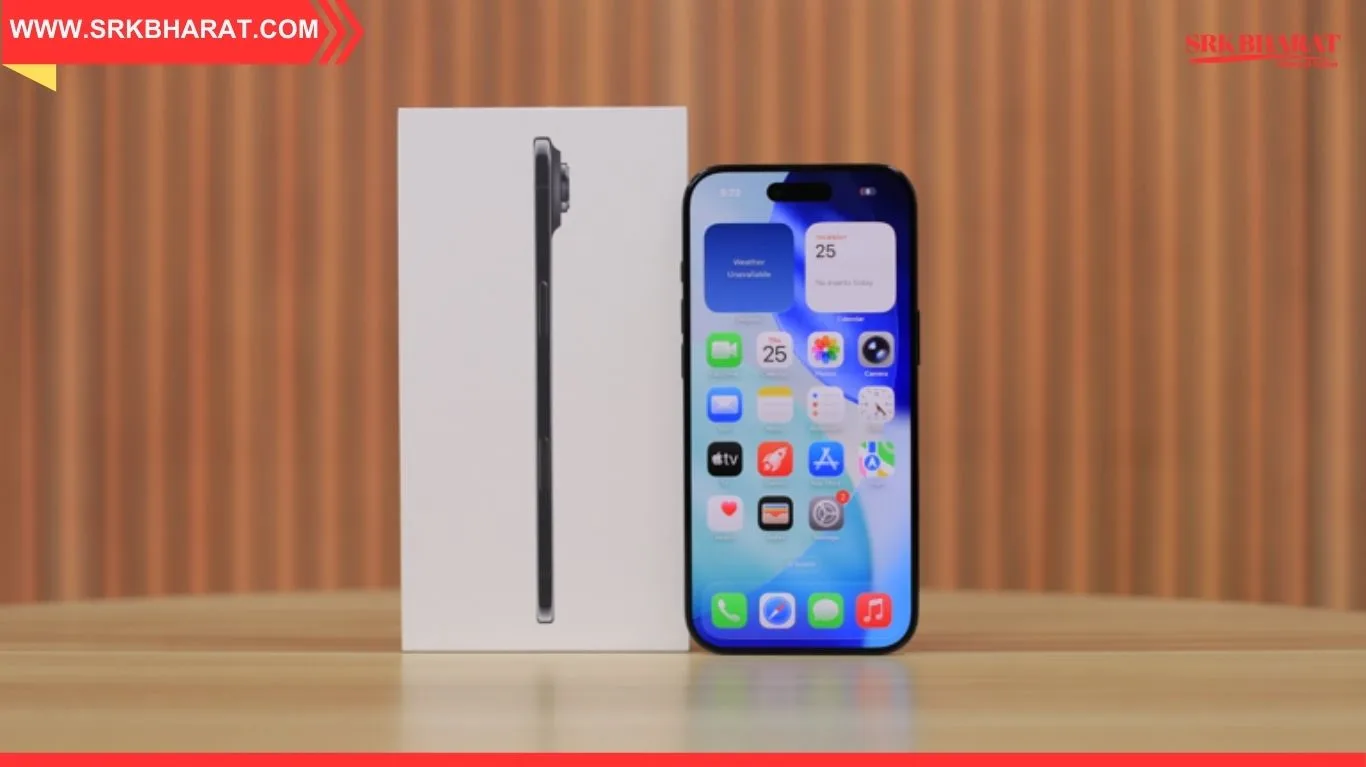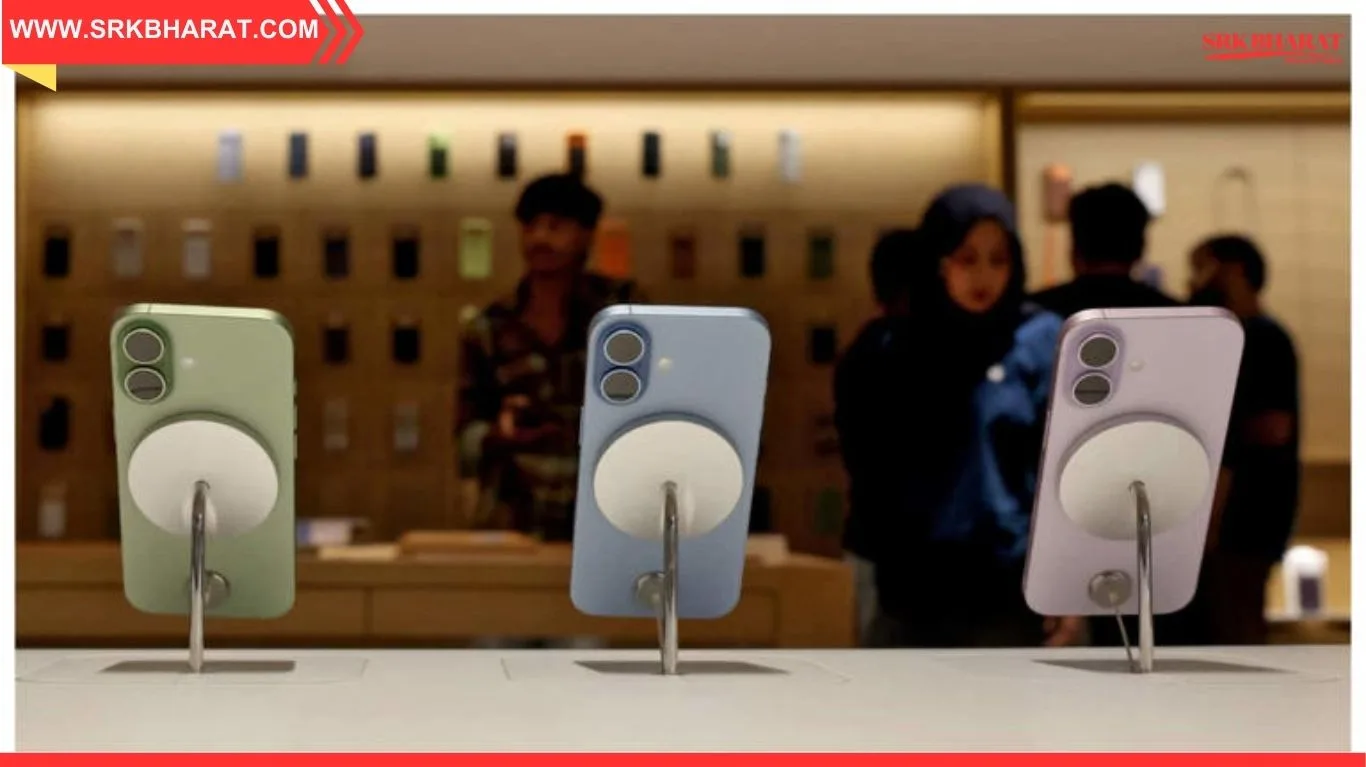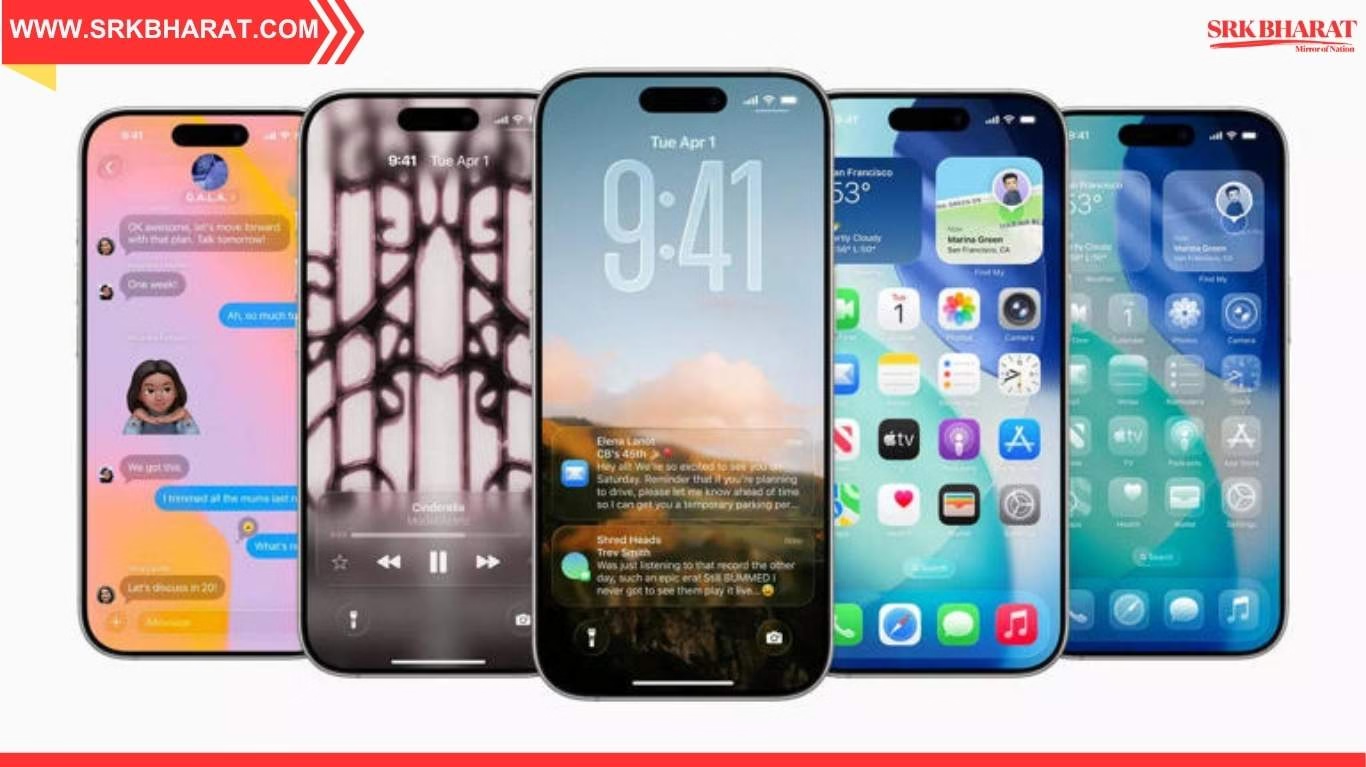





Smartphones with secondary rear displays are redefining mobile innovation in 2025, offering users a blend of futuristic design and functional versatility. From enhanced selfies to quick notifications and always-on widgets, these rear-facing screens are no longer gimmicks—they’re becoming mainstream. Among the top contenders this year are the Xiaomi 17 Pro, Lava Agni 3, and Doogee S200 Plus, each bringing unique strengths to the table.
The concept of a secondary rear display first gained traction with premium foldables and niche flagships. But in 2025, mid-range and rugged smartphones are embracing the trend, making it accessible to a wider audience. Whether you’re a content creator, multitasker, or tech enthusiast, these devices offer a fresh take on smartphone interaction.
Top smartphones with secondary rear display – 2025 lineup
| Model | Rear Display Size | Primary Display | Key Features | Price Range (₹) |
|---|---|---|---|---|
| Xiaomi 17 Pro | 1.5-inch AMOLED | 6.73-inch LTPO | Snapdragon 8 Gen 3, Leica cameras, 120W fast charging | ₹69,999 – ₹74,999 |
| Lava Agni 3 | 1.3-inch IPS LCD | 6.6-inch AMOLED | Dimensity 7050, 64MP triple camera, Made in India | ₹19,999 – ₹22,499 |
| Doogee S200 Plus | 1.4-inch TFT | 6.5-inch FHD+ | Rugged build, 108MP camera, 6000mAh battery | ₹24,999 – ₹27,999 |
| Nubia Z60 Ultra | 2.0-inch OLED | 6.8-inch AMOLED | Under-display selfie, gaming-grade cooling | ₹59,999 – ₹64,999 |
| Ulefone Power Armor 20T | 1.2-inch LCD | 6.58-inch IPS | Thermal imaging, IP69K rating, 256GB storage | ₹29,999 – ₹33,499 |
The Xiaomi 17 Pro stands out with its elegant rear AMOLED panel that doubles as a selfie viewfinder and notification hub. It supports customizable widgets, music controls, and even camera previews for high-resolution rear selfies. The Leica-powered camera setup and flagship-grade internals make it a top-tier choice for creators and professionals.
Lava Agni 3, on the other hand, brings this innovation to the budget segment. Its rear display is compact but functional, offering quick access to time, battery status, and call alerts. As a Made-in-India device, it also appeals to users seeking domestic alternatives with cutting-edge features.
Doogee S200 Plus targets adventure seekers and field professionals. Its rugged body, MIL-STD certification, and rear display make it ideal for outdoor use. The secondary screen can show compass data, weather alerts, and emergency contacts—features that go beyond aesthetics.
Why secondary rear displays are gaining popularity
| Benefit | Description | User Impact |
|---|---|---|
| Enhanced Selfies | Use rear cameras for high-quality selfies | Sharper images, better framing |
| Always-On Notifications | Quick glance at time, alerts, battery | Saves battery, reduces screen-on time |
| Custom Widgets | Music, weather, calendar on rear panel | Personalized experience |
| Dual-Screen Multitasking | Use both screens for different tasks | Improved productivity |
| Power Efficiency | Rear display consumes less energy | Longer battery life |
The Nubia Z60 Ultra pushes the envelope further with a larger OLED rear screen that supports touch input and app mirroring. It’s designed for gamers and power users who want immersive control and quick toggles without unlocking the main screen.
Meanwhile, Ulefone’s Power Armor 20T adds a unique twist by integrating thermal imaging alongside the rear display. This makes it a favorite among engineers, rescue teams, and industrial users who need real-time diagnostics on the go.
Retail analysts predict that rear displays will soon become standard in premium and rugged smartphones, especially as brands explore new use cases like biometric scanning, health tracking, and gesture control.
User sentiment – secondary rear display phones in 2025
| Platform | Positive Feedback (%) | Common Praise Points |
|---|---|---|
| Flipkart | 84% | Camera preview, battery savings |
| 78% | Design innovation, multitasking | |
| YouTube | 86% | Unboxing excitement, feature demos |
| 72% | Practical use cases, durability |
Tech reviewers have also noted that rear displays help reduce screen-on time for the primary display, thereby extending battery life and reducing eye strain. For users who rely on their phones for long hours, this feature is more than just a novelty.
Tips for choosing a smartphone with rear display
| Tip | Description | Benefit |
|---|---|---|
| Check Display Type | AMOLED/OLED offers better clarity and battery | Enhanced visibility and efficiency |
| Evaluate Use Case | Selfies, alerts, outdoor use | Choose based on lifestyle |
| Consider Battery Capacity | Rear display adds to power draw | Opt for 5000mAh or higher |
| Look for Software Integration | Custom widgets and app support | Better user experience |
| Compare Durability | Rugged phones offer added protection | Ideal for travel and field work |
As smartphone design continues to evolve, secondary rear displays are carving a niche for themselves. Whether it’s for style, utility, or innovation, these devices offer a glimpse into the future of mobile interaction.
With brands like Xiaomi, Lava, Doogee, Nubia, and Ulefone leading the charge, users now have more choices than ever to experience dual-display functionality without compromising on performance or affordability.
Disclaimer: This article is based on publicly available product specifications, user reviews, and retail trends. It does not constitute product endorsement or financial advice. Prices and features are subject to change based on availability and region. Readers are advised to verify details before making a purchase.