


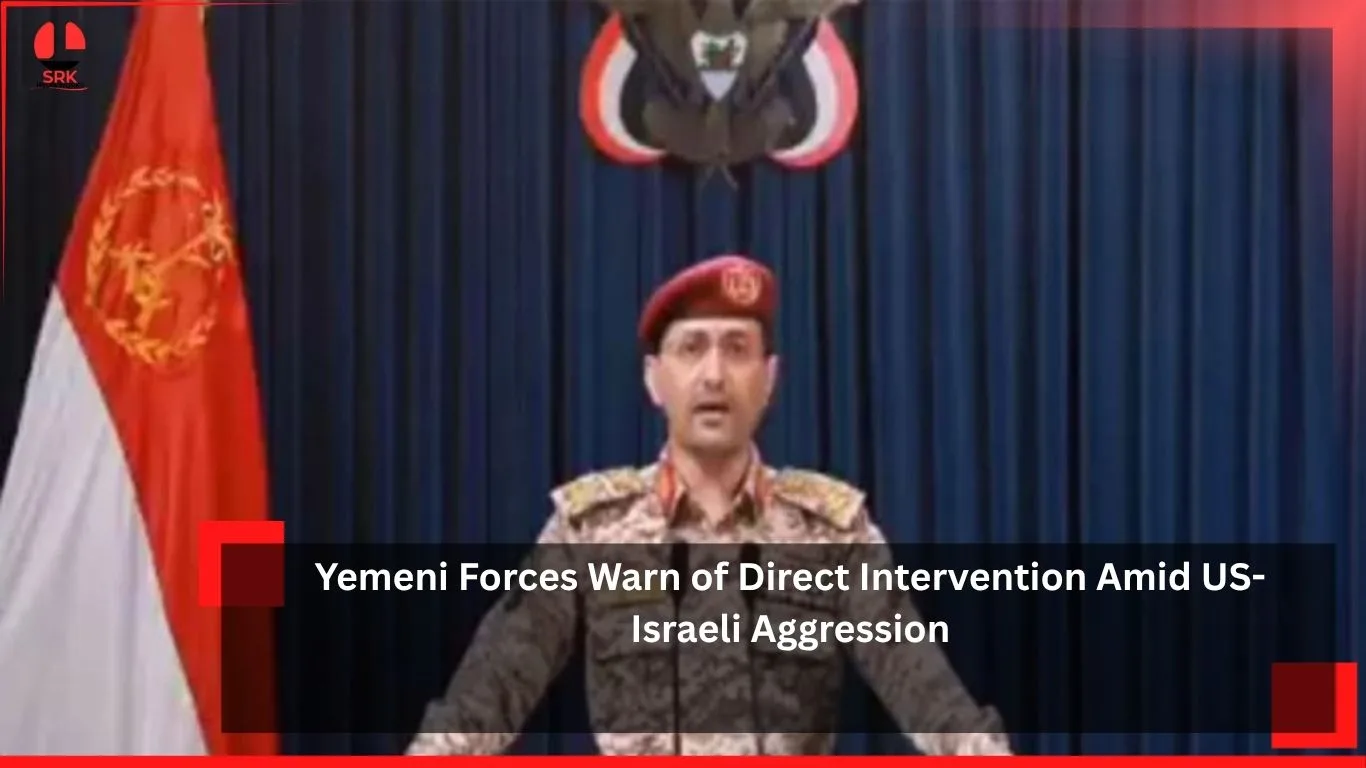
The conflict in the Middle East has taken a dangerous turn as Yemeni forces issued a stern warning of direct intervention in response to what they describe as US-Israeli aggression. This escalation underscores the growing complexity of regional warfare, where multiple actors are entangled in overlapping disputes, proxy battles, and strategic maneuvers. Yemen’s warning signals a potential expansion of the conflict, raising fears of a wider war that could destabilize the entire region and disrupt global energy supplies.
Background of the Crisis
The Middle East has long been a theater of geopolitical rivalry, but recent developments have intensified tensions. The US and Israel have increased military operations targeting Iranian-backed groups, while Yemen’s Houthi forces, aligned with Iran, have threatened to intervene directly. This warning comes amid ongoing strikes, naval confrontations, and heightened rhetoric from all sides.
Key Drivers of Escalation:
- US-Israeli military operations against Iranian proxies.
- Yemen’s alignment with Iran through Houthi forces.
- Strategic importance of the Red Sea and Bab el-Mandeb Strait.
- Rising civilian casualties fueling regional anger.
Yemen’s Warning
Yemeni forces declared that continued aggression by the US and Israel would trigger direct intervention. This statement is seen as a significant escalation, as Yemen has previously relied on proxy tactics rather than overt military involvement.
| Yemen’s Position | Implication |
|---|---|
| Direct intervention warning | Risk of expanding conflict |
| Alignment with Iran | Strengthens regional axis against US-Israel |
| Threats to Red Sea shipping | Global trade disruption |
| Mobilization of militias | Intensifies proxy warfare |
Pivot Analysis: Stakeholder Narratives
| Stakeholder | Narrative | Implication |
|---|---|---|
| Yemen | Warns of direct intervention | Escalation of regional war |
| US | Protects allies, targets Iranian proxies | Risk of prolonged conflict |
| Israel | Security and deterrence | Heightened regional instability |
| Iran | Expands influence through allies | Strengthens anti-US coalition |
| Global Markets | Concern over shipping routes | Rising oil and trade volatility |
Strategic Importance of Red Sea and Bab el-Mandeb
The Bab el-Mandeb Strait, near Yemen, is a critical chokepoint for global trade and energy supplies. Any disruption caused by Yemeni intervention could have severe consequences for international shipping and oil markets.
Potential Consequences:
- Disruption of oil shipments to Europe and Asia.
- Rising global energy prices.
- Increased insurance costs for shipping companies.
- Strategic military buildup by global powers.
Comparative Analysis: Past vs. Present
| Conflict | Nature | Outcome |
|---|---|---|
| Yemen Civil War | Proxy-driven, localized | Humanitarian crisis |
| Current Escalation | Regional, multi-actor | Risk of wider war |
| Tanker War (1980s) | Iran-Iraq conflict | Global oil disruption |
Global Energy Market Impact
The warning from Yemen has already triggered concerns in global markets. Traders fear that direct intervention could disrupt shipping lanes, leading to sharp increases in oil prices and inflationary pressures worldwide.
| Scenario | Oil Price Impact | Global Response |
|---|---|---|
| Limited intervention | Moderate increase | Strategic reserves tapped |
| Major disruption | Sharp spike | Push for renewable adoption |
| Prolonged conflict | Severe disruption | Risk of global recession |
International Reactions
- United States: Warns Yemen against escalation, maintains military readiness.
- Israel: Supports US stance, continues strikes on Iranian-backed groups.
- Iran: Welcomes Yemen’s warning, sees it as strengthening regional resistance.
- Europe: Calls for restraint and diplomatic resolution.
- China & Russia: Monitor situation closely, seek opportunities to expand influence.
Social Impact in Yemen
Yemen’s population, already suffering from years of civil war, faces further hardship as the threat of direct intervention looms. Rising insecurity, economic collapse, and humanitarian crises could worsen if the conflict expands.
- Food Security: Imports disrupted by naval confrontations.
- Healthcare: Limited access to medicines due to blockades.
- Displacement: More civilians forced to flee conflict zones.
- Public Sentiment: Growing anger against foreign intervention.
Possible Scenarios
| Scenario | Outcome |
|---|---|
| Direct intervention by Yemen | Escalation of regional war |
| Diplomatic resolution | Stabilization of conflict |
| Prolonged proxy warfare | Continued instability |
| Global involvement | Risk of wider confrontation |
Conclusion
Yemen’s warning of direct intervention amid US-Israeli aggression marks a dangerous escalation in Middle Eastern conflict. With strategic trade routes at risk and regional alliances hardening, the potential for a wider war looms large. The world watches anxiously, aware that any misstep could trigger a crisis with far-reaching consequences for global stability and energy security.
Disclaimer
This article is intended for informational and analytical purposes only. It does not represent the official stance of any government, institution, or individual mentioned. The content is based on geopolitical analysis, historical parallels, and public reports. Readers are encouraged to explore multiple perspectives for a comprehensive understanding of the issue.