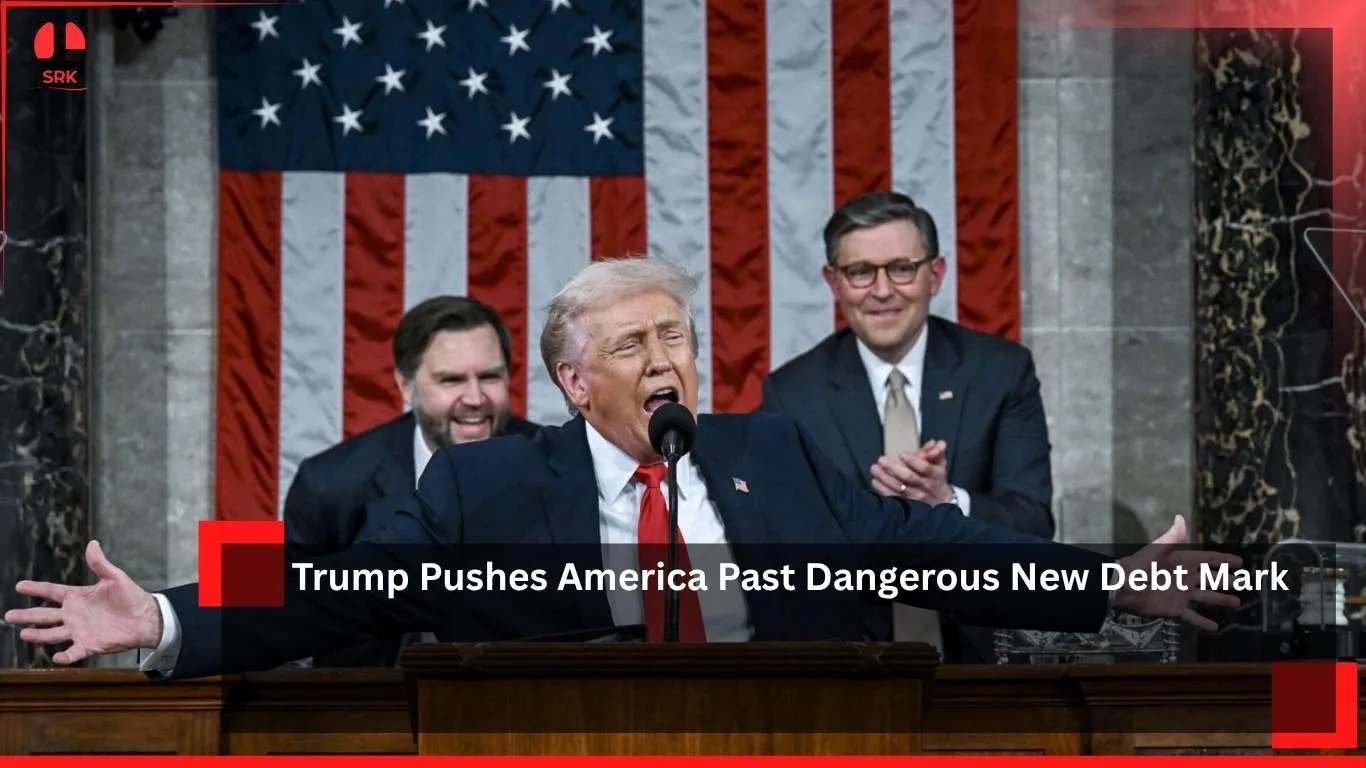
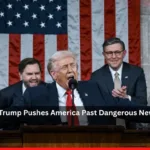
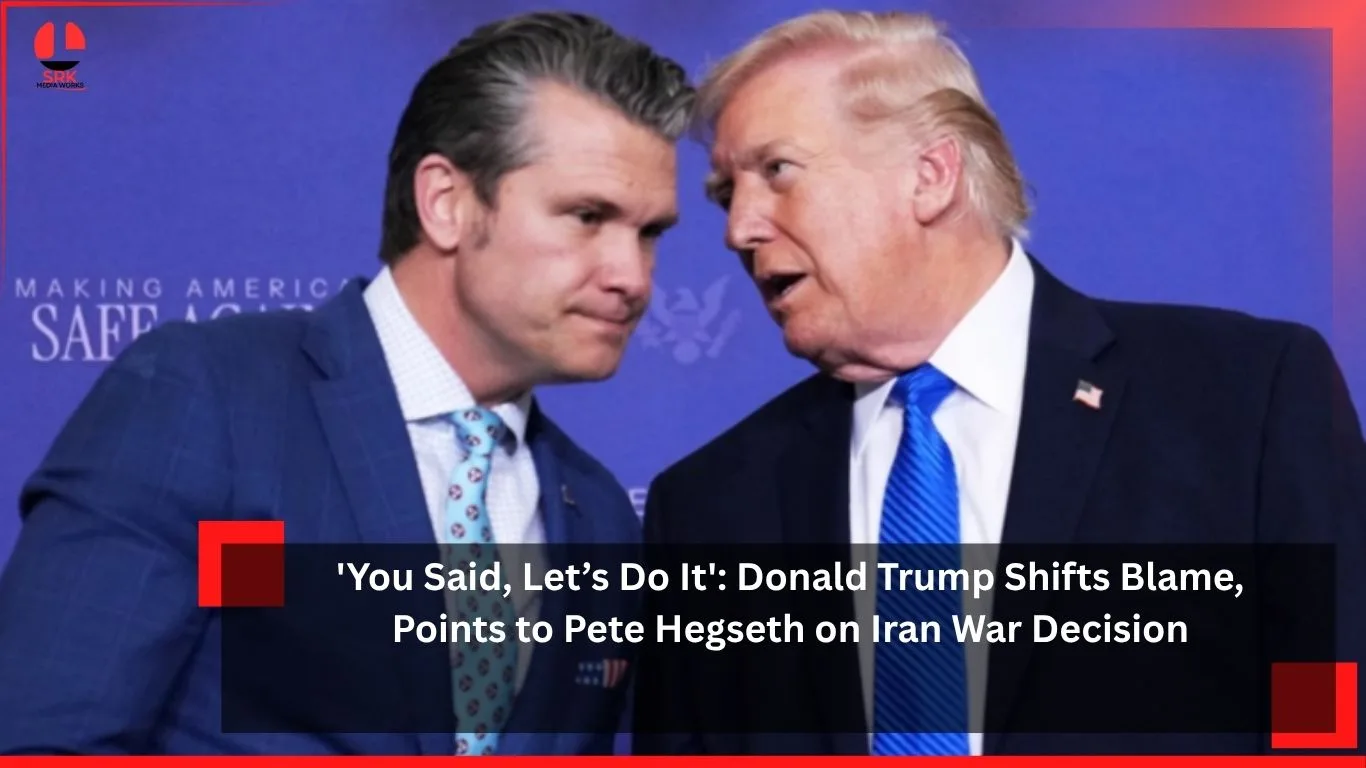
The ongoing US–Iran war has taken a dramatic turn in political discourse after former statements resurfaced, showing Donald Trump shifting blame for the war decision onto Fox News host Pete Hegseth. Trump reportedly claimed that Hegseth encouraged the move, saying, “You said, let’s do it.” This revelation has sparked heated debate about the influence of media personalities on high-level political decisions and the accountability of leadership in times of war.
Background of the US–Iran Conflict
The US–Iran war erupted following years of escalating tensions over nuclear ambitions, sanctions, and regional proxy battles. The decision to launch military action was controversial, with critics arguing it lacked clear strategy and risked destabilizing the Middle East further. Trump’s remarks pointing to Hegseth have reignited questions about how decisions of such magnitude were made and who truly influenced them.
Trump’s Statement and Its Implications
Trump’s claim that Pete Hegseth played a role in encouraging military action has several implications:
- Media Influence: Highlights the growing role of television personalities in shaping political decisions.
- Accountability: Raises questions about whether leaders are deflecting responsibility for critical choices.
- Public Perception: Fuels skepticism about the seriousness of decision-making processes in matters of war.
Comparative Analysis of Decision-Making Influences
| Influence Type | Example in Iran War Decision | Impact |
|---|---|---|
| Military Advisors | Pentagon officials | Strategic planning |
| Political Allies | Congressional supporters | Legislative backing |
| Media Personalities | Pete Hegseth | Public persuasion |
| International Pressure | Gulf allies, Israel | Regional alignment |
Public Reaction
The revelation has triggered widespread debate across social media and political circles:
- Critics argue that Trump’s remarks trivialize the gravity of war decisions.
- Supporters claim Trump was highlighting the broader consensus that existed at the time.
- Neutral observers worry about the precedent of media figures influencing military action.
Analysts’ Perspectives
| Perspective | Key Points |
|---|---|
| Political Analysts | Trump’s remarks may be an attempt to deflect blame. |
| Media Analysts | Shows the blurred line between journalism and policymaking. |
| Security Analysts | Raises concerns about the credibility of war strategies. |
Broader Implications
The controversy underscores deeper issues in governance and accountability:
- Erosion of trust in political leadership.
- Concerns about transparency in decision-making.
- Potential impact on future conflicts, as leaders may face greater scrutiny over who influences their choices.
Sentiment Breakdown
| Sentiment | Percentage |
|---|---|
| Outrage over media influence | 50% |
| Support for Trump’s deflection | 30% |
| Neutral/Wait-and-see | 20% |
Long-Term Outlook
The debate over Trump’s remarks and Hegseth’s alleged influence is likely to persist. It may:
- Shape narratives in upcoming political campaigns.
- Influence public trust in media and government institutions.
- Prompt calls for clearer boundaries between journalism and policymaking.
Conclusion
Donald Trump’s statement—“You said, let’s do it”—directed at Pete Hegseth has reignited controversy over the US–Iran war decision. While some see it as an attempt to deflect blame, others view it as evidence of the outsized role media personalities can play in shaping political outcomes. The incident raises critical questions about accountability, transparency, and the seriousness with which decisions of war are made.
Disclaimer
This article is based on publicly available information and analytical perspectives. It does not claim to provide verified government data or official military records. Readers are encouraged to follow updates from credible authorities for confirmed details. The content is intended for informational and discussion purposes only.