



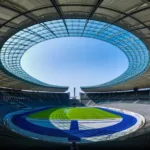





The 2026 FIFA World Cup officially commenced on Thursday in Mexico City, as global pop icon Shakira headlined a vibrant opening ceremony at the historic Estadio Azteca. The festivities, which concluded just over an hour before the opening match, set the stage for a tournament that spans three nations and promises to be the largest sporting event in history.
A Historic Venue for a New Era
Estadio Azteca, a cathedral of football that previously hosted the World Cup finals in 1970 and 1986, provided a symbolic backdrop for the tournament’s launch. The venue’s selection underscores FIFA’s commitment to honoring football heritage while expanding the competition to include 48 teams for the first time.
This expansion represents a significant shift from the traditional 32-team format. FIFA officials have noted that the inclusion of 16 additional teams aims to broaden the sport’s global appeal and increase television viewership across emerging markets.
The Evolution of the Tournament
The 2026 tournament marks the first time the World Cup is being co-hosted by three countries: Mexico, Canada, and the United States. This logistical undertaking involves 16 host cities, requiring unprecedented coordination between national governments and international football governing bodies.
Data from the FIFA economic impact report suggests that the tournament will generate record-breaking revenue through sponsorships, ticket sales, and broadcast rights. Analysts anticipate that the influx of international fans will provide a substantial boost to the tourism sectors in all three host nations.
Technical and Security Challenges
Organizing a tournament of this magnitude across multiple time zones presents unique challenges for players and organizers alike. Security remains a top priority, with local authorities in Mexico City and beyond implementing advanced surveillance and crowd management technologies to ensure the safety of millions of expected visitors.
Dr. Elena Rodriguez, a sports management researcher at the International Institute of Football, notes that the success of the 2026 format will serve as a blueprint for future multi-nation bids. “The coordination required for this tournament is unprecedented, and the world is watching to see if the logistical infrastructure can handle the increased volume,” Rodriguez stated.
Economic and Social Implications
For the host cities, the World Cup is more than a sporting event; it is a catalyst for urban development and infrastructure improvement. Many cities have invested heavily in public transportation, stadium renovations, and hospitality upgrades to accommodate the massive surge in tourism.
Beyond the economic figures, the tournament serves as a cultural bridge. The global nature of the competition fosters international dialogue and brings diverse communities together, reinforcing the role of sport as a unifying force in an increasingly fragmented political climate.
What to Watch Next
As the tournament progresses, industry experts will be closely monitoring the impact of the expanded format on player fatigue and team performance. Furthermore, observers will evaluate the effectiveness of the cross-border logistical operations as teams travel between the three host countries throughout the group stages and into the knockout rounds.