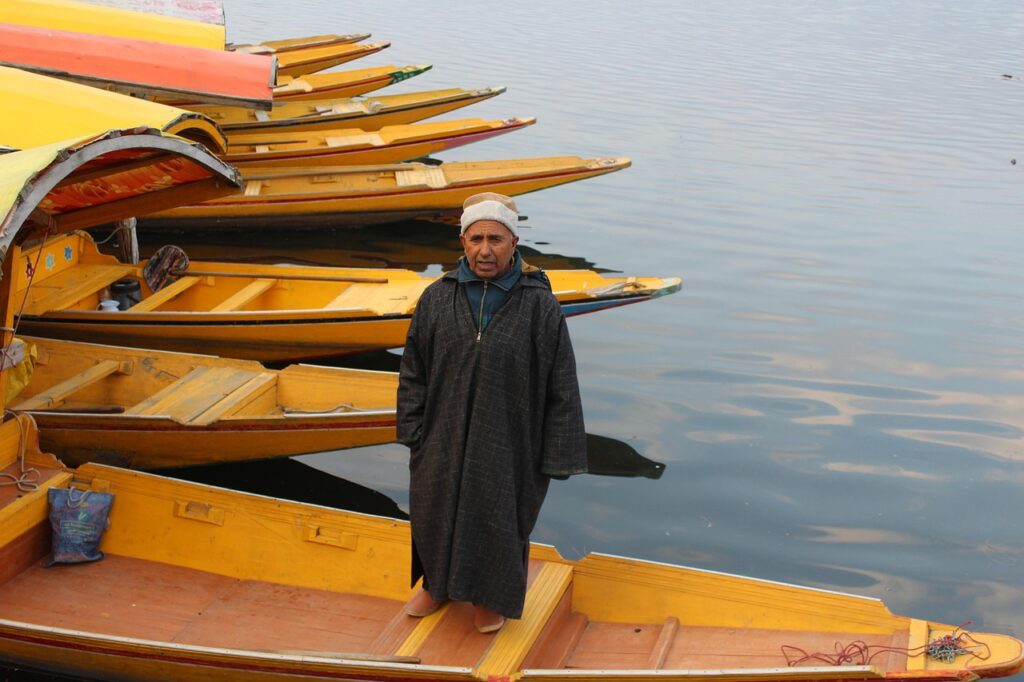

Novotel Visakhapatnam recently launched a Kashmiri food festival, inviting patrons to experience the authentic and royal flavours of the Kashmir Valley right on the Andhra Pradesh coast. The culinary event, featuring slow-cooked dishes, traditional recipes, and subtly spiced delicacies, aims to transport diners to the serene landscapes of Kashmir through its renowned Wazwan cuisine, offering a unique gastronomic journey.
The Essence of Wazwan: A Culinary Heritage
Wazwan is far more than just a meal; it is a multi-course feast and a significant cultural ritual in Kashmir, traditionally served at weddings and special occasions. Prepared by professional chefs known as ‘Wazas’ over several hours, sometimes days, it is characterized by its elaborate preparation, the use of aromatic spices, and a focus on mutton-based dishes. This culinary tradition reflects centuries of Persian, Central Asian, and local Kashmiri influences, making it a unique and cherished part of Indian heritage.
Bringing such an intricate and region-specific culinary art form to Visakhapatnam underscores a growing trend in the hospitality industry to celebrate and promote India’s diverse food landscape. For many, this festival offers a rare opportunity to taste dishes that are often unavailable outside their region of origin, prepared with the authenticity that defines the Wazwan experience.
A Taste of the Valley: Festival Highlights
The festival at Novotel Visakhapatnam meticulously recreates the Wazwan experience, focusing on signature dishes that define this grand feast. Guests can indulge in classics like Rogan Josh, a rich, aromatic curry slow-cooked with Kashmiri red chillies and spices, known for its vibrant colour and tender meat. Another highlight is Gushtaba, delicate meatballs cooked in a creamy yogurt gravy, often considered the concluding dish of the Wazwan.
The menu also features Rista, finely pounded meat koftas simmered in a flavourful red gravy, and Yakhni, a mild, yogurt-based mutton curry infused with traditional spices like fennel and ginger. For those who appreciate texture and depth, Tabak Maaz, crispy fried lamb ribs, offers a delightful contrast. The preparation emphasizes authenticity, with ingredients often sourced to replicate the exact flavour profiles found in Kashmir, ensuring a genuine culinary immersion.
Expert chefs, potentially including a visiting Waza, oversee the preparation, adhering to time-honoured techniques. This commitment to traditional methods ensures that each dish retains its characteristic aroma, texture, and taste, providing an unparalleled dining experience. The hotel’s culinary team has worked to create an ambiance that complements the food, aiming to evoke the warmth and hospitality synonymous with Kashmiri culture.
Bridging Cultures Through Cuisine
The initiation of such a specific regional food festival by a prominent hotel chain like Novotel highlights a broader industry trend towards experiential dining and cultural exchange. “Our goal is not just to serve food, but to offer an authentic cultural narrative with every dish,” states Mr. Ankit Gupta, Food & Beverage Manager at Novotel Visakhapatnam, emphasizing the educational aspect of the festival. “The Kashmiri Wazwan is a testament to India’s culinary diversity, and we are proud to bring this royal feast to our guests, allowing them to explore a rich heritage.”
Data from recent industry reports indicates a significant rise in consumer interest for authentic regional Indian cuisines. A survey by the Indian Culinary Forum in 2023 noted that over 60% of diners expressed a strong desire to try traditional dishes from different states, moving beyond mainstream Indian restaurant offerings. This trend suggests that patrons are increasingly seeking unique and genuine gastronomic experiences, making festivals like this a timely response to evolving market demands.
These culinary events serve as vital platforms for cultural exchange, allowing people from different regions to connect through food. They introduce local populations to diverse culinary traditions and provide a sense of home for those who might hail from the featured region. The meticulous attention to detail, from the preparation methods to the presentation, elevates the dining experience beyond mere consumption to an appreciation of heritage.
Forward-Looking Implications
The success of the Kashmiri food festival at Novotel Visakhapatnam signals a promising future for similar regional culinary initiatives across the hospitality sector. It underscores the potential for hotels to act as cultural ambassadors, curating experiences that go beyond standard fare and tap into the rich tapestry of Indian gastronomy. For diners in Visakhapatnam, it means continued access to diverse and authentic culinary experiences, enriching the local food scene.
Industry observers predict a continued emphasis on niche regional cuisines, with hotels and independent restaurants alike exploring less common but equally rich culinary traditions. This trend is likely to drive innovation in sourcing ingredients, training specialized chefs, and creating immersive dining environments. Watch for more hotels to host ‘guest chef’ series focusing on specific regional specialties, further democratizing access to India’s vast and varied food heritage and fostering a deeper appreciation for culinary authenticity.