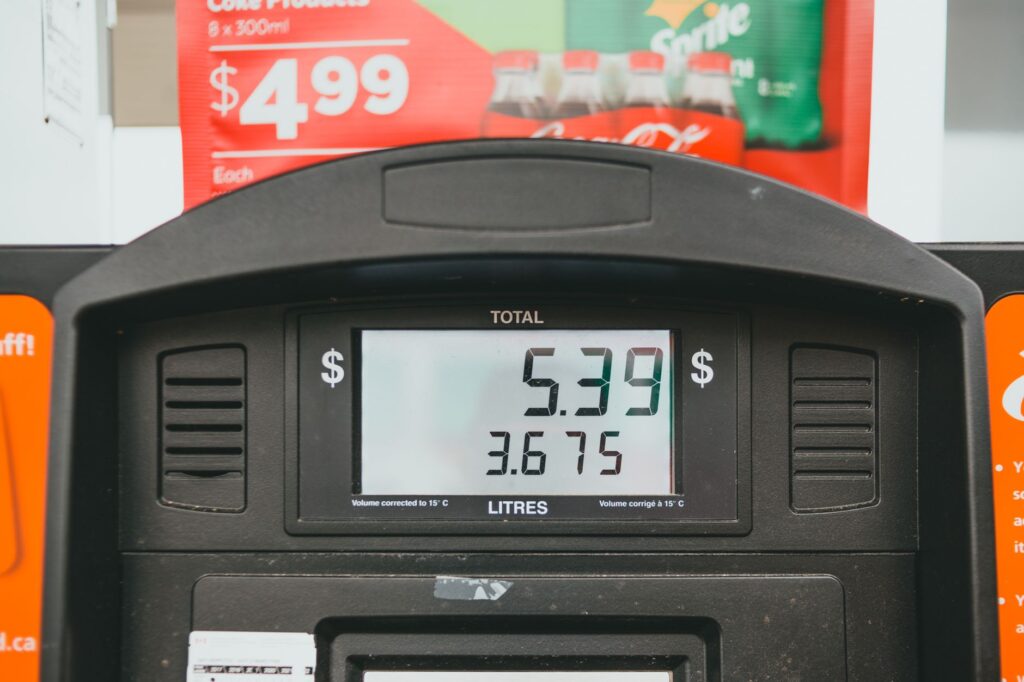

The debate surrounding foreign energy strategies and domestic fuel costs continues to draw intense scrutiny from economic analysts and consumers alike. Recent proposals involving petroleum resources in South America have sparked discussions about potential relief for motorists facing elevated costs at the service station. However, experts emphasize that turning foreign reserves into immediate consumer relief is a complex undertaking filled with uncertainty.
Introduction to Energy Strategies and Fuel Costs
When everyday citizens experience financial pressure at the pump, policymakers frequently look toward international markets for solutions. The idea of leveraging foreign petroleum assets often emerges as a primary tactic to increase supply and drive down costs. Yet, the mechanics of the global energy market mean that simple policy announcements rarely translate into instantaneous price drops for drivers.
Infrastructure Challenges in South America
One of the most significant obstacles to utilizing South American crude is the current state of local infrastructure. Decades of underinvestment, maintenance neglect, and administrative hurdles have severely degraded the production capacity of the region’s oil fields. Upgrading pipelines, extraction machinery, and export terminals requires immense capital and substantial time.
Even if policy changes permit increased commercial engagement, physical extraction cannot ramp up overnight. Engineers and industry specialists note that rehabilitating neglected oil infrastructure often takes years rather than months. Consequently, any anticipated influx of foreign crude into the global market remains a distant prospect.
Global Market Complexities
Petroleum is traded on a massive global exchange where prices are determined by worldwide supply and demand dynamics, geopolitical tensions, and refining capacities. A localized increase in extraction does not automatically lead to lower domestic fuel prices unless specific types of crude match the technical requirements of local refineries.
Many U.S. refineries are specifically configured to process heavier or lighter grades of crude oil. Adapting these industrial facilities to handle different petroleum compositions involves specialized engineering and financial investment. Without matching refinery capacity, simply acquiring foreign oil does not guarantee cheaper gasoline for local consumers.
Economic Realities for Consumers
For the average household dealing with a tight budget, the promise of future energy abundance offers little immediate comfort. Economic forecasts suggest that international supply adjustments take a considerable amount of time to ripple through the distribution chain and reach the local service station.
Furthermore, broader economic factors such as seasonal demand shifts, currency fluctuations, and transportation logistics play a critical role in determining what drivers pay at the pump. Relying solely on foreign resource acquisition as a quick fix ignores these multifaceted market realities.
Conclusion on Energy Relief
Ultimately, navigating high fuel expenses requires a comprehensive approach rather than a singular policy maneuver. While international energy strategies form a part of broader discussions, the path from foreign extraction to cheaper domestic gasoline is fraught with logistical and technical delays. Consumers should therefore temper expectations regarding rapid relief at the pump.