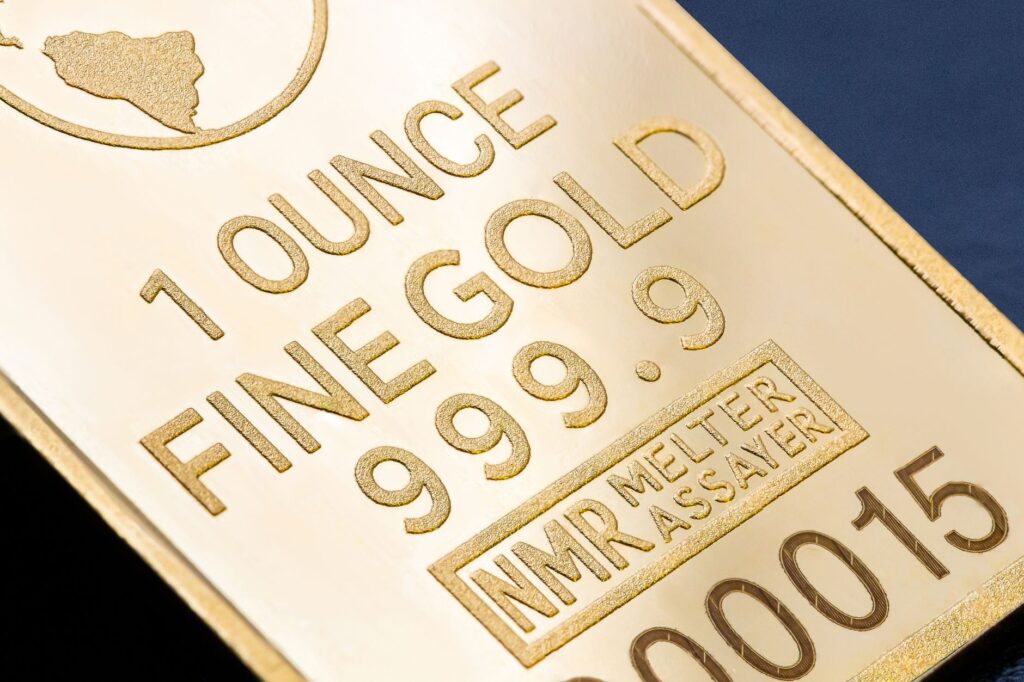

Precious metals experienced a notable price recovery in recent trading sessions, driven by shifting geopolitical perspectives and macroeconomic developments.
Introduction To Market Movements
Market participants closely monitored global political developments as financial assets reacted to changing risk sentiments. Bullion values staged a recovery following earlier downward pressure, finding temporary support from statements regarding international conflicts.
Geopolitical Factors And Leadership Signals
Comments from prominent political figures suggested that potential military engagements in the Middle East might remain brief and contained. This outlook reduced immediate safe-haven panic among global investors, allowing markets to recalibrate their exposure to risk assets and traditional hedges alike.
While geopolitical tensions often trigger aggressive buying in precious metals, the expectation of a short-lived conflict diminished the urgency for extreme defensive positioning. Investors began to balance political headlines against broader economic indicators that currently dictate monetary policy directions.
Monetary Policy And Interest Rate Concerns
Despite the geopolitical relief, gold faced substantial headwinds stemming from central bank policy expectations. The United States Federal Reserve remains under close scrutiny as market participants anticipate prolonged high interest rates to combat persistent inflationary pressures.
Elevated interest rates diminish the appeal of non-yielding bullion, as investors can secure attractive returns through fixed-income instruments such as government bonds. Consequently, persistent hawkish sentiment from central bankers acts as a natural ceiling for precious metal valuations during periods of economic resilience.
Treasury Yields And Economic Data
Accompanying the monetary policy concerns, elevated Treasury yields continued to pressure commodity markets. Higher yields increase the opportunity cost of holding precious metals, diverting capital toward government debt securities.
Furthermore, market participants shifted their focus toward upcoming macroeconomic reports, particularly employment statistics from the United States. Labor market strength remains a critical determinant for central bank decision-making, as robust job creation increases the probability of further monetary tightening.
Analysts and traders await these employment figures to gauge the overall health of the domestic economy. Stronger-than-expected labor data typically strengthens the national currency and pushes bond yields higher, creating a challenging environment for non-yielding commodities.
Outlook For Precious Metals
Looking ahead, the market trajectory for bullion will likely depend on the delicate balance between geopolitical developments and macroeconomic data releases. While international uncertainties provide occasional price support, the dominant drivers remain tied to central bank actions, inflation metrics, and currency fluctuations.
Investors continue to adopt a cautious approach, diversifying portfolios to mitigate the risks associated with volatile interest rate projections and shifting global political landscapes.