
Introduction to the Storage Market Shift
Consumer technology trends often move in cycles, favoring high-performance innovations before pivoting back to cost-effective reliability. For years, solid state drives dominated consumer preference due to their speed and durability. However, recent economic shifts and market dynamics have triggered a significant change in how users approach local storage needs. With skyrocketing costs for modern high-capacity solid state drives starting to strain budgets, consumers and professionals alike are reevaluating older technologies for everyday data archiving.
The Rising Cost of Solid State Storage
Solid state drives revolutionized computing by offering lightning-fast boot times and rapid file transfers. Yet, this performance comes with a financial trade-off. Recent price surges in the solid state market have begun to pinch consumers looking for massive data repositories. When individuals need to store terabytes of video footage, extensive photo libraries, or deep backups, the financial burden of relying exclusively on solid state technology becomes impractical for many households and independent creators.
The Unexpected Resurgence of Hard Disk Drives
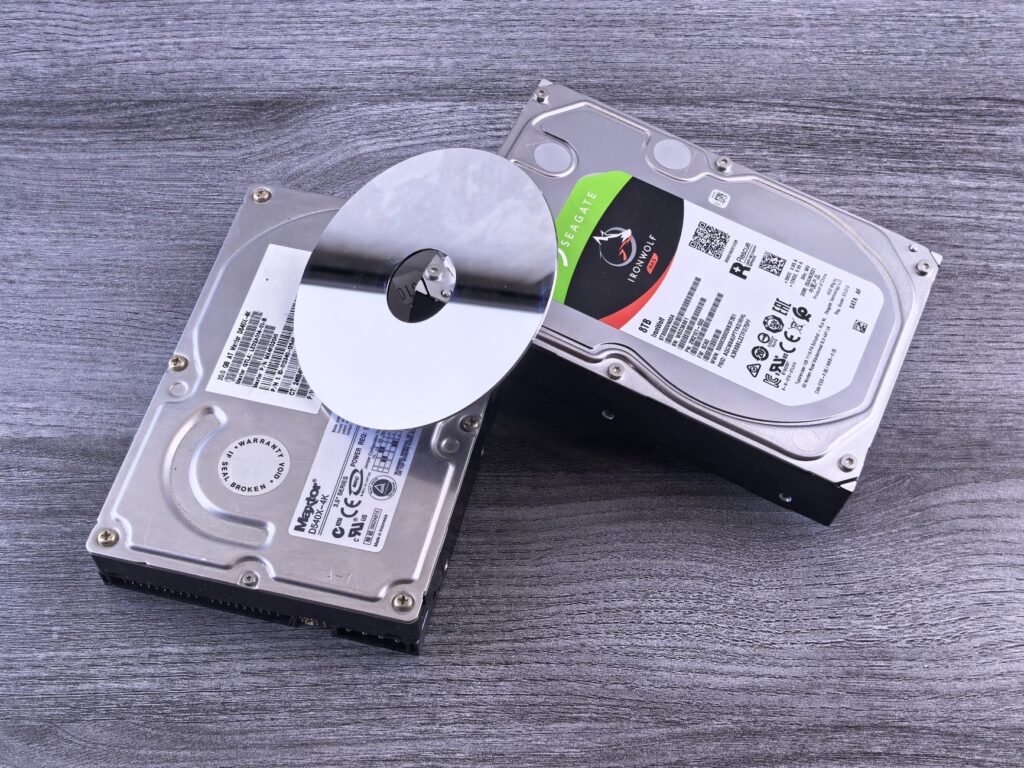
Because of these escalating costs, the humble hard disk drive is stepping back into the spotlight. Long dismissed by enthusiasts as sluggish relics of the past, spinning-disk technology is experiencing a major resurgence. Devices that offer massive storage capacities at a fraction of the cost per gigabyte are suddenly back in high demand. Users who require straightforward, high-capacity local storage find that traditional drives offer an unbeatable value proposition in the current market climate.
Spotlight on the Seagate OneTouch
Amid this renewed interest in mechanical storage, specific models are capturing attention for blending traditional capacity with modern convenience. The Seagate OneTouch stands out as a prime example of this trend. By offering a refined user experience, sleek physical design, and massive storage ceilings, this drive bridges the gap between old-school reliability and contemporary expectations. It delivers the space users crave without demanding the premium investment required by newer memory technologies.
Meeting Modern Local Storage Demands
Cloud storage services often dominate discussions about digital preservation, but they come with recurring subscription fees and privacy concerns. Consequently, many people prefer keeping their data physically close at hand. Local storage solutions remain essential for offline backups and rapid access to large files without internet dependency. The renewed popularity of mechanical drives highlights a pragmatic approach to digital management, where affordability and capacity outweigh raw speed for archiving purposes.
Looking Ahead at Data Storage Trends
The storage landscape proves that technological advancement is not always a linear path toward newer hardware. Market pressures often revive reliable legacy solutions to solve contemporary economic challenges. As long as solid state drive pricing remains volatile, traditional mechanical storage will likely retain its newfound popularity. Devices that provide dependable, high-capacity archiving ensure that the spinning disk will remain a vital component of the modern tech ecosystem for years to come.