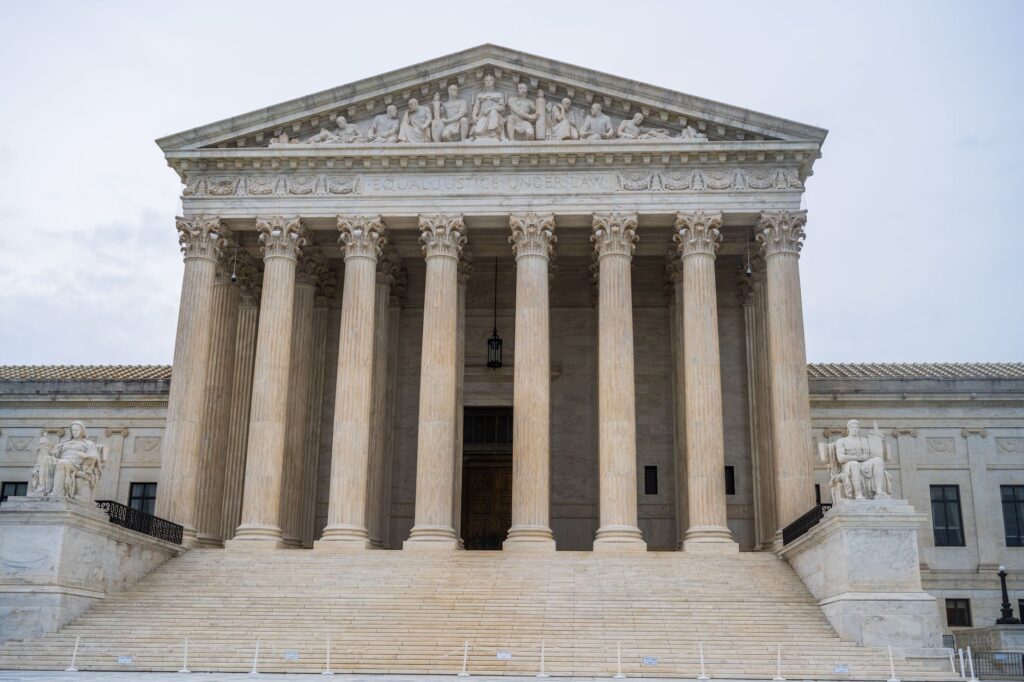

Supreme Court CCTV Scrutiny And Highway Safety
The apex court has raised critical inquiries regarding the implementation of video surveillance systems at highway collection booths. Justices questioned why comprehensive closed circuit television infrastructure has not been established across all major transit fee collection points to monitor traffic flow and safety violations effectively.
This judicial intervention follows an official suo motu review initiated by the judiciary after a tragic road collision occurred in Phalodi during November 2025. That specific incident involved a passenger transport vehicle colliding forcefully with an immobile heavy cargo truck left stationary on the roadway.
Addressing Highway Encroachments
Beyond surveillance concerns, the judicial bench firmly highlighted the persistent issue of unauthorized structures and illegal occupations along major expressways. These unauthorized commercial setups and residential expansions significantly narrow the available transit space and increase the hazard profile for daily commuters.
The authorities responsible for highway administration face mounting pressure to formulate actionable clearance drives. Removing illegal constructions is deemed vital for maintaining unobstructed vehicular movement and preventing avoidable transit tragedies across national corridors.
Accountability For Road Infrastructure
The National Highways Authority of India is now expected to provide comprehensive responses detailing existing monitoring capabilities and future compliance measures. Ensuring transparency at fee collection points and maintaining clear margins along high-speed routes remain paramount priorities for judicial oversight.
Legal experts note that heightened surveillance could serve multiple purposes beyond traffic management, including assisting accident investigations and curbing unlawful activities along transit routes. The ongoing proceedings emphasize a stringent approach toward national infrastructure safety and administrative responsibility.