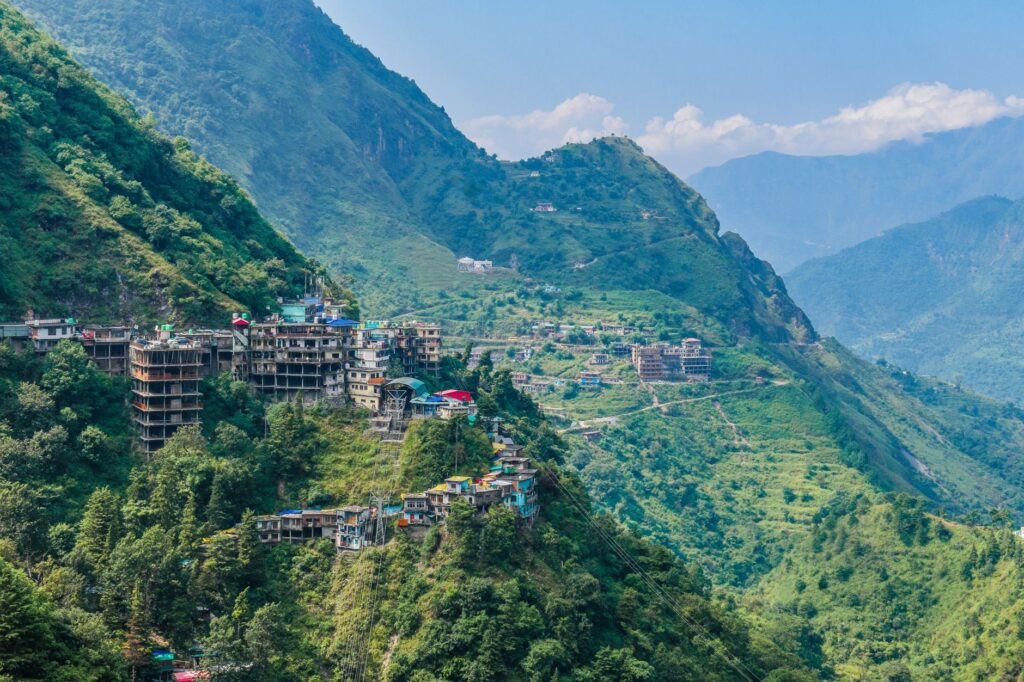

The Leadership Perspective on Regional Growth
Uttarakhand Chief Minister Pushkar Singh Dhami has recently underscored the critical need for a comprehensive, long-term development framework tailored specifically to the unique geographical and environmental demands of the Himalayan region.
Addressing key governance priorities, the state leader highlighted that conventional planning models often fail to capture the complex realities of mountainous terrain. He advocated for structural policies that harmonize economic progress with ecological preservation.
Understanding the Himalayan Environment
The mountainous topography of Uttarakhand presents distinct vulnerabilities, ranging from fragile geological formations to recurring climate-induced challenges. Standard administrative blueprints frequently prove inadequate when applied to high-altitude zones without significant modification.
Experts and policymakers have long debated the balance between modernization and environmental conservation in northern India. Tailored strategies ensure that infrastructural expansion does not compromise the structural integrity of mountain slopes or disrupt local hydrological systems.
Prioritizing Long-Term Resilience
A forward-looking approach requires shifting away from short-term fixes toward proactive disaster mitigation and sustainable resource management. Sustainable infrastructure, resilient housing, and disaster-ready communities form the core pillars of this vision.
By integrating scientific research with traditional local knowledge, policymakers can design frameworks that withstand extreme weather events. This methodology aims to secure the livelihoods of mountain residents while safeguarding vital natural resources for future generations.
Collaborative Governance and Future Action
Implementing a region-specific development agenda demands close coordination between central authorities, state agencies, scientific institutions, and local communities. Public participation remains essential to ensure that policies reflect ground realities.
Moving forward, the emphasis will likely remain on refining policy instruments to foster economic vitality without ecological degradation. Establishing this balance is vital for the long-term prosperity and stability of the Himalayan state.