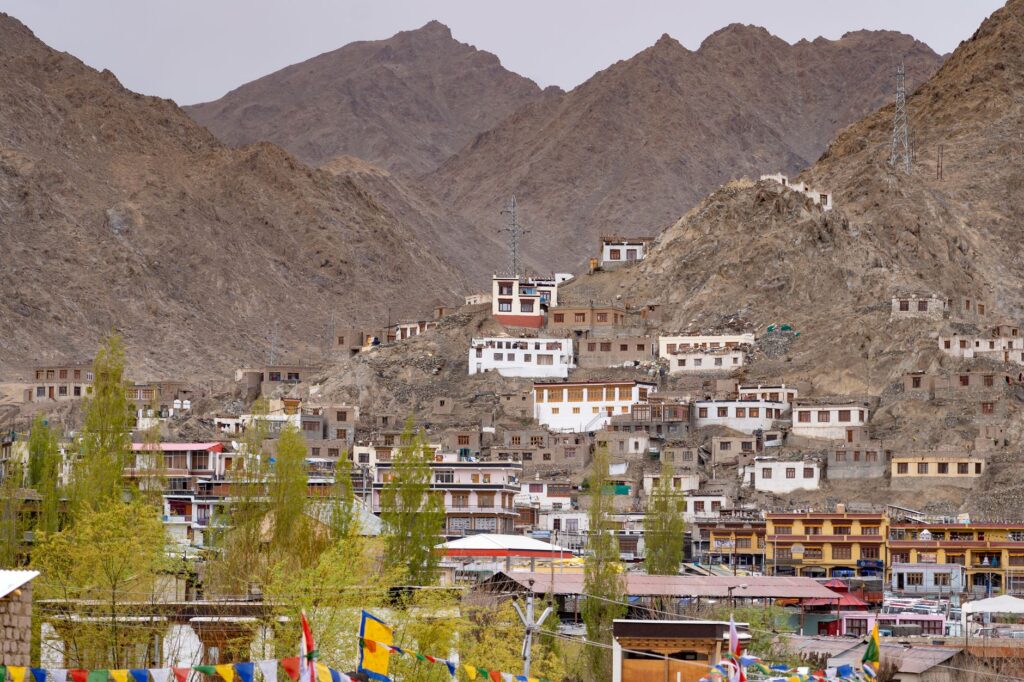

Ladakh Hill Development Councils Expansion
Governance across the high-altitude region of Ladakh is undergoing a major transformation. Every single district in the region is now set to feature its own autonomous hill development council. This structural shift aims to decentralize administrative authority and grant local populations a greater say in regional affairs, development projects, and cultural preservation.
Empowering Local Leadership
The decision to extend the autonomous hill council framework to all districts marks a pivotal moment for local governance in Ladakh. Previously, only select districts possessed these specialized representative bodies. By broadening this system, policymakers aim to ensure equitable resource distribution and tailored development strategies for communities living in remote mountain terrain.
Local leaders and regional representatives have long advocated for expanded grassroots democracy. Proponents of the policy argue that decentralized administration allows for quicker decision-making tailored to the unique economic, environmental, and cultural needs of each specific district.
Administrative Framework and Implementation
The establishment of new autonomous councils involves formalizing administrative boundaries, setting up electoral processes, and transferring specific financial and developmental powers to the local level. These elected bodies will be responsible for formulating local plans, managing regional resources, and addressing community grievances without needing direct intervention from distant centralized authorities.
Officials supervising the rollout emphasize that transparency and accountability will remain central to the functioning of the new councils. Training programs and administrative support are being organized to help newly empowered representatives manage public funds and execute regional infrastructure projects efficiently.
Implications for Regional Development
With autonomous councils now operating across the entire region, residents can expect a renewed focus on localized infrastructure, tourism management, environmental conservation, and educational advancement. Remote valleys and high-altitude settlements that historically faced administrative delays will now have direct representation and dedicated funding streams.
Observers note that this governance model could serve as a blueprint for empowering other remote and mountainous regions. By placing decision-making power directly into the hands of local residents, the region is poised for a more inclusive and self-determined future.