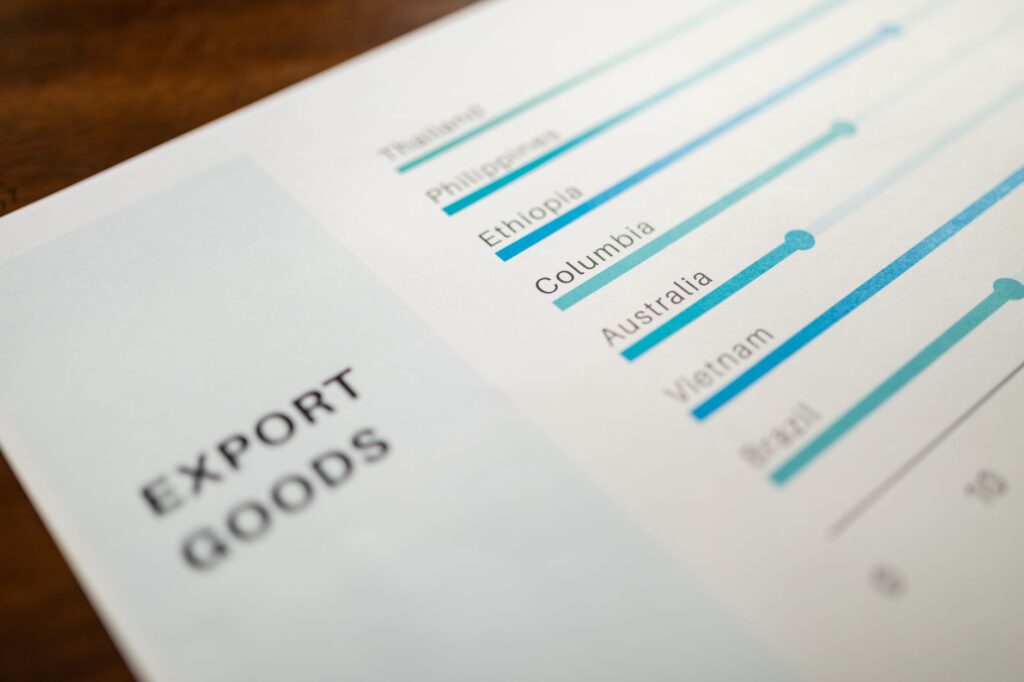

International trade dynamics play a critical role in shaping the economic trajectory of developing nations. Recent economic indicators highlight a complex relationship between robust overseas shipments and overall domestic output expansion. While external trade volumes continue to surge, certain segments within the export ecosystem face structural hurdles that impact bottom-line profitability.
Understanding the Export Driven Expansion
Economic performance relies heavily on external demand for domestic goods and services. Recent fiscal periods demonstrate that overseas shipments have served as a primary catalyst for broader economic momentum. Increased activity in manufacturing and allied sectors has directly contributed to higher output levels nationwide.
Policymakers often look to global trade as a reliable engine for job creation and industrial modernization. As international markets open up to local producers, the scale of operations expands significantly. This growth trajectory helps absorb surplus labor and encourages technological upgrades across various industries.
Challenges in the Low Margin Segment
Despite the positive headline figures, a closer examination reveals underlying vulnerabilities. Exporters dealing in low-margin goods report mounting difficulties in maintaining sustainable profit margins. High operational overheads, coupled with competitive pricing pressures globally, squeeze the financial returns of these enterprises.
Smaller businesses and commodity traders find it particularly arduous to absorb rising logistics expenses and raw material costs. Consequently, while volume metrics indicate strong trade activity, the actual financial health of individual firms within this category remains precarious.
Geopolitical Pressures and Supply Chain Realities
Global trade does not operate in a vacuum. Ongoing geopolitical tensions and regional conflicts, particularly in critical trade corridors like West Asia, introduce substantial volatility. Shipping routes face disruptions, leading to extended transit times and elevated freight rates.
These external shocks disproportionately affect exporters of low-value commodities. When transportation expenses escalate unexpectedly, profit margins that were already razor-thin vanish entirely. Businesses must constantly adapt their logistics strategies to mitigate these risks and secure timely deliveries.
Navigating Future Economic Horizons
Sustaining long-term economic momentum requires a balanced approach to trade policy. While encouraging high-volume exports remains essential, targeted interventions are necessary to support struggling sectors. Enhancing credit availability and streamlining customs procedures can alleviate some of the financial burdens faced by smaller traders.
Furthermore, diversifying export destinations and moving up the value chain will be crucial. Transitioning from basic commodities to specialized, high-value manufacturing allows businesses to command better pricing and buffer themselves against external market shocks.
The broader economic outlook remains optimistic, provided that structural reforms keep pace with global challenges. By addressing the specific vulnerabilities of low-margin exporters, the economy can secure a more resilient and inclusive growth path for the future.