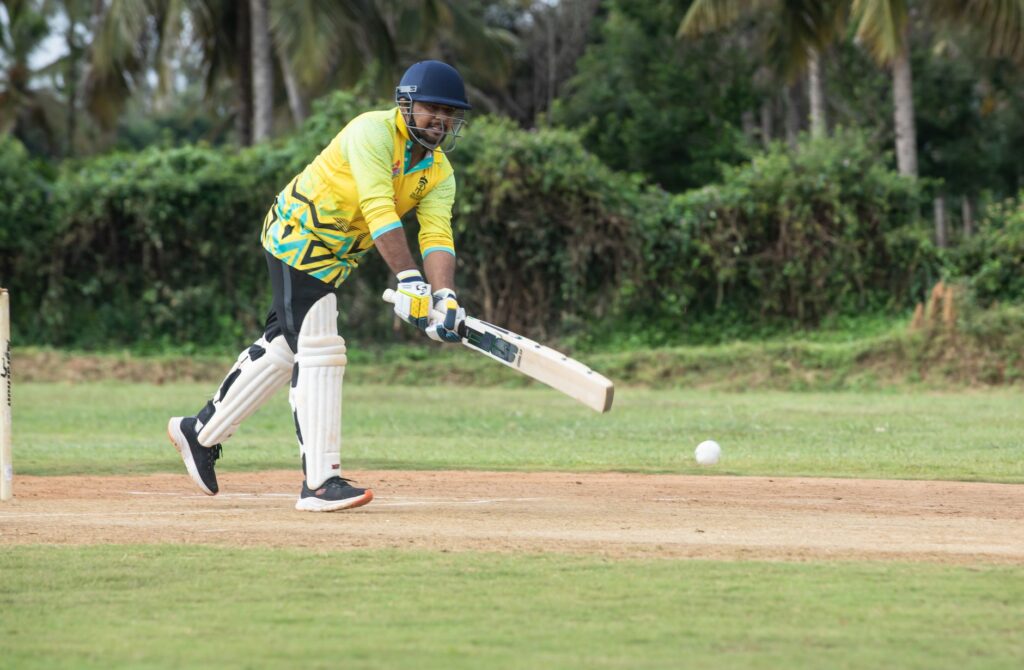

The governing body of Indian cricket recently convened a comprehensive strategy session to address the growing challenges within the national sport. During this extensive gathering, key decision-makers evaluated the current state of elite competition, player well-being, and future scheduling. While leadership offered strong backing to national team captain Rohit Sharma, discussions also highlighted the heavy toll that relentless international fixtures take on athletes.
Understanding the Demands of Modern Cricket
The closed-door meeting brought together various stakeholders to discuss structural issues facing the sport. Participants analyzed player workload management and the physical strain associated with a packed calendar. With numerous bilateral series, global tournaments, and domestic leagues crowding the annual schedule, maintaining peak performance has become increasingly difficult for elite competitors.
Addressing Athlete Fatigue
Experts and administrators openly acknowledged that excessive cricket is negatively impacting athletes. Mental and physical exhaustion often lead to diminished form and increased injury rates among top performers. The board recognized the urgent need to balance commercial obligations with the health and longevity of the players who represent the nation at the highest level.
Backing the Leadership
Despite recent challenges and heavy scrutiny, the leadership reaffirmed its confidence in Rohit Sharma as a central figure for the squad. Discussions focused on providing adequate support to the captain and coaching staff to navigate demanding campaigns. Ensuring stable leadership remains a priority as the team prepares for upcoming international assignments.
Navigating Complex Solutions
Finding practical remedies for the fixture congestion proved challenging during the discussions. While stakeholders agreed on the necessity of workload management, implementing effective rest periods without disrupting broadcast commitments or revenue streams remains a complex puzzle. No immediate, simple solutions were finalized to resolve the crowded calendar.
Looking Ahead
The strategic meeting marked a crucial step in recognizing structural flaws in contemporary sports management. By addressing player burnout head-on, leadership aims to create a more sustainable environment for current and future competitors. The focus now shifts toward careful planning and prioritizing athlete well-being in upcoming schedules.