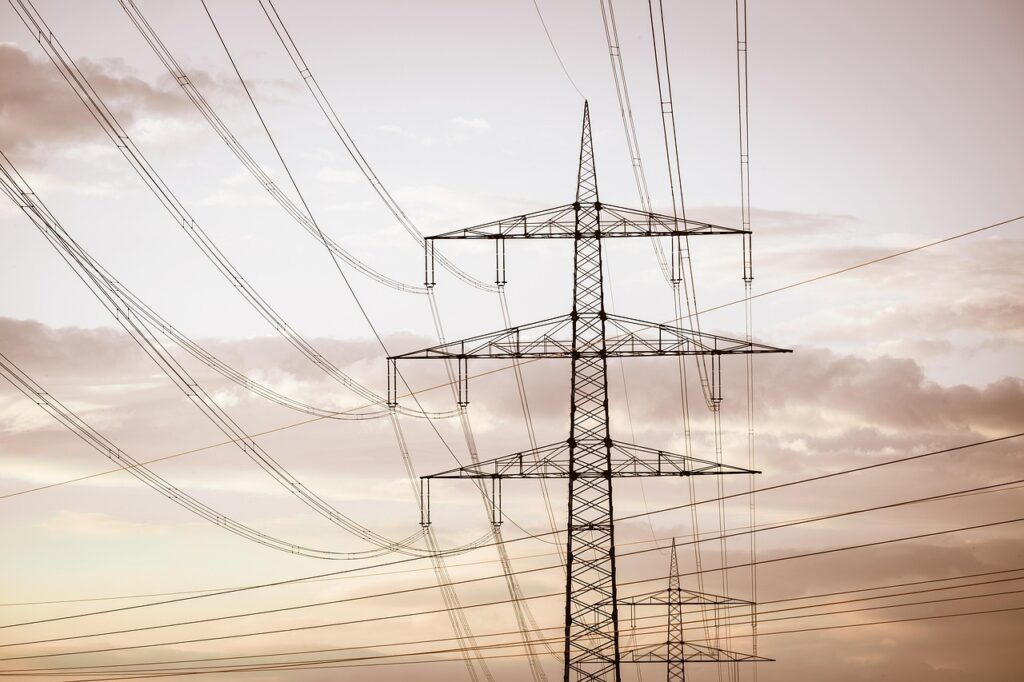

India’s power sector is witnessing a sharp surge in demand for high-voltage power conductors as the nation grapples with a 34% increase in electricity consumption between fiscal years 2019 and 2025. To meet this escalating load, domestic manufacturers are increasingly forming strategic technology partnerships with global firms to upgrade grid infrastructure and minimize transmission losses.
The Growing Infrastructure Deficit
The rapid industrialization and urbanization across India have placed unprecedented stress on existing power distribution networks. As the national grid expands to integrate more renewable energy sources, the need for advanced, high-capacity conductors has become a critical priority for utility providers.
Government data indicates that aging infrastructure is a primary bottleneck in current distribution efforts. Experts suggest that replacing legacy aluminum conductors with high-temperature, low-sag (HTLS) variants is essential to handle higher current loads without requiring massive land acquisition for new transmission corridors.
Strategic Industry Shifts
Domestic firms are responding to this supply-demand gap by pivoting toward advanced manufacturing. Many local players are now entering into licensing agreements or joint ventures with international technology leaders to localize the production of sophisticated conductor materials.
These technology tie-ups are designed to enhance the efficiency of power transmission while lowering the overall carbon footprint of grid operations. By focusing on indigenous production, companies aim to reduce reliance on expensive imports while adhering to the ‘Make in India’ initiative.
Expert Perspectives on Grid Efficiency
Industry analysts emphasize that volume alone is insufficient to stabilize the power sector. According to reports from the Central Electricity Authority (CEA), transmission and distribution (T&D) losses continue to hover at significant levels, necessitating a transition toward high-efficiency materials.
“The transition to advanced conductors is not merely about capacity; it is about loss mitigation,” says an industry consultant familiar with the sector. “Every percentage point reduction in distribution loss represents a massive gain in cost efficiency and reliability for the end consumer.”
Market Implications and Future Outlook
For the broader energy sector, this trend signals a sustained period of capital expenditure. Investors are closely watching companies that secure long-term contracts with state-owned power utilities, as these partnerships provide stable revenue streams amid the ongoing grid modernization phase.
Looking ahead, the focus will likely shift toward the integration of smart grid technologies alongside hardware upgrades. Stakeholders should monitor the upcoming tender cycles from the Power Grid Corporation of India Limited (PGCIL) to gauge the pace of adoption for next-generation conductor technologies. As the nation moves toward its net-zero targets, the ability to transmit power reliably over long distances will define the success of the country’s energy transition.