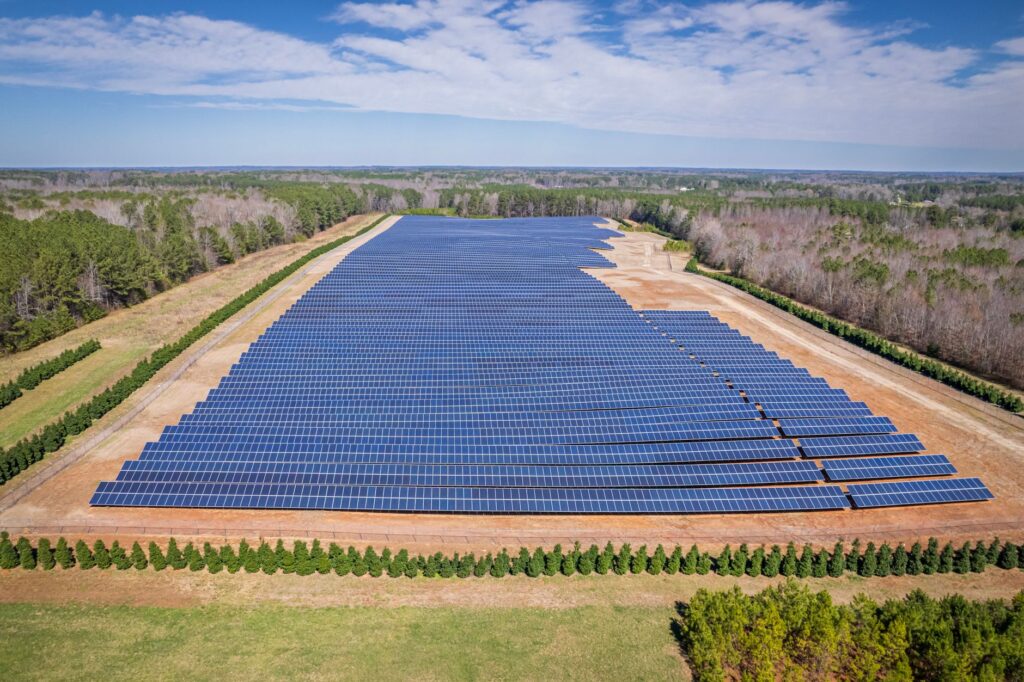

Facing mounting energy challenges and the constant pressure of rising power demands, the state of Bihar is aggressively pivoting toward renewable alternatives. Regional authorities are setting their sights on a massive financial commitment of Rs 1.38 lakh crore dedicated entirely to solar energy development. This ambitious financial strategy aims to transform the regional power landscape, reduce dependence on traditional fossil fuels, and ensure a stable supply of electricity for households and industries alike.
The Urgency of Energy Diversification
For years, the region has grappled with unpredictable power supplies and escalating electricity deficits. Traditional thermal power generation has struggled to keep pace with rapid urbanization and industrial growth. Furthermore, fluctuating coal supplies and environmental concerns have made reliance on conventional grids increasingly unsustainable. Leaders recognize that diversifying the energy basket is no longer optional but an absolute necessity for long-term economic stability and continuous development.
Unlocking the Potential of Solar Power
Solar energy emerges as the most viable solution to bridge the widening demand and supply gap. Blessed with abundant sunlight throughout the year, the territory possesses immense natural potential for photovoltaic generation. The proposed financial injection will fund utility-scale solar parks, rooftop installations across residential and commercial buildings, and decentralized solar mini-grids in remote rural areas. By harnessing this clean resource, planners hope to decentralize power production and empower local communities.
Attracting Major Private and Public Capital
Securing a massive capital inflow of Rs 1.38 lakh crore requires robust policy frameworks and investor-friendly initiatives. State administrators are actively collaborating with major financial institutions, renewable energy corporations, and global investors to facilitate seamless project execution. Tailored incentives, streamlined land acquisition processes, and single-window clearance mechanisms are being introduced to minimize bureaucratic hurdles and boost investor confidence in the green transition.
Empowering Rural Economies and Agriculture
Beyond stabilizing the urban power grid, the solar expansion plan places a strong emphasis on rural upliftment. Agriculture remains a backbone of the regional economy, yet farmers frequently face disruptions due to erratic electricity supply for irrigation. Dedicated solar feeders and decentralized solar pumps are slated to provide reliable daytime power to agricultural fields. This shift not only lowers operational costs for farmers but also shields the agrarian sector from broader grid instabilities.
Job Creation and Skill Development
Investing heavily in renewable infrastructure creates a ripple effect across the job market. The transition toward clean energy is expected to generate thousands of employment opportunities in engineering, project management, installation, maintenance, and manufacturing. Educational and vocational training institutes are preparing specialized curricula to equip the local workforce with the technical skills required by the expanding renewable energy sector, ensuring that residents directly benefit from the economic boom.
Overcoming Implementation Challenges
Despite the promising outlook, transitioning to a green-dominated grid comes with distinct hurdles. Land availability remains a sensitive issue, requiring careful negotiations to avoid conflicts with agricultural land use. Additionally, upgrading the existing transmission infrastructure to handle intermittent power inputs from solar farms demands substantial technical upgrading. Policymakers are prioritizing modern battery storage solutions and smart grid technologies to balance load fluctuations and ensure uninterrupted electricity distribution.
A Greener Future on the Horizon
The planned Rs 1.38 lakh crore investment marks a turning point in the regional approach to resource management and climate action. By aggressively adopting solar technology, authorities are laying the foundation for a resilient, sustainable, and self-sufficient power ecosystem. As projects transition from blueprints to reality, the region is well-positioned to emerge as a prominent green energy hub, setting a powerful precedent for sustainable development nationwide.