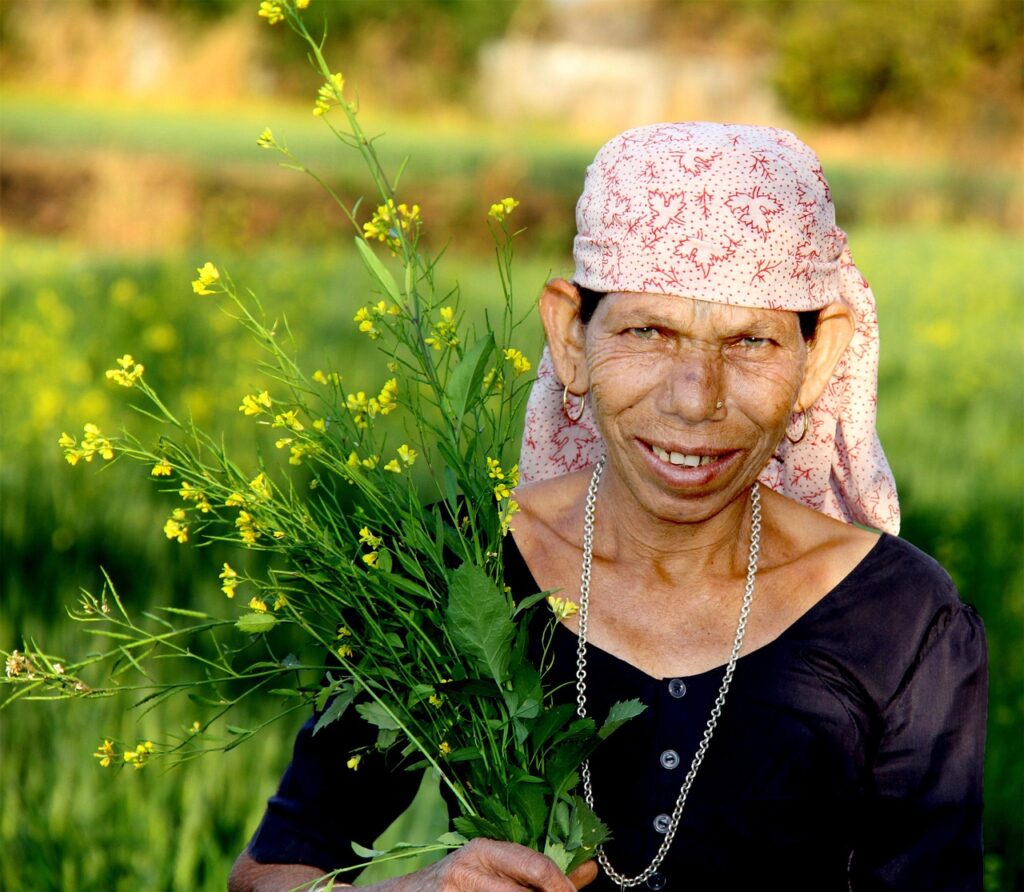

The Maharashtra state government formally tabled the Women Farmers’ Empowerment Bill in the Legislative Assembly this week, marking a significant legislative push to formalize the status of women in the agricultural sector. The proposed legislation seeks to provide official state recognition to female agriculturalists through a mandatory ‘Woman Farmer Certificate,’ effectively bridging the gap between labor contribution and access to institutional resources.
Understanding the Gender Gap in Agriculture
For decades, women have performed a substantial share of agricultural labor in India, yet they often lack legal land titles or formal recognition as farmers. According to data from the Periodic Labour Force Survey, women constitute a significant portion of the rural workforce, but they frequently operate in the shadows of male-dominated land ownership structures. This systemic invisibility has historically prevented them from accessing essential state-sponsored benefits, credit facilities, and agricultural extension services.
The Mechanics of the Empowerment Bill
The core of the new legislation centers on the issuance of a ‘Woman Farmer Certificate.’ This document will serve as a legal identity card, granting women direct access to government schemes, subsidies, and institutional finance without the requirement of traditional land ownership documents. By decoupling the status of a ‘farmer’ from the status of a ‘landowner,’ the government aims to democratize agricultural support systems.
The Bill also mandates that local agricultural departments maintain a digitized registry of these certified farmers. This database is expected to streamline the delivery of inputs, such as seeds and fertilizers, while providing a clear pathway for women to participate in market support programs. Furthermore, the legislation introduces provisions for priority in training programs and skill development, ensuring that women farmers are equipped with modern agricultural techniques.
Economic Implications and Expert Analysis
Agricultural economists view this move as a potential turning point for rural productivity. Dr. Anjali Deshmukh, an agricultural policy analyst, suggests that formalizing the identity of women farmers will likely lead to a surge in micro-credit uptake. “When women gain the legal ability to apply for loans independently, the entire household’s financial resilience improves,” she noted.
Data from the Food and Agriculture Organization (FAO) supports this sentiment, indicating that if women had the same access to productive resources as men, yields on their farms could increase by 20 to 30 percent. By removing the bureaucratic barriers that have kept women from government-backed credit, the Maharashtra government is positioning the sector for increased output and long-term sustainability.
Industry Shifts and Future Outlook
For the agricultural industry, this bill signals a move toward more inclusive supply chains. Financial institutions operating in rural Maharashtra are already preparing to update their lending criteria to accommodate these new certificates. Industry stakeholders anticipate that the influx of female-led farm businesses will create new demand for specialized tools and technologies tailored to the specific needs of women in the field.
Observers should watch for the implementation phase, specifically how the state government handles the verification process for the certificates. The speed at which local administrative bodies adopt the digital registry will determine the efficacy of the policy. If successful, the model could serve as a blueprint for other Indian states currently grappling with similar challenges in rural gender equality.