



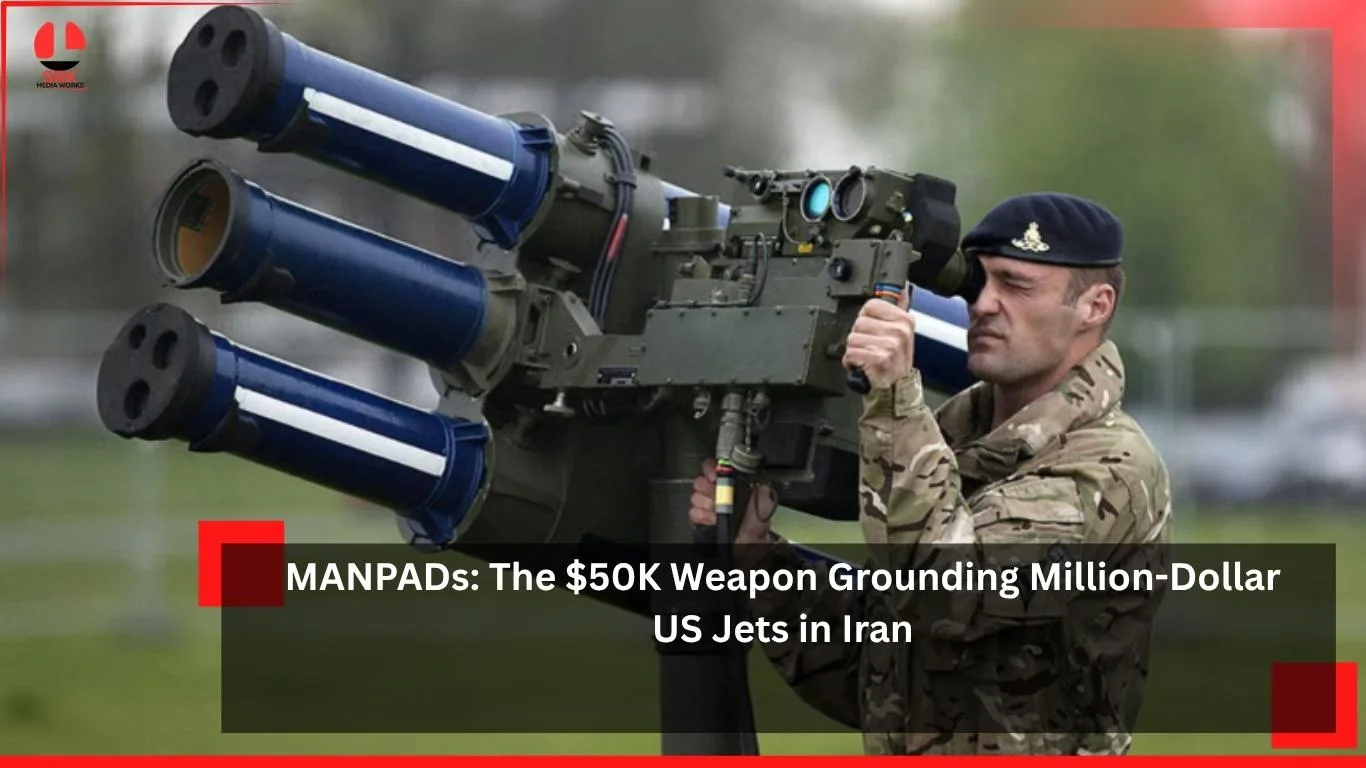
The ongoing conflict in the Middle East has highlighted the devastating effectiveness of man-portable air-defense systems (MANPADs). These relatively inexpensive weapons, costing around $50,000 per unit, have reportedly been used to target and ground U.S. fighter jets worth tens of millions of dollars in Iran. The stark contrast between cost and impact underscores the evolving nature of modern warfare.
What Are MANPADs?
MANPADs are shoulder-fired surface-to-air missile systems designed to target aircraft at low altitudes. Compact, portable, and relatively inexpensive compared to advanced military hardware, they have become a weapon of choice for insurgent groups and non-state actors.
Key Features:
- Portable and operable by a single soldier.
- Effective against helicopters, drones, and low-flying jets.
- Infrared guidance systems track heat signatures.
- Cost: approximately $50,000 per unit.
The Cost Disparity
The economic imbalance between MANPADs and U.S. fighter jets is striking.
| Weapon System | Approximate Cost | Operational Impact |
|---|---|---|
| MANPAD | $50,000 | Capable of downing jets |
| F-35 Fighter Jet | $80 million | Advanced stealth and combat capabilities |
| F-16 Fighter Jet | $30 million | Widely deployed, versatile aircraft |
| MQ-9 Reaper Drone | $16 million | Targeted by MANPADs in conflict zones |
This disparity demonstrates how low-cost weapons can neutralize high-value assets, reshaping military strategies.
Reports from Iran
Recent reports suggest that MANPADs have been deployed in Iran, where U.S. jets have faced increased risks. While official confirmations remain limited, military analysts argue that the use of MANPADs has forced U.S. forces to adapt flight patterns and operational strategies.
Tactical Outcomes:
- U.S. jets forced to fly at higher altitudes.
- Increased reliance on electronic countermeasures.
- Greater emphasis on drone surveillance to reduce pilot risk.
- Escalation of asymmetric warfare tactics.
Global Implications
The effectiveness of MANPADs in Iran has global ramifications, influencing military doctrines and defense spending worldwide.
| Region | Impact of MANPAD Deployment |
|---|---|
| Middle East | Escalation of asymmetric warfare |
| Africa | Increased use by insurgent groups |
| Europe | Heightened security for civilian aviation |
| Asia | Strategic reassessment of air defense |
Military Adaptations
To counter MANPAD threats, militaries are investing in new technologies and strategies.
Countermeasures:
- Flare Systems: Distract infrared-guided missiles.
- Electronic Jamming: Disrupt missile guidance systems.
- Flight Path Adjustments: Avoid low-altitude zones.
- Armored Aircraft Design: Enhance survivability.
Political Dimensions
The use of MANPADs in Iran has political consequences, fueling debates about arms proliferation and the vulnerability of advanced military assets.
Political Outcomes:
- Renewed calls for stricter arms control.
- Increased scrutiny of arms smuggling networks.
- Diplomatic tensions between U.S. and regional powers.
- Public debates on military spending efficiency.
Comparative Analysis
The MANPAD phenomenon is not unique to Iran. Similar incidents have occurred globally, highlighting the weapon’s disruptive potential.
| Conflict Zone | MANPAD Impact |
|---|---|
| Afghanistan | Used against Soviet helicopters |
| Syria | Targeted regime and coalition aircraft |
| Iraq | Deployed by insurgent groups |
| Iran | Reported use against U.S. jets |
Future Outlook
The continued use of MANPADs will likely shape military strategies in the coming years. Nations will need to balance investments in high-value aircraft with countermeasures against low-cost threats.
Possible Scenarios:
- Increased Countermeasures: Greater reliance on electronic warfare.
- Shift in Strategy: More drone deployment to reduce pilot risk.
- Global Arms Control: Renewed efforts to restrict MANPAD proliferation.
- Escalation: Continued asymmetric warfare challenges advanced militaries.
Disclaimer
This article is a detailed news analysis prepared for informational purposes only. It does not represent official military statements or confirmed battlefield assessments. Readers are encouraged to verify details from credible sources before drawing conclusions. The content aims to highlight the impact of MANPADs in Iran and their broader implications for global military strategy.