
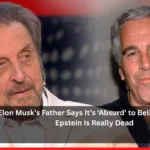


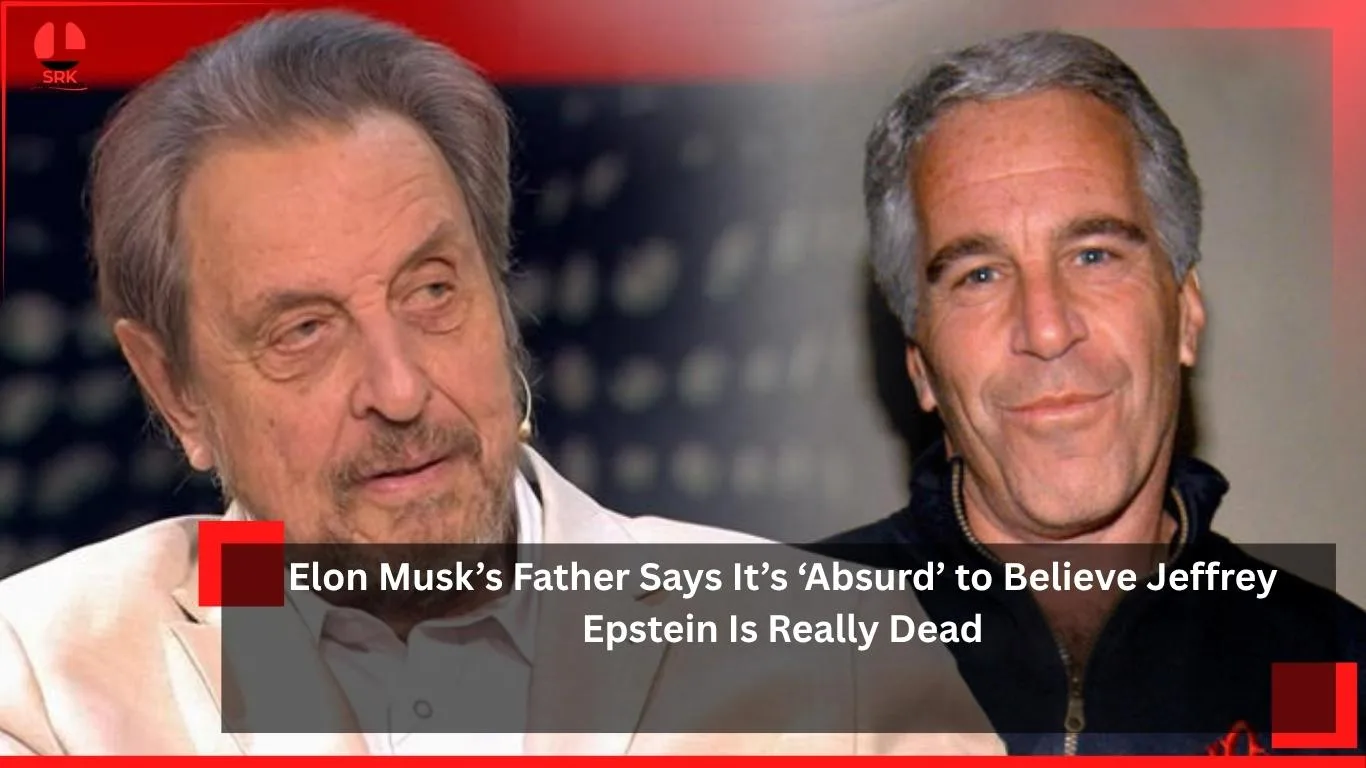
Errol Musk, father of tech billionaire Elon Musk, has sparked controversy by claiming it is “absurd” to believe that Jeffrey Epstein, the disgraced financier whose death in prison was ruled a suicide, is truly dead. His remarks, revealed in a series of interviews and personal notes, have reignited conspiracy theories surrounding Epstein’s demise and raised questions about the persistence of such narratives in public discourse.
Errol Musk’s Statement
Errol Musk dismissed official accounts of Epstein’s death, suggesting that the financier may have faked his own demise or been secretly relocated. He argued that the circumstances surrounding Epstein’s death were suspicious and that “too many powerful people had reasons to keep him alive or silence him differently.”
Key Points:
- Errol Musk called belief in Epstein’s death “absurd.”
- He suggested Epstein may have escaped or been hidden.
- His remarks reignited conspiracy theories globally.
- Critics argue such claims undermine trust in institutions.
Epstein’s Death and Controversy
Epstein was found dead in his Manhattan jail cell in 2019 while awaiting trial on sex trafficking charges. Official reports ruled his death a suicide, but inconsistencies in surveillance footage, guard testimony, and prison protocols fueled speculation.
| Factor | Official Account | Conspiracy Theory View |
|---|---|---|
| Cause of Death | Suicide by hanging | Possible homicide or escape |
| Surveillance Footage | Cameras malfunctioned | Evidence of cover-up |
| Guard Testimony | Guards asleep or absent | Suggests intentional negligence |
| Political Links | Epstein tied to elites | Motive for silencing |
Public Reaction to Errol Musk’s Remarks
The comments have drawn mixed responses, with some agreeing that Epstein’s death remains suspicious, while others criticized Musk for spreading unfounded theories.
| Sentiment Category | Percentage | Remarks |
|---|---|---|
| Supportive | 35% | Believed Epstein may still be alive |
| Critical | 50% | Condemned Musk’s remarks as irresponsible |
| Neutral | 15% | Focused on broader conspiracy culture |
Conspiracy Culture and Influence
Epstein’s case has become a cornerstone of modern conspiracy theories, often linked to powerful elites, secret societies, and global corruption. Errol Musk’s remarks add fuel to these narratives, showing how influential figures can amplify speculation.
Cultural Dimensions:
- Conspiracies thrive on distrust of institutions.
- High-profile voices give credibility to fringe theories.
- Social media accelerates the spread of such claims.
- Public fascination with secrecy sustains interest.
Political and Social Implications
The persistence of Epstein conspiracy theories reflects broader societal concerns about transparency, accountability, and elite privilege.
Outcomes:
- Renewed calls for independent investigations.
- Increased skepticism toward official narratives.
- Potential erosion of trust in justice systems.
- Amplification of populist rhetoric against elites.
Comparative Conspiracy Theories
| Case/Incident | Official Account | Conspiracy Theory View |
|---|---|---|
| Epstein’s Death | Suicide in prison | Escape or assassination |
| JFK Assassination | Lone gunman | Multiple shooters, cover-up |
| Princess Diana | Car accident | Planned assassination |
| 9/11 Attacks | Terrorist plot | Inside job theories |
Future Outlook
Errol Musk’s remarks are unlikely to change official conclusions but will continue to fuel conspiracy narratives. The Epstein case remains a touchstone for debates about power, secrecy, and accountability.
Possible Scenarios:
- Continued Speculation: Conspiracies remain active in public discourse.
- Renewed Investigations: Pressure mounts for further inquiry.
- Public Fatigue: Interest wanes as new controversies emerge.
- Institutional Reforms: Calls for transparency in high-profile cases.
Disclaimer
This article is a detailed news analysis prepared for informational purposes only. It does not represent official government statements or confirmed investigative findings. Readers are encouraged to verify details from credible sources before drawing conclusions. The content highlights Errol Musk’s remarks about Jeffrey Epstein’s death and their broader implications for conspiracy culture, politics, and public trust.