



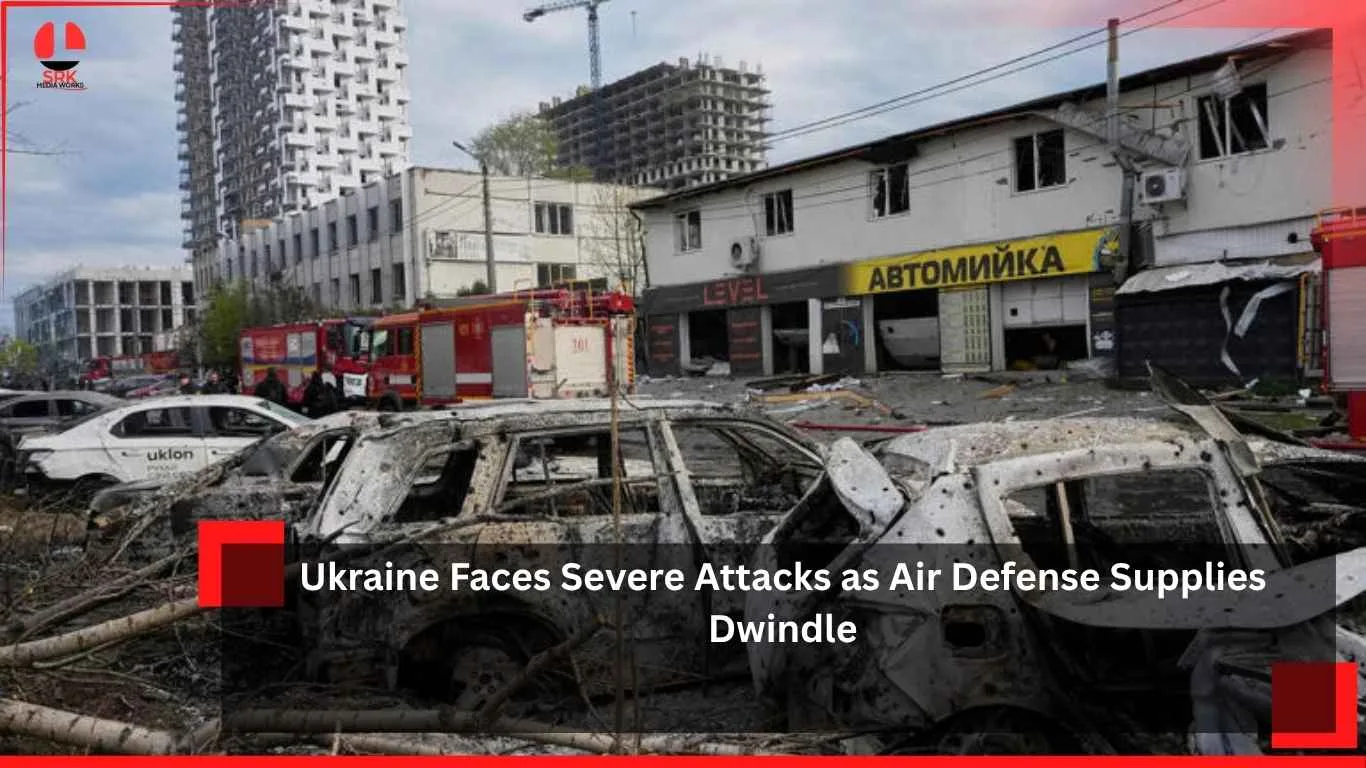
Ukraine is facing one of its most challenging phases in the ongoing war with Russia, as relentless missile and drone strikes continue to target critical infrastructure and civilian areas. Military experts warn that Kyiv’s air defense supplies are running dangerously low, raising concerns about the country’s ability to withstand the next wave of Russian offensives.
Intensified Russian Strikes
Russian forces have escalated their attacks, deploying waves of drones and long-range missiles aimed at crippling Ukraine’s energy grid, transportation hubs, and military installations.
Key Developments:
- Missile Barrages: Russia launched dozens of cruise and ballistic missiles in recent weeks.
- Drone Swarms: Iranian-made Shahed drones have been used extensively to overwhelm defenses.
- Civilian Impact: Power outages reported in major cities, with hospitals and schools affected.
- Military Pressure: Ukrainian forces stretched thin across multiple fronts.
| Attack Type | Frequency (Recent Weeks) | Impact on Ukraine |
|---|---|---|
| Cruise Missiles | 40+ launches | Energy grid damage |
| Ballistic Missiles | 20+ strikes | Infrastructure destruction |
| Shahed Drones | 100+ deployed | Civilian casualties, defense strain |
| Artillery Shelling | Daily bombardments | Frontline pressure |
Air Defense Shortages
Ukraine’s air defense systems, including U.S.-supplied Patriot batteries and German IRIS-T units, are running low on interceptors.
Challenges:
- Limited Stockpiles: Interceptor missiles are expensive and difficult to replace quickly.
- High Demand: Daily attacks deplete supplies faster than allies can replenish.
- Logistical Delays: Deliveries from NATO partners slowed by production bottlenecks.
- Strategic Risk: Gaps in coverage leave cities vulnerable.
| Air Defense System | Current Status | Notes |
|---|---|---|
| Patriot Batteries | Operational but low stocks | U.S.-supplied, high demand |
| IRIS-T Systems | Limited interceptors | German-made, effective but scarce |
| NASAMS | Moderate availability | Used for medium-range defense |
| S-300 (Legacy) | Aging, parts scarce | Soviet-era system still in use |
International Support
Ukraine’s allies are working to address the shortages, but production and delivery timelines remain a challenge.
Support Highlights:
- U.S. Aid: Additional Patriot interceptors pledged, but delivery expected months later.
- European Partners: Germany and Norway increasing production of IRIS-T and NASAMS.
- NATO Coordination: Joint efforts to pool resources for Ukraine’s defense.
- Financial Assistance: Billions in aid packages approved to sustain military operations.
Civilian Impact
The dwindling air defense supplies have direct consequences for civilians, as more missiles and drones penetrate Ukrainian skies.
| Civilian Area | Impact Reported |
|---|---|
| Kyiv | Power outages, damaged hospitals |
| Kharkiv | Residential buildings destroyed |
| Odesa | Port facilities targeted |
| Dnipro | Schools and factories hit |
Expert Analysis
Military analysts warn that without immediate replenishment, Ukraine risks losing control of its skies.
Insights:
- Russia’s strategy is to exhaust Ukraine’s defenses before launching larger offensives.
- Ukraine’s reliance on Western technology makes supply chains critical.
- Civilian morale remains strong, but prolonged vulnerability could weaken resilience.
- NATO faces pressure to accelerate production and delivery of defense systems.
Political Implications
The crisis has sparked debates among NATO members about balancing their own defense needs with Ukraine’s urgent requirements.
Outcomes:
- Renewed calls for faster military aid.
- Pressure on defense industries to expand production.
- Political debates in Europe over long-term commitments.
- Increased urgency in diplomatic talks to prevent escalation.
Future Outlook
Ukraine’s ability to withstand Russian attacks depends heavily on the speed and scale of international support.
Possible Scenarios:
- Rapid Replenishment: NATO accelerates deliveries, stabilizing Ukraine’s defenses.
- Continued Shortages: Russia exploits gaps, increasing civilian casualties.
- Diplomatic Breakthrough: Negotiations reduce intensity of attacks.
- Escalation: Russia intensifies strikes, forcing Ukraine into defensive retreat.
Disclaimer
This article is a detailed news analysis prepared for informational purposes only. It does not represent official government statements or confirmed battlefield reports. Readers are encouraged to verify details from credible sources before drawing conclusions. The content highlights Ukraine’s current air defense challenges and their broader implications for the war against Russia.