





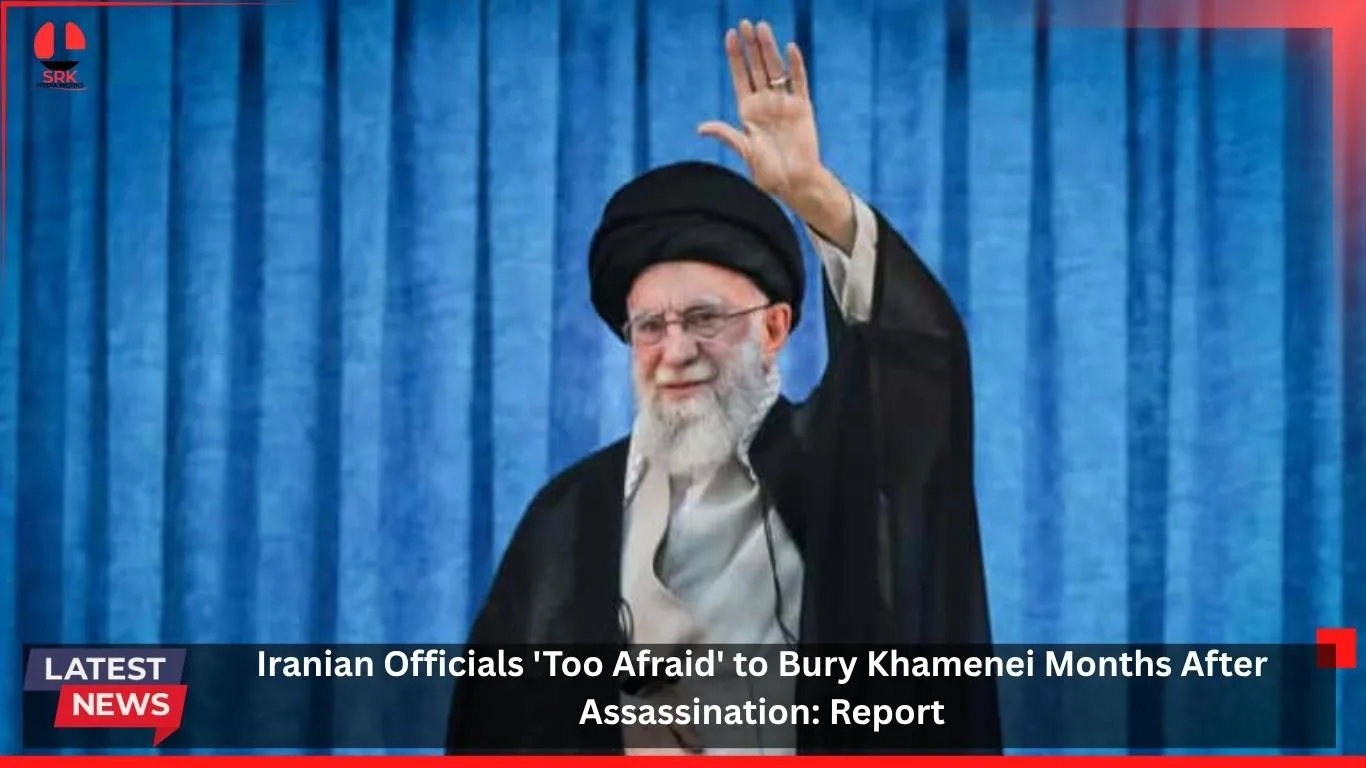
Reports emerging from Iran suggest that senior officials remain hesitant to bury Supreme Leader Ayatollah Ali Khamenei months after his alleged assassination. According to sources, the delay stems from fears of political instability, public backlash, and internal divisions within the regime. The extraordinary situation has raised questions about the future of Iran’s leadership and the implications for regional geopolitics.
The Reported Assassination and Aftermath
While details remain murky, claims indicate that Khamenei was assassinated several months ago. However, Iranian authorities have not officially confirmed his death, and the absence of a burial has fueled speculation about internal power struggles.
- Fear of Public Reaction: Officials reportedly worry that announcing and burying Khamenei could trigger mass unrest.
- Factional Divisions: Rival groups within the regime are said to be debating succession plans.
- Symbolic Delay: The burial of a leader of Khamenei’s stature carries immense symbolic weight, making hesitation politically significant.
Historical Context
Iran has faced leadership crises before, but the secrecy surrounding Khamenei’s reported death is unprecedented. Traditionally, the burial of a Supreme Leader is a highly orchestrated event meant to project unity and strength.
| Leader | Circumstances of Death | Burial Timeline | Political Impact |
|---|---|---|---|
| Ayatollah Khomeini | Natural causes, 1989 | Immediate, massive funeral | Smooth succession |
| Ayatollah Khamenei | Reported assassination | Delayed, no burial | Uncertainty, speculation |
Analytical Pivot
| Factor | Officials’ Perspective | Public Perspective |
|---|---|---|
| Burial Delay | Prevent unrest, buy time | Signals instability, secrecy |
| Succession | Internal power struggle | Lack of transparency |
| Symbolism | Protect regime image | Erodes trust in leadership |
| Regional Impact | Maintain control | Raises doubts about Iran’s stability |
Strategic Implications
- For Iran: The delay undermines credibility and exposes internal divisions.
- For the Region: Neighboring countries monitor closely, fearing instability could spill over.
- For Global Powers: The uncertainty complicates diplomatic and security strategies.
- For the Public: Growing distrust may fuel protests and opposition movements.
Reactions
- Opposition Groups: Claim the secrecy reflects regime weakness.
- International Analysts: Warn that instability could reshape regional dynamics.
- Iranian Citizens: Express confusion and frustration over the lack of transparency.
- Global Media: Highlight the unusual delay as evidence of political turmoil.
Broader Context
Iran’s political system is built around the authority of the Supreme Leader. Any disruption in succession threatens the regime’s stability. The reported assassination and delayed burial of Khamenei highlight vulnerabilities in a system that relies heavily on centralized authority.
Challenges Ahead
- Succession Crisis: Identifying and agreeing on a new Supreme Leader remains contentious.
- Public Unrest: Delays risk fueling protests and opposition movements.
- Regional Security: Instability in Iran could affect conflicts in Iraq, Syria, and Lebanon.
- Diplomatic Fallout: Global powers may struggle to engage with a regime in transition.
Future Outlook
The future of Iran’s leadership hinges on how officials handle Khamenei’s reported death and burial. If delays continue, speculation and unrest may grow. A transparent succession process could stabilize the situation, but internal divisions make this unlikely. The outcome will shape Iran’s domestic politics and its role in regional geopolitics.
Conclusion
Reports that Iranian officials are “too afraid” to bury Ayatollah Ali Khamenei months after his alleged assassination highlight the depth of uncertainty within the regime. The delay reflects fears of unrest, factional struggles, and the immense symbolic weight of burying a Supreme Leader. As speculation grows, the world watches closely to see how Iran navigates this unprecedented crisis.
Disclaimer
This article is based on publicly available reports and analytical perspectives. It does not represent official government positions. The content is intended for informational purposes only, highlighting political developments and their implications. Readers are encouraged to consult multiple sources for a comprehensive understanding of the subject matter.