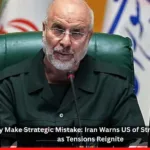

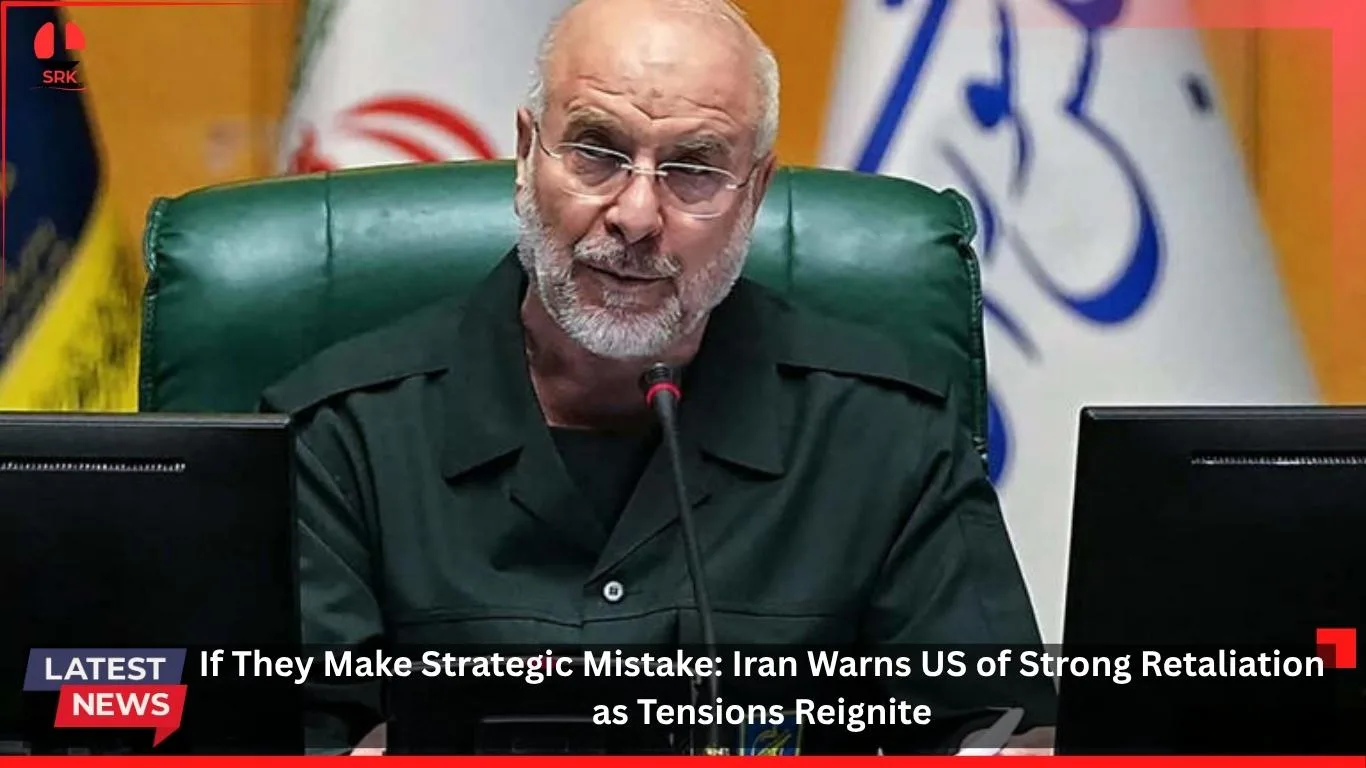
Iran has issued a stern warning to the United States, declaring that any “strategic mistake” by Washington will be met with strong retaliation. The statement comes amid renewed tensions in West Asia, where military maneuvers, sanctions, and diplomatic standoffs have reignited fears of escalation. Iranian officials emphasized that their armed forces are prepared to respond decisively to any provocation, signaling that the fragile balance in the region could tip into confrontation if missteps occur.
Iran’s Warning
Senior Iranian leaders stated that the country’s military is fully capable of retaliating against U.S. actions. They stressed that Iran’s defense systems, missile capabilities, and regional alliances would be mobilized in the event of a perceived strategic error by Washington.
- Preparedness: Iran claims its forces are on high alert.
- Deterrence: The warning is intended to discourage U.S. military action.
- Regional Messaging: Signals to allies and adversaries that Iran will not tolerate aggression.
US-Iran Tensions
The relationship between Washington and Tehran has been fraught with hostility for decades, but recent developments have heightened the risk of conflict. Sanctions, military deployments, and proxy confrontations have all contributed to the current climate.
| Issue | US Position | Iran’s Position |
|---|---|---|
| Sanctions | Maintain pressure | Denounce as economic warfare |
| Military Presence | Secure regional allies | View as provocation |
| Nuclear Program | Prevent weaponization | Assert peaceful intent |
| Regional Influence | Limit Iran’s reach | Expand alliances and proxies |
Analytical Pivot
| Factor | Iran’s Perspective | US Perspective |
|---|---|---|
| Strategic Mistake | Justifies retaliation | Necessary deterrence |
| Military Balance | Showcase strength | Maintain dominance |
| Diplomatic Path | Conditional engagement | Pressure before talks |
| Regional Stability | Protect sovereignty | Secure allies and trade routes |
Strategic Implications
- For Iran: Reinforces its image as a resilient power unwilling to bow to U.S. pressure.
- For the US: Raises the stakes of military maneuvers and sanctions enforcement.
- For Regional Powers: Gulf states and Israel monitor closely, fearing spillover effects.
- For Global Markets: Oil prices remain vulnerable to disruption in the Strait of Hormuz.
Reactions
- Iranian Officials: Asserted that retaliation would be swift and decisive.
- US Leaders: Emphasized readiness but avoided direct escalation.
- Regional Analysts: Warned that miscalculation could trigger widespread conflict.
- Global Observers: Highlighted the risks to energy security and diplomatic stability.
Broader Context
The warning comes amid a backdrop of military exercises, sanctions enforcement, and proxy conflicts across West Asia. Iran’s emphasis on retaliation reflects its broader strategy of deterrence, while the U.S. continues to project military strength in the region. The fragile balance underscores the risks of missteps that could ignite a larger confrontation.
Challenges Ahead
- Diplomatic Deadlock: Limited channels for negotiation increase risks of escalation.
- Military Risks: Any miscalculation could lead to significant casualties.
- Economic Strain: Sanctions continue to pressure Iran’s economy.
- Regional Alliances: Proxy groups could be mobilized, widening the conflict.
Future Outlook
The trajectory of US-Iran relations will depend on whether diplomacy can prevail over confrontation. If tensions continue to escalate, the risk of conflict will grow. However, if both sides exercise restraint, there may be opportunities for dialogue that could stabilize the region.
Conclusion
Iran’s warning that it will retaliate strongly if the US makes a “strategic mistake” highlights the precarious nature of current tensions in West Asia. The statement underscores Iran’s determination to defend its sovereignty and signals the risks of miscalculation in a volatile region. As both sides maneuver for advantage, the world watches closely to see whether diplomacy or confrontation will define the next chapter of US-Iran relations.
Disclaimer
This article is based on publicly available reports and political statements. It does not represent official government positions. The content is intended for informational purposes only, highlighting geopolitical developments and their implications. Readers are encouraged to consult multiple sources for a comprehensive understanding of the subject matter.