




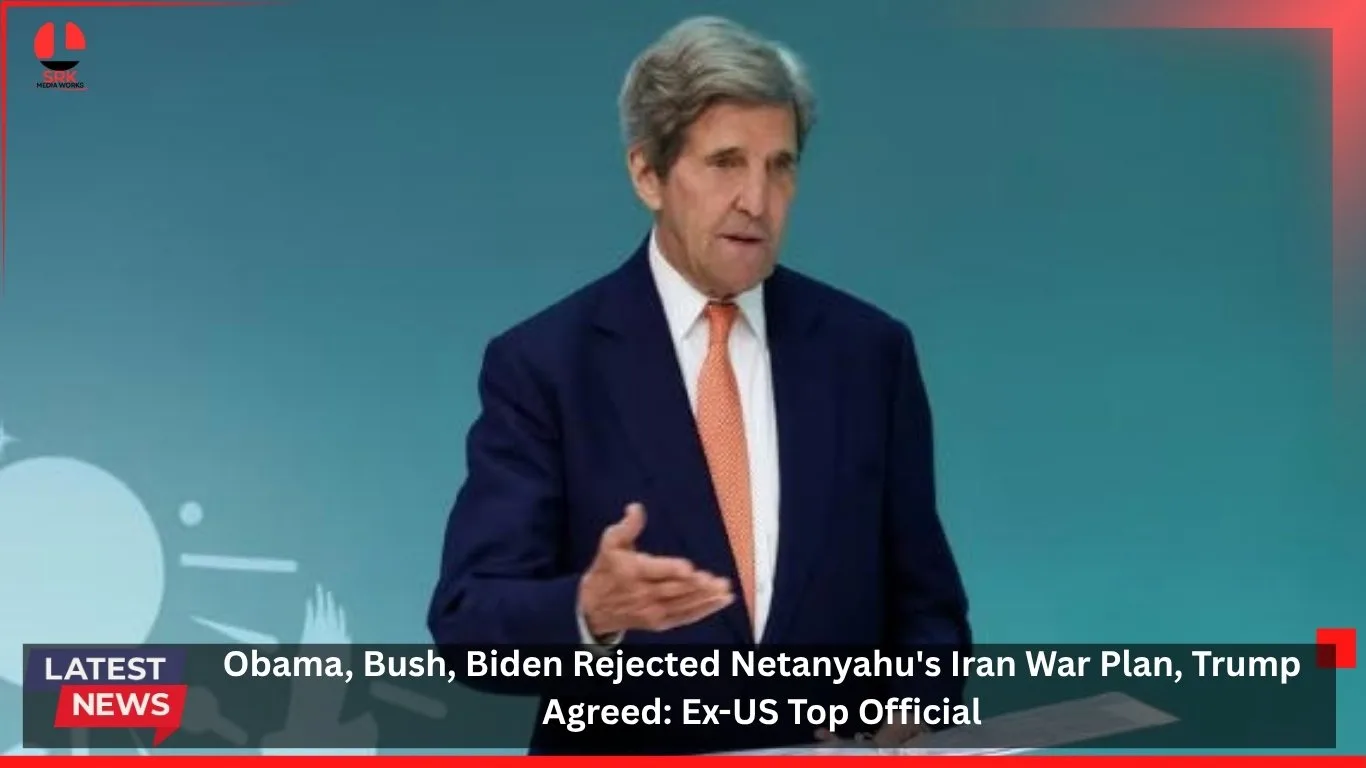
A former senior US official has revealed that multiple American presidents—George W. Bush, Barack Obama, and Joe Biden—rejected Israeli Prime Minister Benjamin Netanyahu’s proposals for a military strike against Iran. However, the official claimed that Donald Trump was the only US president who agreed with Netanyahu’s plan, marking a sharp divergence in Washington’s approach to Middle East security.
Key Highlights
- Netanyahu’s Proposal: Israeli Prime Minister sought US backing for military action against Iran.
- Presidential Responses: Bush, Obama, and Biden rejected the plan; Trump reportedly agreed.
- Strategic Concerns: US leaders feared escalation and destabilization in West Asia.
- Diplomatic Fallout: The revelation underscores divisions in US-Israel policy coordination.
Background of the Iran War Plan
Netanyahu has long argued that Iran’s nuclear program poses an existential threat to Israel. His proposals to US presidents centered on preemptive military strikes to dismantle Iran’s nuclear infrastructure.
| US President | Response to Netanyahu’s Plan | Reason for Position |
|---|---|---|
| George W. Bush | Rejected | Risk of regional escalation |
| Barack Obama | Rejected | Pursued diplomacy via JCPOA |
| Joe Biden | Rejected | Advocates sanctions and diplomacy |
| Donald Trump | Agreed | Hardline stance against Iran |
Why Bush, Obama, and Biden Rejected the Plan
- Bush Administration: Concerned about destabilizing Iraq and Afghanistan amid ongoing wars.
- Obama Administration: Focused on diplomacy, leading to the Joint Comprehensive Plan of Action (JCPOA).
- Biden Administration: Emphasized sanctions and negotiations, avoiding direct military confrontation.
Trump’s Agreement with Netanyahu
According to the former official, Trump aligned with Netanyahu’s hardline stance, supporting the idea of military action against Iran. His administration withdrew from the JCPOA and imposed maximum pressure through sanctions, signaling openness to more aggressive measures.
Strategic Implications
The revelation highlights the contrasting approaches of US presidents toward Iran:
- Diplomacy vs Military Action: Most administrations favored negotiations, while Trump leaned toward confrontation.
- Regional Stability: Military action risked destabilizing West Asia and global oil markets.
- US-Israel Relations: Differences in strategy created friction, except during Trump’s tenure.
| Approach | Impact |
|---|---|
| Diplomacy | Reduced tensions, temporary nuclear limits |
| Sanctions | Economic pressure, limited success |
| Military Action | Risk of escalation, global instability |
Expert Opinions
Analysts argue that the rejection of Netanyahu’s plan by Bush, Obama, and Biden reflects a consistent US policy of avoiding direct military conflict with Iran. Trump’s agreement, however, underscores his administration’s unique alignment with Israel’s hardline position.
Conclusion
The disclosure that Bush, Obama, and Biden rejected Netanyahu’s Iran war plan while Trump agreed highlights the sharp contrasts in US foreign policy across administrations. The divergence underscores the delicate balance between diplomacy, sanctions, and military options in addressing Iran’s nuclear ambitions and regional influence.
Disclaimer
This article is a journalistic analysis based on public statements and geopolitical insights. It does not constitute endorsement of any political leader or confirmation of classified military strategies. Readers are encouraged to follow verified government and institutional updates for accurate information.