




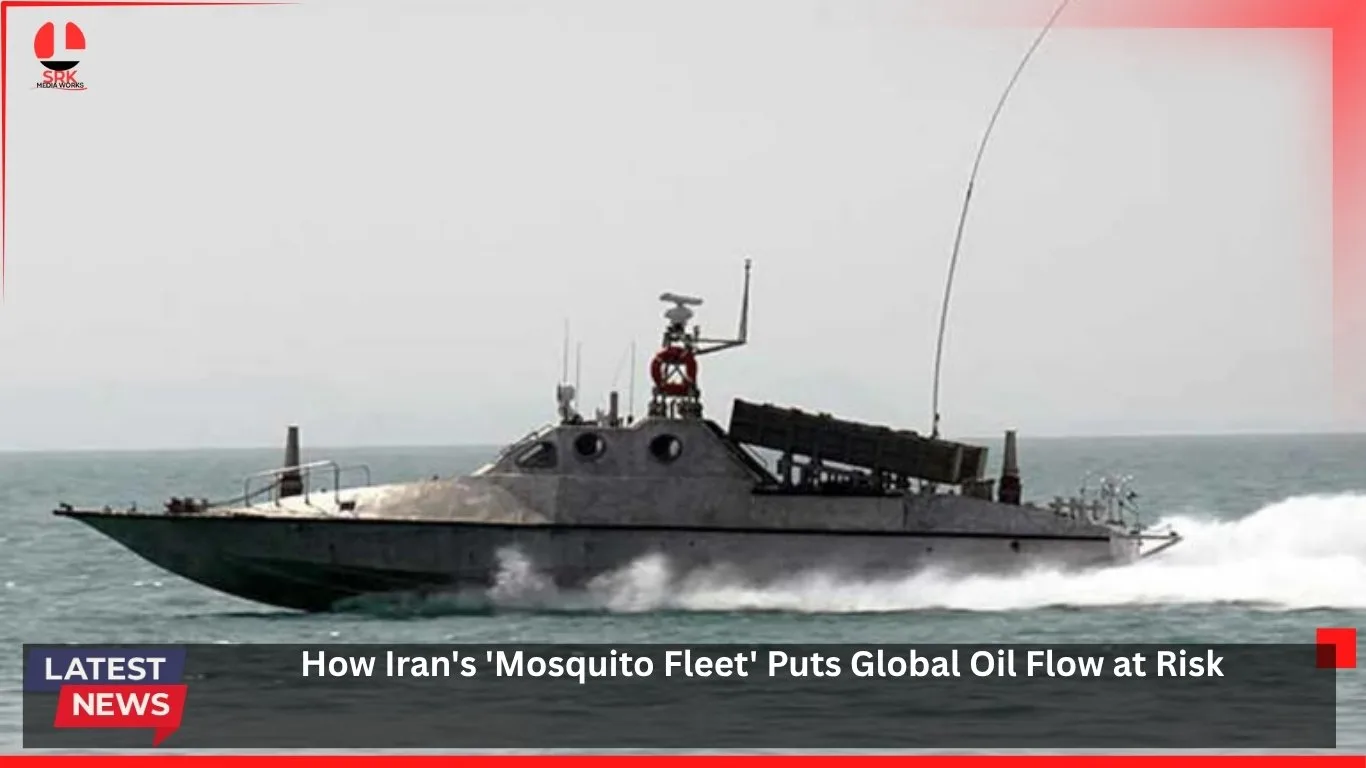
Iran’s naval strategy has increasingly relied on what military analysts call the “mosquito fleet”—small, fast, and heavily armed boats designed to disrupt shipping lanes in the Persian Gulf and Strait of Hormuz. While these vessels are far less sophisticated than traditional warships, their sheer numbers, speed, and ability to swarm larger vessels make them a serious threat to global oil flows.
Key Highlights
- Mosquito Fleet Defined: Small, fast boats armed with missiles, mines, and machine guns.
- Strategic Location: Operates in the Strait of Hormuz, a chokepoint for global oil trade.
- Global Risk: Threatens nearly 20% of the world’s oil supply passing through the strait.
- Iran’s Strategy: Asymmetric warfare designed to offset conventional naval disadvantages.
What Is the Mosquito Fleet?
Iran’s mosquito fleet consists of hundreds of small, fast-attack craft capable of swarming larger vessels. These boats are inexpensive to build and maintain but can carry anti-ship missiles, rockets, and even mines.
| Feature | Description |
|---|---|
| Size | Small, fast boats |
| Armament | Missiles, rockets, machine guns |
| Tactics | Swarming larger vessels |
| Cost | Low compared to warships |
Strategic Importance of the Strait of Hormuz
The Strait of Hormuz is one of the world’s most critical maritime chokepoints. Roughly 20% of global oil passes through this narrow waterway, making it a prime target for disruption.
| Factor | Detail |
|---|---|
| Oil Flow | ~20% of global supply |
| Geography | Narrow strait, easy to block |
| Vulnerability | Tankers exposed to small boat attacks |
| Global Impact | Oil price spikes, supply chain disruption |
Iran’s Asymmetric Strategy
Iran’s reliance on the mosquito fleet reflects its asymmetric warfare doctrine. Lacking the resources to build large warships, Iran instead focuses on tactics that exploit vulnerabilities in global shipping.
- Swarming Attacks: Overwhelming larger vessels with numbers.
- Mine Deployment: Blocking shipping lanes with naval mines.
- Missile Strikes: Targeting oil tankers and naval escorts.
- Psychological Impact: Creating uncertainty in global markets.
Global Oil Market Risks
Disruption in the Strait of Hormuz could cause immediate spikes in oil prices and destabilize global markets.
| Scenario | Impact |
|---|---|
| Minor Disruption | Temporary price increase |
| Major Attack | Severe supply chain disruption |
| Prolonged Conflict | Global recession risk |
Responses from Global Powers
- United States: Maintains naval presence to secure shipping lanes.
- European Nations: Deploy patrols and escorts for oil tankers.
- Asian Importers: Seek alternative routes and stockpile reserves.
- Gulf States: Invest in pipelines bypassing the Strait of Hormuz.
Expert Opinions
Military experts warn that while Iran’s mosquito fleet cannot defeat conventional navies, it can inflict significant damage on oil tankers and disrupt trade. The unpredictability of swarm tactics makes them difficult to counter, raising the stakes for global energy security.
Conclusion
Iran’s mosquito fleet represents a low-cost but high-impact threat to global oil flows. By exploiting the vulnerabilities of the Strait of Hormuz, Iran can disrupt nearly one-fifth of the world’s oil supply, destabilize markets, and challenge global powers. The fleet underscores the importance of asymmetric strategies in modern warfare and the fragility of global energy security.
Disclaimer
This article is a journalistic analysis based on public statements and military assessments. It does not constitute official confirmation of naval operations or government policy. Readers are encouraged to follow verified institutional updates for accurate information.