





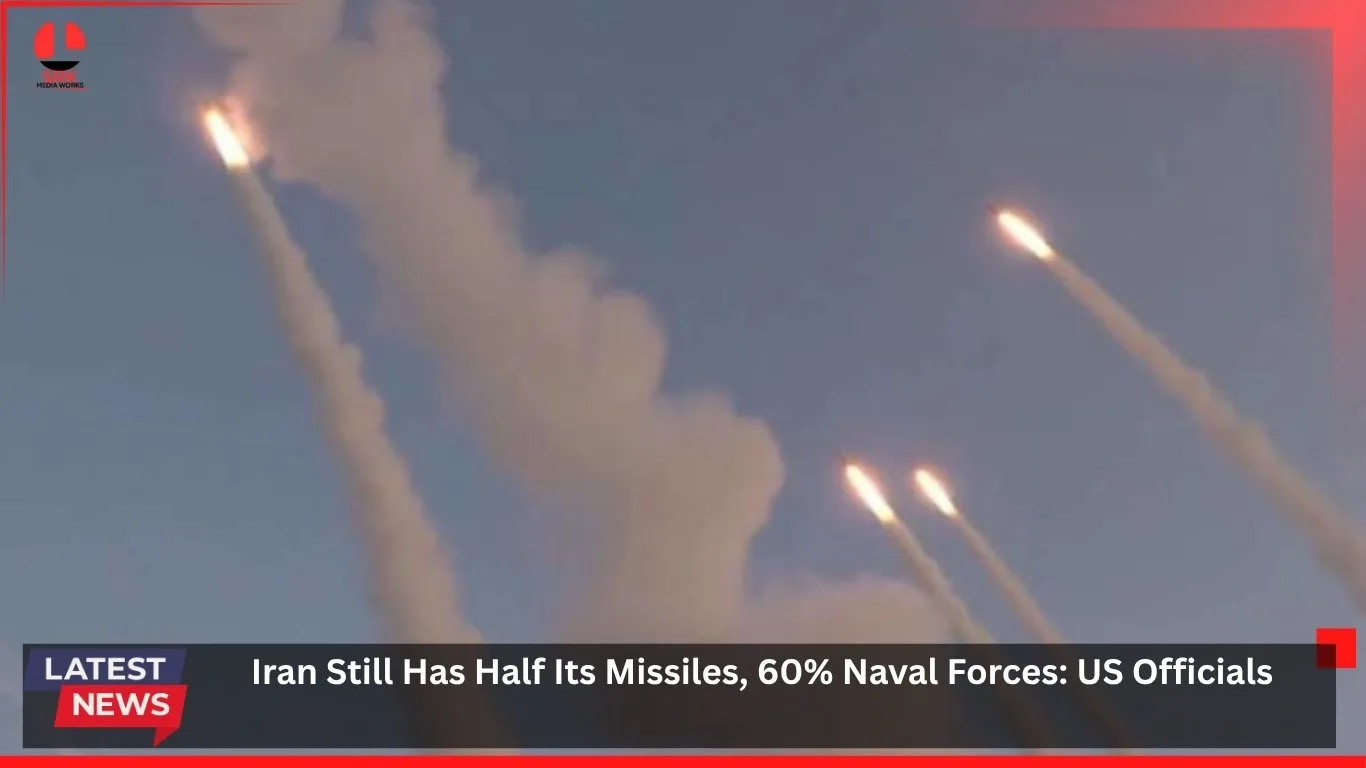
US officials have revealed that despite sustained military operations and targeted strikes, Iran retains nearly half of its missile arsenal and approximately 60% of its naval forces. The assessment underscores the resilience of Iran’s military capabilities and raises questions about the effectiveness of ongoing strategies aimed at weakening Tehran’s defense posture.
Key Findings
- Missile Arsenal: Iran still possesses around 50% of its missile stockpile, including short-range and medium-range systems.
- Naval Forces: Approximately 60% of Iran’s naval assets remain operational, including fast-attack craft and submarines.
- Resilience: Despite losses, Iran has managed to preserve significant portions of its military infrastructure.
- Strategic Concern: US officials warn that Iran’s retained capabilities could still pose a threat to regional stability.
Breakdown of Iran’s Military Capabilities
| Military Asset | Estimated Remaining Strength | Strategic Impact |
|---|---|---|
| Ballistic Missiles | 50% | Continued deterrence against regional adversaries |
| Cruise Missiles | 45% | Threat to naval and land targets |
| Naval Forces | 60% | Ability to disrupt shipping lanes |
| Air Defense Systems | 55% | Protection against aerial strikes |
| Drones | 70% | Persistent surveillance and attack capability |
This table highlights Iran’s retained military strength despite ongoing pressure.
US Officials’ Concerns
American defense leaders have expressed concern that Iran’s remaining arsenal could be used to escalate tensions in the Gulf and beyond.
- Regional Threats: Iran’s missile systems can target US bases and allied nations.
- Maritime Security: Naval forces pose risks to shipping routes in the Strait of Hormuz.
- Proxy Support: Iran continues to supply weapons to allied groups across the Middle East.
Expert Opinions
- Military Analysts: “Iran’s ability to retain half its missiles shows its resilience and strategic planning.”
- Security Experts: “Naval forces at 60% strength remain a serious challenge for maritime security.”
- Diplomatic Observers: “The US must balance military pressure with diplomatic engagement to prevent escalation.”
Historical Context of Iran’s Military Resilience
| Year | Event | Iran’s Military Status |
|---|---|---|
| 1980s | Iran-Iraq War | Heavy losses but rebuilt capabilities |
| 2000s | Sanctions era | Developed indigenous missile systems |
| 2010s | Regional conflicts | Expanded drone and naval forces |
| 2026 | Current assessment | Retains 50% missiles, 60% naval forces |
Iran’s history demonstrates its ability to adapt and rebuild despite external pressures.
Strategic Implications
The retention of significant military assets has several implications:
- Deterrence: Iran can still project power regionally.
- US Strategy: Washington may need to reassess its approach.
- Regional Stability: Allies remain concerned about Iran’s capacity to escalate conflicts.
Conclusion
The revelation that Iran still has half of its missile arsenal and 60% of its naval forces highlights the challenges facing US and allied strategies in the Middle East. While military operations have degraded Iran’s capabilities, its resilience ensures that it remains a formidable player in regional security dynamics. The findings underscore the need for a balanced approach combining military readiness with diplomatic efforts to prevent further escalation.
Disclaimer
This article is based on publicly available information and commentary regarding US officials’ assessment of Iran’s military capabilities. It is intended for informational purposes only and does not represent official statements from governments or defense agencies. Readers should rely on official sources for verified updates.