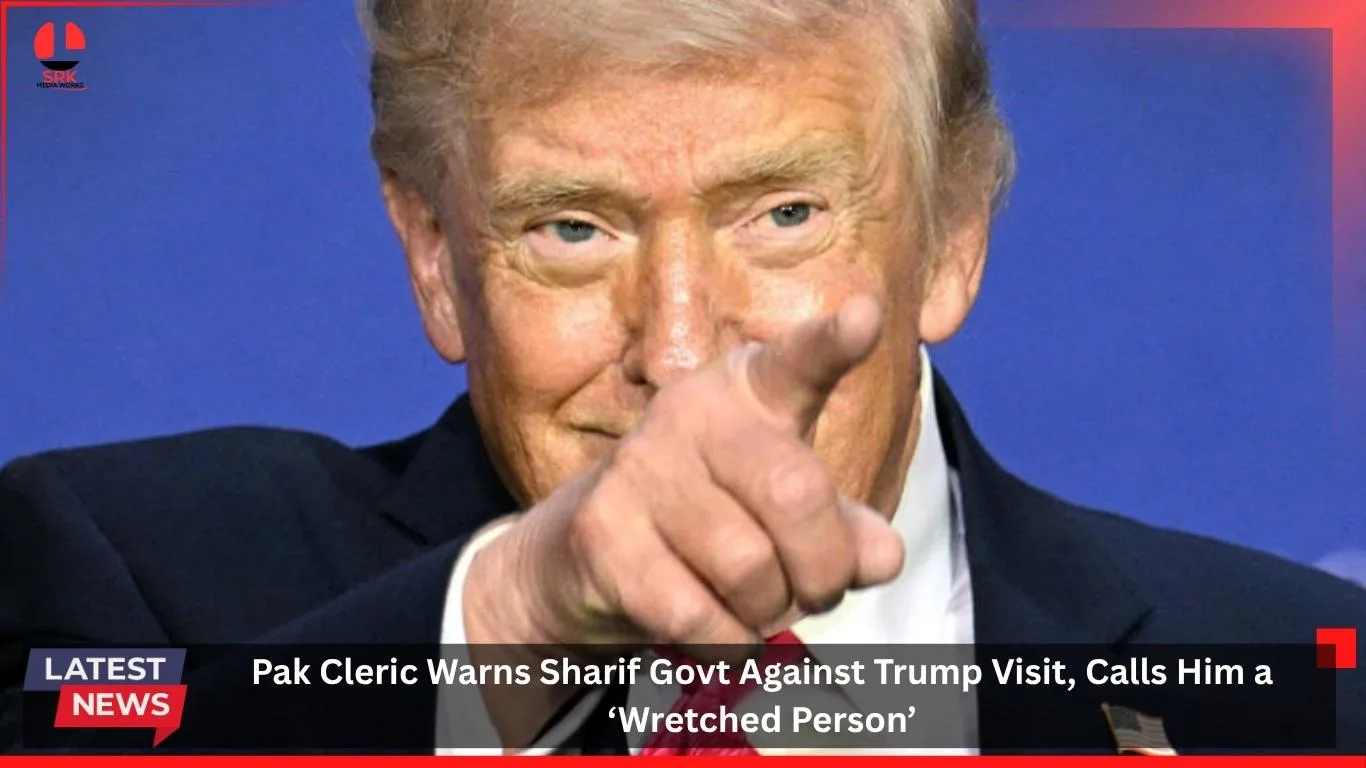



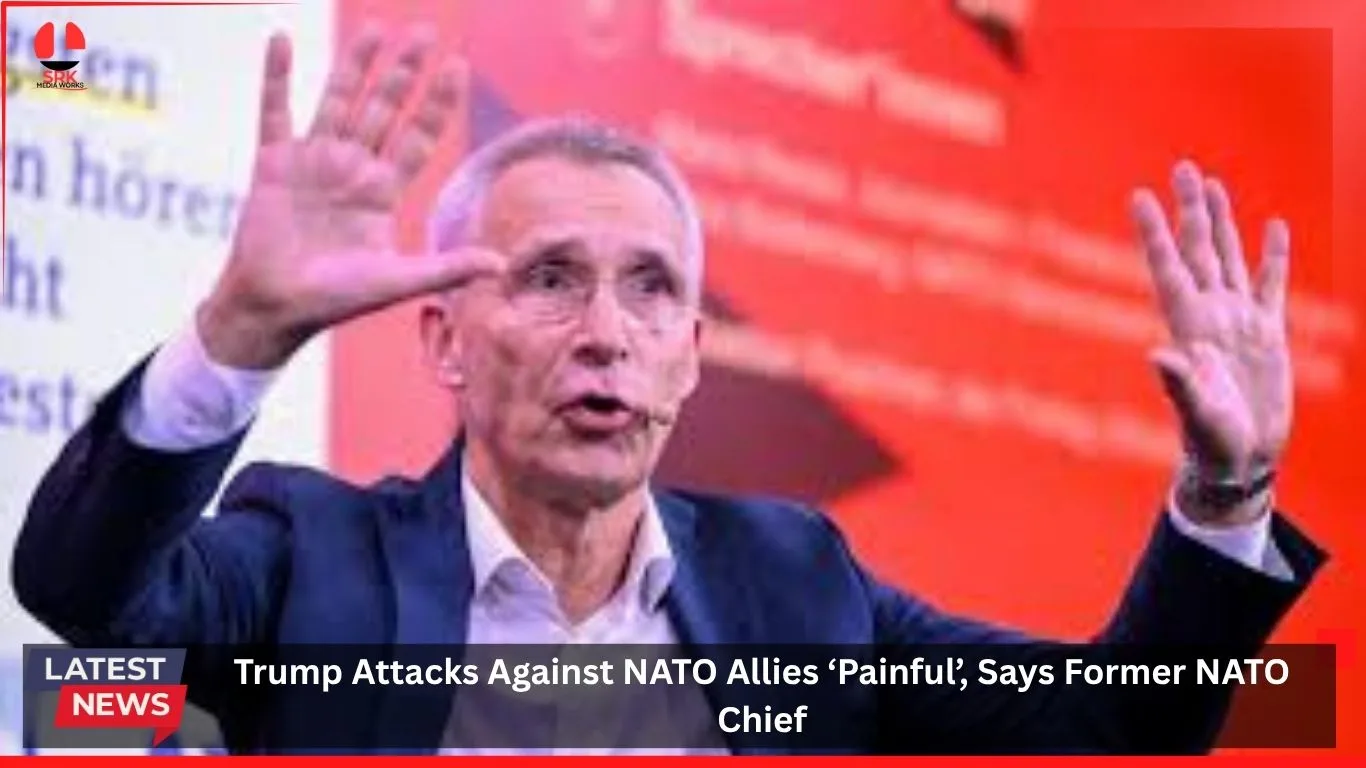
A former NATO chief has described Donald Trump’s repeated attacks against NATO allies as “painful,” warning that such rhetoric undermines the alliance’s unity and credibility at a time of heightened global security challenges. The remarks highlight growing concerns within Europe and among defence experts about the future of transatlantic cooperation.
Former NATO Chief’s Concerns
The former NATO leader emphasized that Trump’s criticism of allies for not spending enough on defence damages trust and solidarity within the alliance.
- Painful Remarks: Public attacks weaken morale and confidence among member states.
- Unity at Risk: NATO’s strength lies in collective defence, which requires mutual trust.
- Global Context: With rising tensions in Eastern Europe and the Middle East, unity is more critical than ever.
Trump’s Criticism of NATO
Trump has repeatedly accused NATO allies of failing to meet defence spending commitments, arguing that the US shoulders an unfair burden.
| Issue Raised by Trump | NATO Response | Impact |
|---|---|---|
| Defence Spending | Allies pledged 2% of GDP | Some progress, but uneven |
| Burden Sharing | US pays more than others | Strains alliance relations |
| Military Readiness | Calls for stronger forces | Mixed reactions from allies |
While Trump’s concerns about spending are not new, his public attacks have been seen as damaging to diplomatic relations.
NATO’s Strategic Importance
NATO remains the cornerstone of transatlantic security, with collective defence enshrined in Article 5 of its charter.
- Deterrence: Provides a united front against external threats.
- Coordination: Ensures military cooperation across member states.
- Credibility: Relies on solidarity and trust among allies.
Expert Opinions
- Security Analysts: “Trump’s rhetoric risks emboldening adversaries by projecting division.”
- Diplomatic Observers: “Public criticism should be replaced with constructive dialogue.”
- Military Leaders: “NATO’s credibility depends on unity, not discord.”
Historical Context of US-NATO Relations
| Year | US Position | NATO Impact |
|---|---|---|
| 1949 | Founding member | Strengthened Western security |
| 2001 | Invoked Article 5 after 9/11 | Collective response to terrorism |
| 2017–2020 | Trump criticized allies | Strained relations |
| 2026 | Renewed attacks | Concerns over alliance unity |
This timeline shows that while NATO has faced challenges, US leadership has historically been central to its success.
European Reactions
European leaders have expressed concern over Trump’s remarks:
- Germany: Stressed commitment to increasing defence spending.
- France: Called for stronger European defence autonomy.
- Eastern Europe: Worried about weakening US commitment amid Russian aggression.
Challenges Ahead
NATO faces several pressing challenges:
- Defence Spending: Ensuring all members meet commitments.
- Geopolitical Tensions: Managing threats from Russia, China, and the Middle East.
- Internal Unity: Preventing divisions caused by political rhetoric.
Conclusion
The former NATO chief’s description of Trump’s attacks as “painful” underscores the fragility of alliance unity in the face of public criticism. While NATO remains a vital pillar of global security, maintaining trust and solidarity among allies is essential. Constructive dialogue, rather than divisive rhetoric, will be key to ensuring NATO’s credibility and effectiveness in the years ahead.
Disclaimer
This article is based on publicly available information and commentary regarding Donald Trump’s remarks about NATO and the response from a former NATO chief. It is intended for informational purposes only and does not represent official statements from NATO or governments. Readers should rely on official sources for verified updates.