


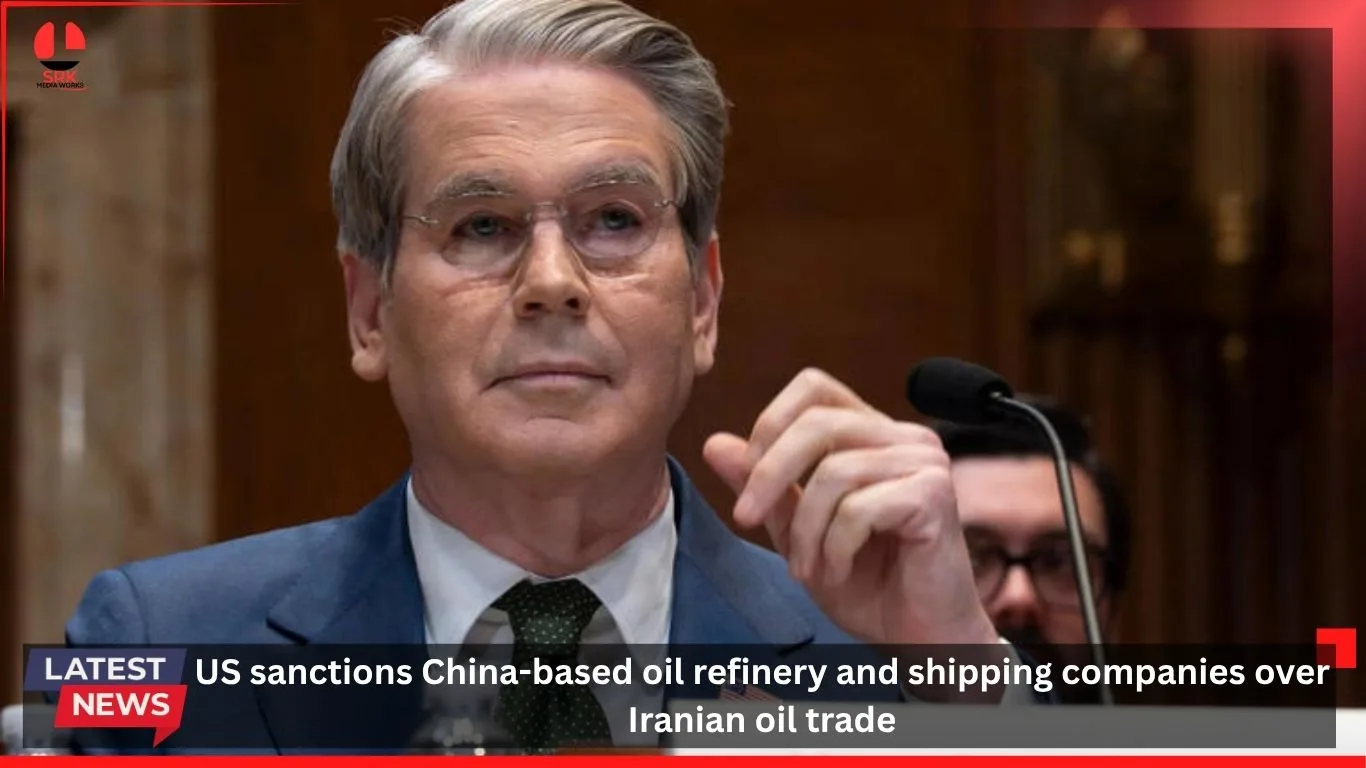
The United States has announced fresh sanctions targeting China-based oil refinery and shipping companies accused of engaging in the trade of Iranian oil. This move underscores Washington’s continued efforts to restrict Tehran’s oil exports, which remain a critical source of revenue for Iran despite longstanding international sanctions. The decision has sparked global debate, highlighting the complex interplay between geopolitics, energy markets, and international trade.
Details of the Sanctions
According to official statements, the sanctions specifically target Chinese entities that have allegedly facilitated the purchase, refining, and transportation of Iranian crude oil. These companies are accused of violating U.S. restrictions designed to curb Iran’s ability to fund its nuclear program and regional activities.
The sanctions include:
- Asset Freezes: Any U.S.-based assets belonging to the sanctioned companies will be frozen.
- Transaction Restrictions: American businesses and individuals are prohibited from engaging in transactions with these entities.
- Global Impact: Foreign companies that continue dealings with the sanctioned firms risk secondary sanctions, potentially cutting them off from the U.S. financial system.
Geopolitical Context
The sanctions come at a time of heightened tensions between Washington and Beijing. While the U.S. has long sought to isolate Iran economically, China has remained one of the largest buyers of Iranian oil, often through indirect channels. This latest move signals Washington’s intent to pressure Beijing into compliance with its sanctions regime.
Key Implications:
- US-China Relations: The sanctions could further strain already tense relations between the two global powers.
- Iran’s Economy: Tehran faces increased challenges in sustaining oil exports, a vital source of revenue.
- Global Oil Markets: The restrictions may influence oil prices and supply chains, particularly in Asia.
Reaction from China and Iran
China has historically opposed unilateral sanctions, arguing that they undermine international trade norms. Beijing is expected to criticize the move, framing it as an overreach of U.S. jurisdiction. Iran, meanwhile, has condemned the sanctions as unjust, reiterating its stance that oil exports are a sovereign right.
Comparative Reactions
| Country/Entity | Reaction to Sanctions | Potential Impact |
|---|---|---|
| China | Likely to condemn unilateral sanctions | Increased diplomatic friction with U.S. |
| Iran | Strong condemnation, calls sanctions unjust | Further economic isolation |
| United States | Justification based on curbing Iran’s oil trade | Reinforces sanctions regime |
| Global Oil Importers | Concern over supply chain disruptions | Possible rise in oil prices |
Historical Context of Iran Sanctions
Iran has faced sanctions for decades, primarily due to concerns over its nuclear program. The U.S. has consistently targeted Iran’s oil sector, recognizing its central role in funding government activities. Despite these efforts, Iran has continued to find buyers, often through complex networks involving intermediaries and shipping companies.
China’s involvement has been particularly significant, as its demand for energy makes it a natural partner for Iran. The latest sanctions highlight Washington’s determination to disrupt these networks.
Impact on Global Oil Trade
The sanctions could have ripple effects across global oil markets. While Iran’s exports represent a fraction of global supply, disruptions can still influence prices, particularly in Asia where demand is high.
Pivot Analysis: Sanctions vs. Oil Market Stability
| Factor | Positive Outcome for US Policy | Negative Outcome for Global Market |
|---|---|---|
| Restricting Iran’s Revenue | Limits Tehran’s economic power | Reduces supply, raises prices |
| Targeting Chinese Firms | Pressures Beijing to comply | Strains US-China trade relations |
| Market Stability | Reinforces sanctions regime | Creates uncertainty in oil trade |
Broader Implications for International Trade
The sanctions highlight the growing use of economic tools in geopolitical conflicts. As nations increasingly rely on sanctions to achieve foreign policy goals, businesses face greater risks in navigating international trade.
For China-based companies, the sanctions serve as a warning about the consequences of engaging with sanctioned states. For global businesses, the move underscores the importance of compliance with international regulations.
Future Outlook
The sanctions are likely to intensify debates about the effectiveness of economic restrictions. While they may limit Iran’s revenue, they also risk pushing Tehran closer to alternative partners and markets. Additionally, the move could accelerate efforts by China and other nations to develop financial systems independent of U.S. influence.
Looking ahead, the sanctions may:
- Increase Diplomatic Tensions: Between Washington and Beijing.
- Encourage Alternative Trade Routes: Iran may seek new buyers through unconventional channels.
- Influence Oil Prices: Market volatility could persist as supply chains adjust.
Conclusion
The U.S. sanctions on China-based oil refinery and shipping companies over Iranian oil trade mark a significant escalation in Washington’s efforts to curb Tehran’s economic lifeline. While the move reinforces America’s sanctions regime, it also risks deepening tensions with China and disrupting global oil markets. The long-term impact will depend on how Beijing responds, how Iran adapts, and how global markets adjust to the evolving geopolitical landscape.
Disclaimer
This article is based on publicly available information and analysis of geopolitical developments. It does not represent endorsement or opposition to any government or policy. The content is intended for informational purposes only, highlighting the dynamics of sanctions, international trade, and global energy markets. Readers are encouraged to explore diverse perspectives before forming conclusions.