







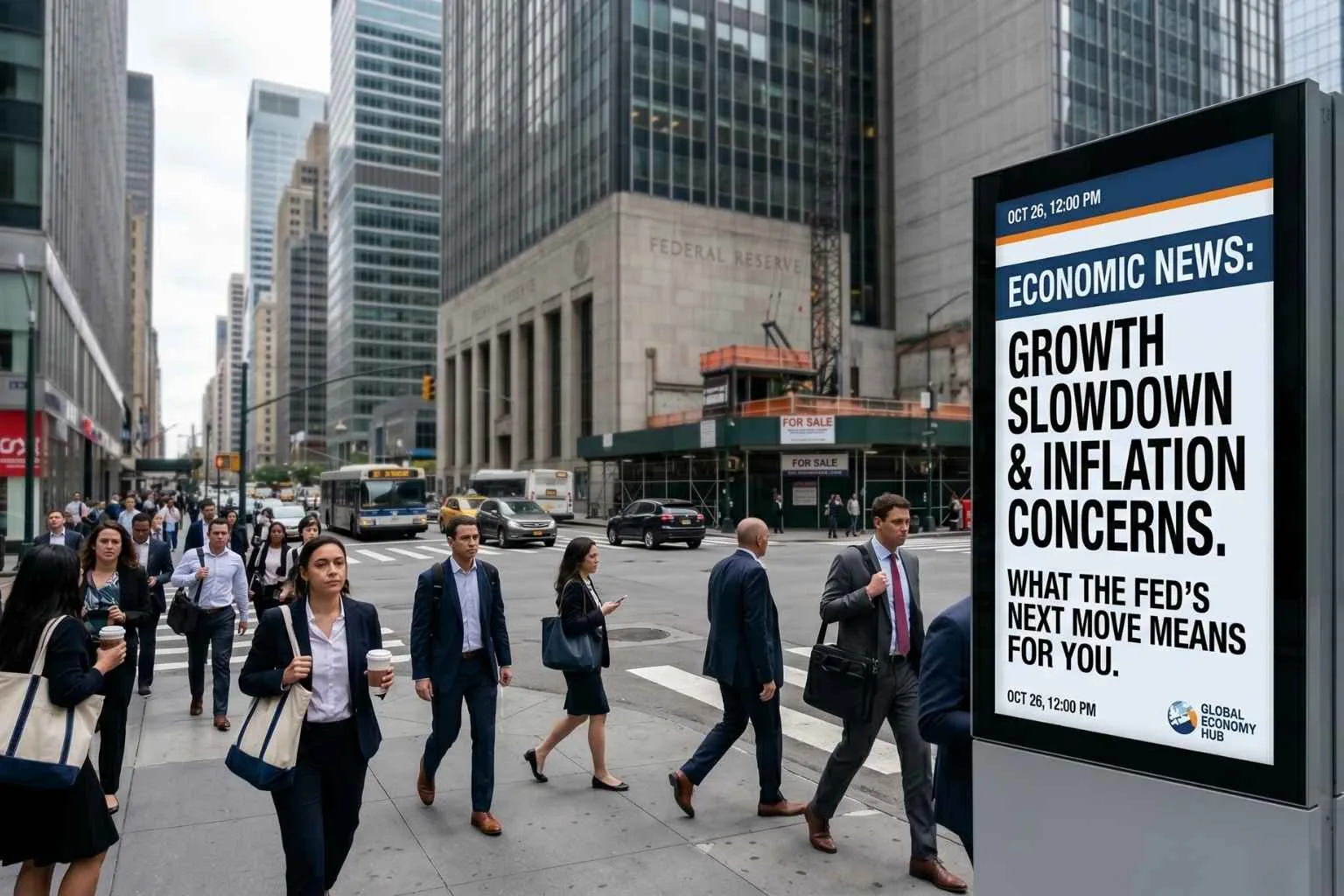
The United States economy, long regarded as one of the most resilient in the world, is now showing unmistakable signs of slowing growth. Inflationary pressures, rising interest rates, and global uncertainties are converging to create a challenging environment for households, businesses, and policymakers. While the economy has managed to avoid a deep recession in recent years, the latest indicators suggest that the road ahead may be more turbulent than previously expected.
Consumer spending, which has traditionally been the backbone of U.S. economic expansion, is beginning to weaken. Families across the country are feeling the pinch of higher prices for everyday essentials such as groceries, rent, and healthcare. Many households are cutting back on discretionary purchases, including travel, dining, and entertainment, in order to prioritize necessities. This shift in spending patterns is already being reflected in retail sales data, which shows slower growth compared to previous quarters.
The Federal Reserve’s monetary policy has played a central role in shaping the current economic landscape. In its effort to combat inflation, the Fed has kept interest rates elevated, making borrowing more expensive for consumers and businesses alike. Mortgage rates have surged to levels not seen in decades, dampening housing market activity and discouraging potential buyers. Small businesses, often reliant on affordable loans to expand operations, are reporting increased difficulty in accessing credit. While inflation has cooled compared to its peak, the persistence of elevated prices continues to erode consumer confidence.
Global factors are also contributing to the slowdown. Supply chain disruptions, geopolitical tensions, and fluctuating energy prices have added layers of uncertainty to the economic outlook. The U.S., as a major player in global trade, is not immune to these challenges. Instability in Europe and Asia has reverberated across American markets, affecting exports, imports, and investment flows. Analysts caution that unless inflation is brought under control and global conditions stabilize, the risk of a recession in the coming year cannot be ruled out.
Despite these concerns, there are areas of optimism. The labor market remains relatively strong, with unemployment hovering near historic lows. Wages have seen modest growth, though they often fail to keep pace with inflation. Certain sectors, particularly technology and renewable energy, continue to attract significant investment, signaling long-term growth potential. Policymakers face the delicate task of balancing inflation control with sustaining economic momentum, a challenge that will define the trajectory of the U.S. economy in the months ahead.
The housing market provides a clear example of the current economic strain. Rising mortgage rates have discouraged new buyers, while existing homeowners are reluctant to sell, fearing they will lose favorable loan terms. This has led to reduced housing inventory and higher prices, further complicating affordability for first-time buyers. Construction companies, meanwhile, are grappling with increased costs for materials and labor, slowing the pace of new housing developments.
Corporate America is also feeling the impact. Large companies are reporting mixed earnings, with some sectors thriving while others struggle. Technology firms continue to innovate and expand, but traditional industries such as manufacturing and retail face mounting challenges. Layoffs in certain sectors have raised concerns about the stability of the labor market, even as overall unemployment remains low. The divergence between industries highlights the uneven nature of the current economic slowdown.
Financial markets have responded with volatility. Stock indices have experienced sharp swings as investors react to economic data, Federal Reserve announcements, and global developments. Bond markets, too, have seen fluctuations, with yields rising in response to higher interest rates. While some investors view the current environment as an opportunity to buy undervalued assets, others remain cautious, preferring to wait for clearer signs of stability.
The political dimension of the economic slowdown cannot be ignored. Lawmakers are divided over the best course of action, with some advocating for increased government spending to stimulate growth, while others push for fiscal restraint to avoid exacerbating inflation. The debate is likely to intensify as elections approach, with economic performance serving as a key issue for voters. Public opinion polls suggest that many Americans are concerned about their financial future, making economic policy a central theme in political discourse.
Looking ahead, the path of the U.S. economy will depend on several factors. The Federal Reserve’s ability to manage inflation without triggering a recession will be critical. Global developments, including geopolitical tensions and energy market fluctuations, will continue to influence domestic conditions. Consumer confidence and spending patterns will play a major role in determining the pace of growth. While challenges are significant, the resilience of the American economy should not be underestimated.
In conclusion, the United States economy is at a crossroads. Inflationary pressures, rising interest rates, and global uncertainties are creating headwinds, but strong fundamentals in certain sectors provide hope for the future. Policymakers, businesses, and households must navigate this complex environment with caution and adaptability. The coming months will reveal whether the economy can sustain its momentum or whether a deeper slowdown is inevitable.
Disclaimer: This article is based on publicly available information and economic reports. It is intended for general informational purposes and should not be considered financial advice.
#USAEconomy #Inflation #FederalReserve #EconomicGrowth #USNews