
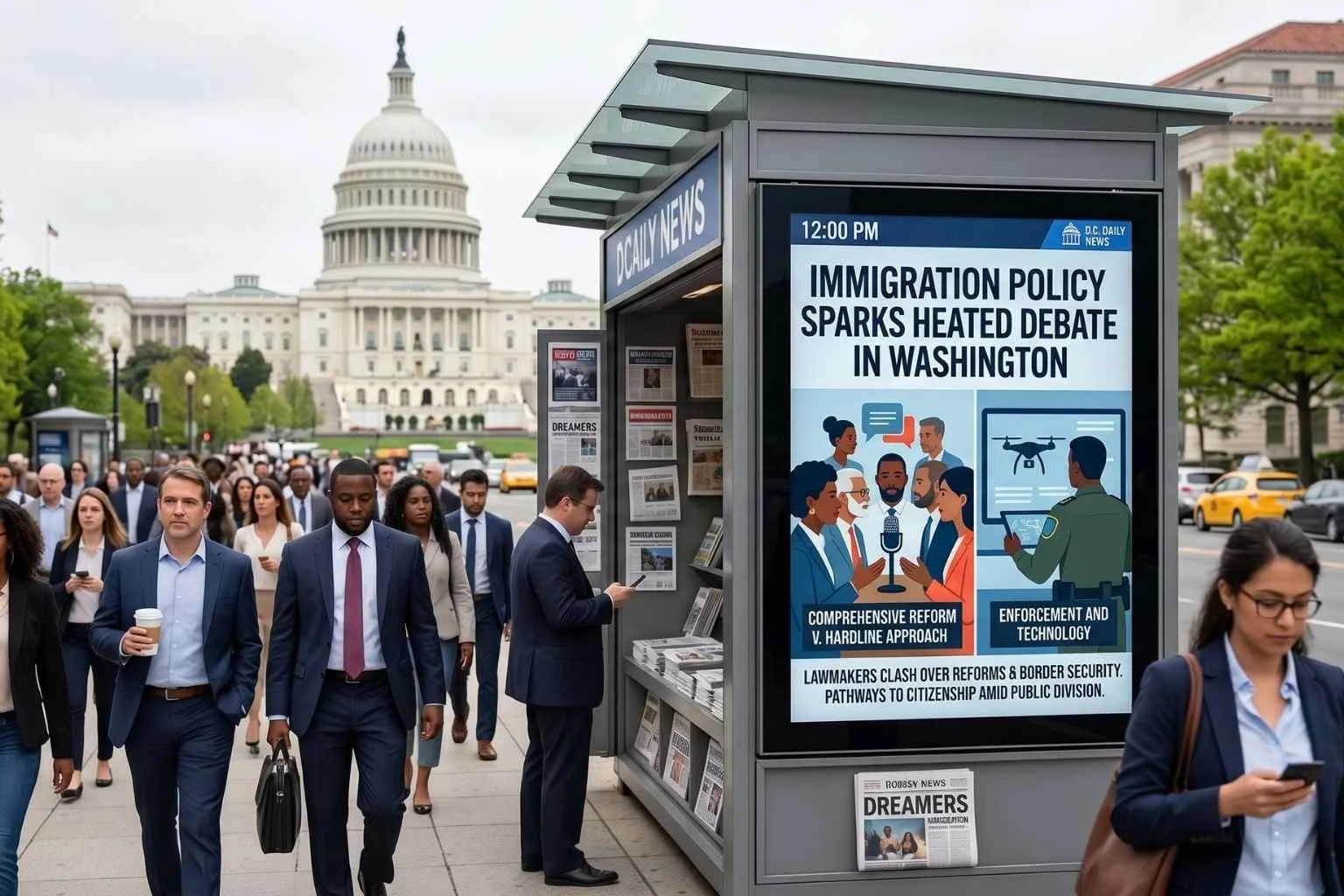
Immigration has once again taken center stage in American politics, as lawmakers clash over proposed reforms aimed at addressing border security and pathways to citizenship. The debate has intensified following reports of increased migrant crossings at the southern border, prompting calls for stronger enforcement measures. At the same time, advocacy groups are urging Congress to prioritize humanitarian concerns and provide legal protections for undocumented immigrants who have lived in the country for years.
The administration has introduced a comprehensive immigration package that seeks to balance enforcement with compassion. Key provisions include enhanced border security funding, expanded use of technology to monitor crossings, and streamlined asylum processes. Additionally, the proposal outlines a pathway to citizenship for Dreamers—individuals brought to the U.S. as children—who have long awaited legal recognition. Critics argue that the plan does not go far enough in addressing systemic issues, while opponents claim it incentivizes illegal immigration.
Public opinion remains divided. Polls show that while many Americans support stronger border controls, there is also significant backing for humane treatment of migrants and legal reforms. The issue has become a flashpoint in upcoming elections, with candidates using immigration policy to rally their bases. Business leaders have also weighed in, emphasizing the economic contributions of immigrant workers in industries ranging from agriculture to technology. They argue that immigrants fill critical labor shortages and contribute to innovation, making them essential to the nation’s economic health.
The humanitarian dimension cannot be overlooked. Reports of overcrowded detention facilities and challenges in processing asylum claims highlight the urgent need for reform. Families are often separated during detention, raising concerns about human rights violations. International organizations have called on the U.S. to uphold its commitments to humanitarian standards while managing border security effectively. The debate is far from settled, and the outcome will shape the nation’s identity and policies for years to come.
The southern border has become a symbol of the broader immigration debate. Increased crossings have strained resources in border states, leading to political battles between federal and state governments. Governors in affected states have demanded more federal assistance, while some have taken matters into their own hands by deploying state law enforcement and even the National Guard. These actions have sparked legal disputes over jurisdiction and authority, further complicating the situation.
At the same time, immigrant communities across the country are watching the debate closely. Many individuals who have lived in the U.S. for decades without legal status hope that reforms will finally provide them with a pathway to citizenship. For Dreamers, the stakes are particularly high. Having grown up in the U.S., they often identify as American in every way except legal status. The uncertainty surrounding their future has created anxiety and instability, making legislative action critical.
The economic implications of immigration policy are significant. Industries such as agriculture, construction, and hospitality rely heavily on immigrant labor. Without these workers, many businesses would struggle to operate. Economists warn that overly restrictive policies could harm the economy by creating labor shortages and driving up costs. On the other hand, opponents argue that unchecked immigration places a burden on public services and infrastructure, necessitating stricter controls.
Political divisions over immigration are stark. Some lawmakers advocate for comprehensive reform that includes both stronger enforcement and pathways to citizenship. Others push for a more hardline approach, focusing solely on border security and deportation. The debate reflects broader ideological differences about the role of government, national identity, and America’s place in the world. As elections approach, immigration is likely to remain a central issue, shaping campaign strategies and voter priorities.
Technology is playing an increasing role in immigration enforcement. The use of drones, sensors, and artificial intelligence to monitor border activity has expanded significantly. Proponents argue that these tools improve efficiency and reduce the need for physical barriers. Critics, however, raise concerns about privacy and the potential misuse of surveillance technology. The integration of technology into immigration policy highlights the evolving nature of border security in the digital age.
International relations also factor into the debate. The U.S. works closely with neighboring countries to manage migration flows, but cooperation is not always smooth. Agreements with Mexico and Central American nations aim to reduce migration by addressing root causes such as poverty and violence. However, progress has been uneven, and migration pressures remain high. The U.S. faces the challenge of balancing domestic concerns with international responsibilities in managing immigration.
The cultural dimension of immigration is equally important. Immigrants have long contributed to the diversity and vibrancy of American society. From cuisine to music to entrepreneurship, their influence is woven into the fabric of the nation. Supporters of reform argue that embracing immigration strengthens the country’s identity and global standing. Opponents, however, worry about assimilation and the preservation of traditional values. These cultural debates add another layer of complexity to the policy discussion.
In conclusion, immigration policy remains one of the most contentious issues in American politics. The clash between enforcement and compassion, economic needs and cultural concerns, domestic politics and international relations ensures that the debate will continue for years to come. The decisions made in Washington will have profound implications for millions of people, shaping the nation’s future in ways that extend far beyond the border.
Disclaimer: This article is intended for informational purposes only and does not represent any political endorsement or legal advice.
#ImmigrationPolicy #BorderSecurity #Dreamers #USPolitics #HumanRights