



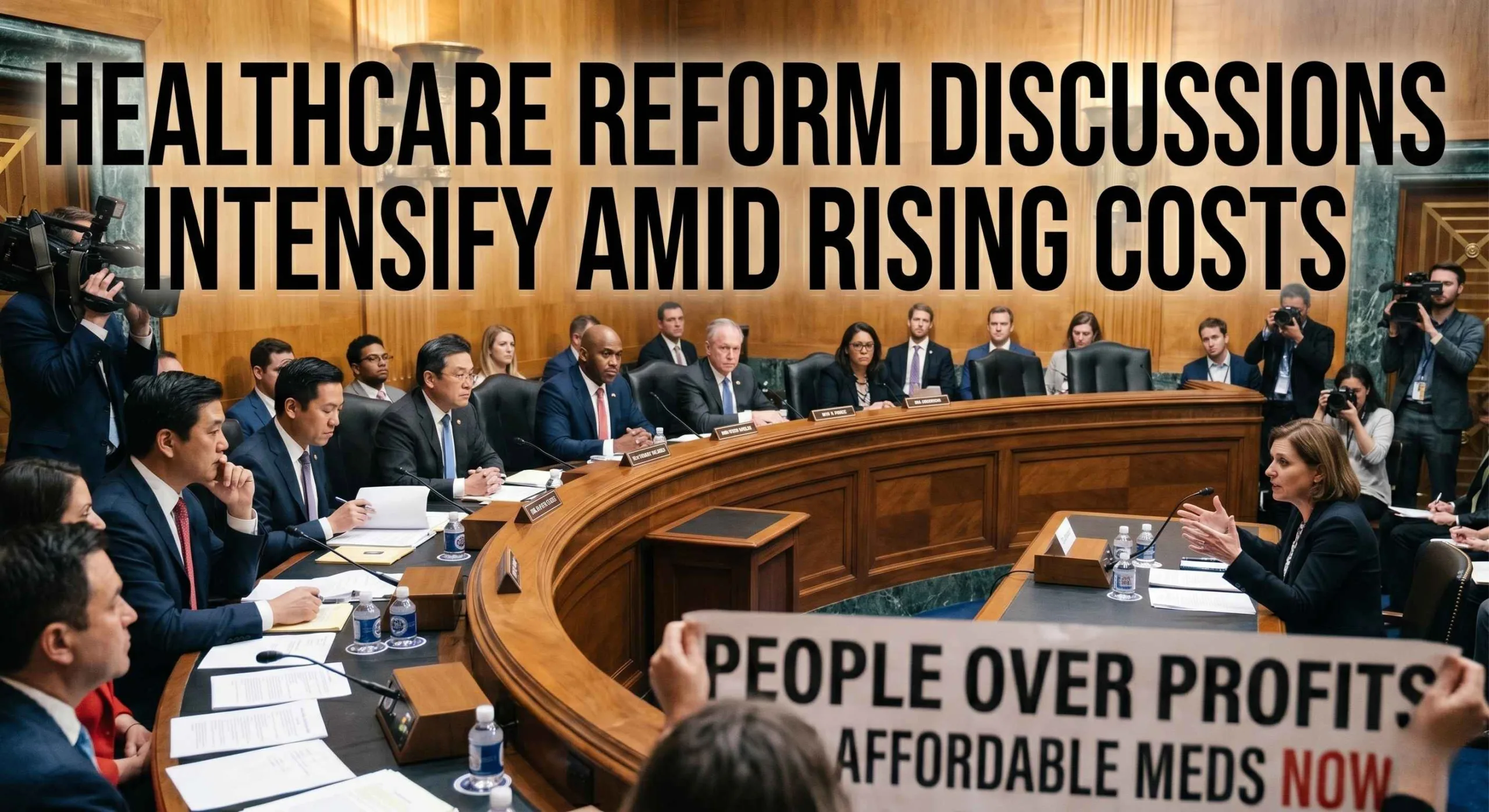
Healthcare reform is once again a major topic in Washington, as lawmakers grapple with rising medical costs and accessibility challenges. Recent reports show that healthcare spending in the U.S. continues to climb, placing a heavy burden on families and employers alike. Prescription drug prices, insurance premiums, and hospital expenses are among the key drivers of this trend, sparking renewed calls for systemic reform. The debate is not new, but the urgency has grown as more Americans struggle to afford basic medical care.
The administration has proposed measures aimed at lowering prescription drug costs, expanding coverage options, and strengthening Medicare and Medicaid. One of the most debated provisions involves allowing the government to negotiate drug prices directly with pharmaceutical companies, a move that could significantly reduce costs for patients. Critics argue that such measures could stifle innovation in the pharmaceutical industry, while supporters emphasize the urgent need to make healthcare more affordable. The proposal has sparked intense lobbying from both sides, with drug manufacturers warning of reduced research investment and patient advocacy groups demanding immediate relief.
Access to healthcare remains uneven across the country. Rural communities often face shortages of medical professionals and facilities, while urban areas struggle with overcrowded hospitals. Telemedicine has emerged as a potential solution, offering remote consultations and expanding access, but challenges such as internet connectivity and regulatory barriers persist. The debate also touches on broader issues of equity, with marginalized communities disproportionately affected by rising costs and limited access. For many families, healthcare expenses have become a leading cause of financial stress, forcing difficult choices between medical care and other necessities.
Insurance coverage is another critical issue. While the Affordable Care Act expanded access to millions of Americans, gaps remain. Some individuals still fall through the cracks, unable to afford premiums or excluded due to employment status. Employers, too, face rising costs in providing health insurance to workers, leading some to reduce benefits or shift expenses onto employees. The proposed reforms aim to address these gaps, but disagreements over funding and implementation remain significant obstacles.
The political landscape surrounding healthcare reform is deeply divided. Some lawmakers advocate for a single-payer system, arguing that universal coverage is the only way to ensure equity and affordability. Others push for market-based solutions, emphasizing competition and consumer choice. The complexity of the issue ensures that any reform will require compromise and careful consideration. As discussions continue, the stakes remain high for millions of Americans who depend on affordable and accessible healthcare.
The pharmaceutical industry plays a central role in the debate. Drug prices in the U.S. are among the highest in the world, often leaving patients unable to afford life-saving medications. Proposals to cap prices or allow government negotiation have gained traction, but industry leaders warn that such measures could reduce incentives for innovation. The tension between affordability and innovation is a recurring theme in healthcare policy, reflecting the broader challenge of balancing immediate needs with long-term progress.
Hospitals and healthcare providers are also grappling with rising costs. Staffing shortages, increased demand, and regulatory requirements have strained resources. Many hospitals report financial difficulties, particularly in rural areas where patient volumes are lower. The proposed reforms include funding to support struggling facilities, but questions remain about sustainability. Healthcare workers, meanwhile, face burnout and stress, raising concerns about the long-term viability of the system.
Technology offers both opportunities and challenges. Advances in medical devices, digital health platforms, and data analytics have the potential to improve care and reduce costs. Telemedicine, in particular, has expanded rapidly, offering new ways to connect patients with providers. However, the integration of technology requires investment and adaptation, and not all communities have equal access. Policymakers must ensure that technological solutions do not exacerbate existing disparities.
Public opinion on healthcare reform reflects widespread frustration. Polls show that a majority of Americans believe the system is too expensive and too complex. Many support reforms aimed at lowering costs and expanding access, but opinions vary on the best approach. The issue has become a central theme in political campaigns, with candidates using healthcare policy to rally support. For voters, healthcare is often a deeply personal issue, tied to their own experiences and financial realities.
International comparisons highlight the challenges facing the U.S. system. Other developed nations spend less on healthcare while achieving better outcomes in areas such as life expectancy and infant mortality. Advocates of reform argue that the U.S. can learn from these models, adopting practices that emphasize prevention, efficiency, and universal access. Opponents caution against adopting foreign systems, arguing that the U.S. requires solutions tailored to its unique context.
In conclusion, healthcare reform discussions in Washington reflect the complexity and urgency of the issue. Rising costs, uneven access, and political divisions ensure that the debate will continue for years to come. The proposed reforms represent an important step, but significant challenges remain. The outcome will have profound implications for millions of Americans, shaping the future of healthcare in the nation.
Disclaimer: This article is intended for informational purposes only and does not provide medical or legal advice.
#HealthcareReform #MedicalCosts #PrescriptionDrugs #USPolitics #AffordableCare