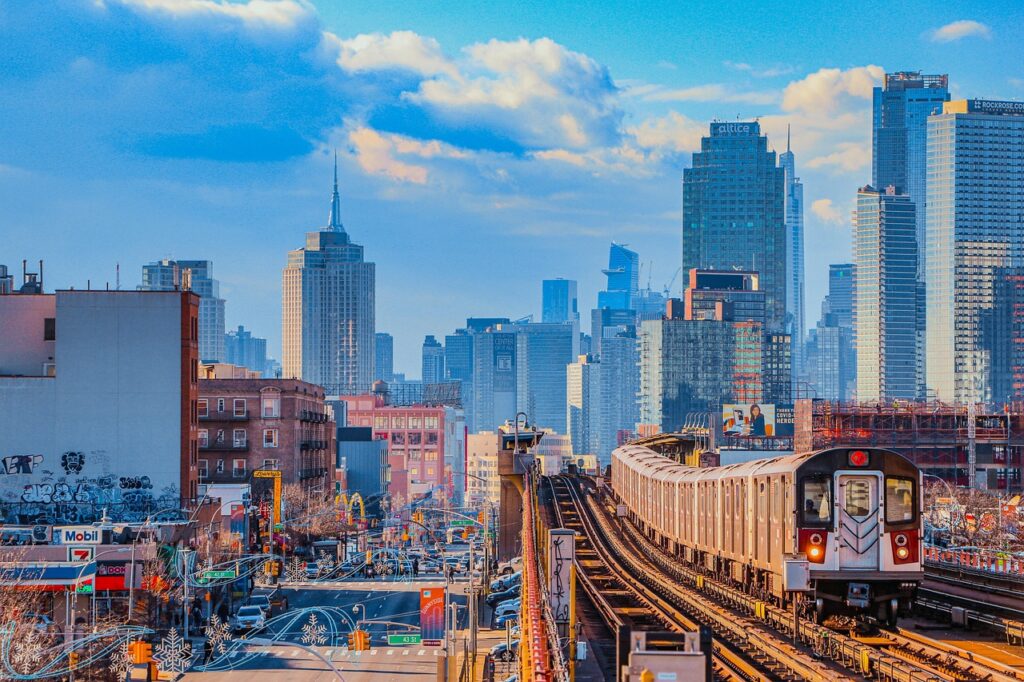

New York City law enforcement officials arrested two individuals on July 1 after they scaled the exterior of the Empire State Building, an incident that occurred just as millions of Americans prepared for a record-breaking July Fourth holiday travel period.
A Breach of Security at a Global Icon
The unauthorized climb of the Empire State Building drew immediate attention from New York City Police and emergency services. Authorities took the two climbers into custody shortly after they reached the upper levels of the landmark, citing concerns over both public safety and the integrity of one of the world’s most recognizable structures.
The Empire State Building, which stands 1,454 feet tall, remains a high-security facility under constant surveillance. While the motive behind the climb remains under investigation, the event highlights the ongoing challenges of protecting iconic skyscrapers in dense urban environments.
The Travel Landscape of Independence Day
Concurrent with the security breach, the Transportation Security Administration (TSA) and major airlines are reporting a massive influx of travelers. Industry analysts from AAA project that this Fourth of July weekend will see record-breaking numbers of Americans hitting the roads and filling airports across the country.
Data from the travel industry suggests that domestic travel demand has fully returned to pre-pandemic levels. Airports are currently managing passenger volumes that frequently exceed 2019 benchmarks, leading to increased pressure on infrastructure and logistics personnel.
Logistics and Operational Challenges
The combination of high-profile security incidents and peak travel volume places significant strain on regional transit hubs. New York City, a central node for both rail and air travel, is experiencing heightened alert levels as security teams attempt to manage the dual demands of crowd control and incident response.
According to aviation experts, the primary bottleneck for travelers this week remains the unpredictable nature of summer weather patterns. Meteorologists have warned that thunderstorms across the Eastern Seaboard could exacerbate existing delays, potentially leading to cascading cancellations throughout the holiday weekend.
Industry Implications and Future Outlook
For the travel and tourism industry, the current surge underscores the necessity of robust operational planning. Airlines are currently operating at maximum capacity, leaving little room for error when mechanical issues or security incidents disrupt standard schedules.
As travelers move through the holiday week, industry observers will be monitoring how federal agencies balance the need for increased security with the mandate to keep transit corridors moving efficiently. The focus for the remainder of the week will shift toward managing the inevitable traffic congestion on highways and the potential for late-week flight disruptions as the holiday concludes.