
Introduction
The connections between nations often run deeper than modern political treaties or contemporary economic agreements. Sometimes, bilateral relationships are forged in the most harrowing circumstances, leaving behind a legacy that endures for generations. A profound reminder of this enduring bond exists far from South Asia, embedded quietly in the rural landscapes of Western Europe. This shared heritage traces back more than a hundred years to the brutal battlefields of the First World War.
Historical Context of the Great War
When the global conflict erupted in 1914, armies from across the globe converged on the Western Front. Among the troops deployed to halt the invading forces were hundreds of thousands of servicemen from the Indian subcontinent. These men traveled thousands of miles from their homes, leaving behind familiar climates and cultures to face unprecedented industrial warfare on foreign soil.
Flanders Fields and the Western Front
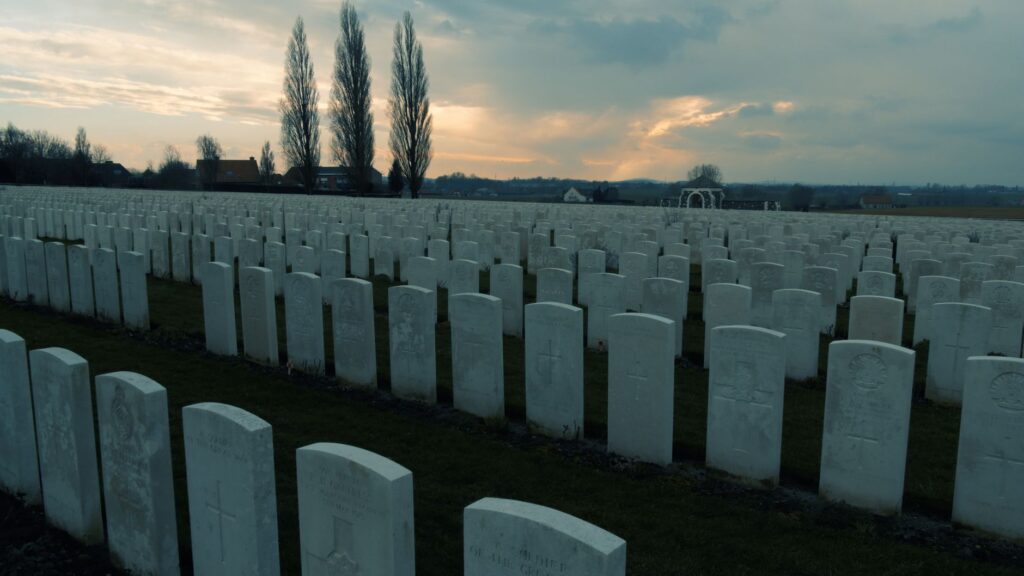
The geography of Belgium bore the brunt of intense military campaigns, particularly in the region known for its muddy plains and agricultural terrain. Troops faced unimaginable hardships in the trenches, enduring harsh winters, relentless artillery bombardments, and fierce combat. Despite these daunting challenges, the foreign contingents demonstrated remarkable resilience and dedication while holding critical defensive lines.
Honoring the Forgotten Servicemen
For decades, the specific contributions of these troops remained relatively obscure in mainstream historical narratives. However, recent efforts to document and preserve their memory have brought renewed attention to their sacrifices. Local communities and historians in Europe work tirelessly to ensure that the resting places and memorials dedicated to these servicemen receive the respect they deserve.
Cultural Tities and Modern Remembrance
Today, modest gestures of remembrance serve as bridges connecting distant cultures. Visitors from the Indian subcontinent frequently travel to these European memorials to pay their respects to ancestors who never returned home. These visits foster a deeper mutual understanding and appreciation of a joint historical chapter that transcends geographical boundaries.
Conclusion
The legacy of the First World War extends far beyond the immediate battlefield outcomes. It serves as a permanent testament to human endurance and international cooperation. By remembering the individuals who served in Flanders, current and future generations honor a poignant chapter of global history that continues to unite nations across continents.