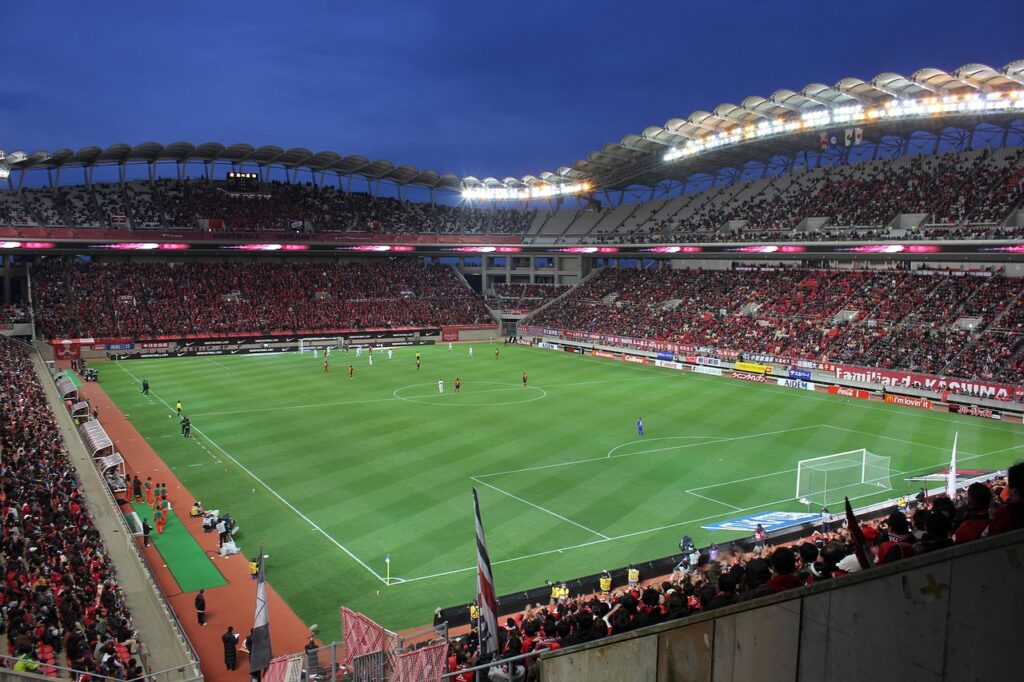

The United States men’s national soccer team officially launched its 2026 FIFA World Cup campaign on Friday, facing off against Paraguay in a high-stakes opening match held at SoFi Stadium in Inglewood, California. As the tournament marks the first time the United States has hosted the global event since 1994, the opening match serves as a critical milestone for a squad aiming to capitalize on home-field advantage.
The Road to 2026
FIFA awarded the 2026 World Cup hosting rights to a joint bid between the United States, Canada, and Mexico, marking the first time the tournament will feature 48 teams. This expansion represents a significant shift from the traditional 32-team format, increasing the total number of matches to 104.
For the U.S. team, the tournament is viewed as a generational opportunity to elevate the sport’s domestic profile. The team has spent the last several years refining its roster under a strategy focused on integrating young talent playing in top European leagues.
Strategic Focus and Roster Depth
The match against Paraguay provides an early look at the tactical adjustments implemented by the coaching staff. By prioritizing high-intensity pressing and possession-based play, the U.S. aims to dominate the midfield and neutralize opponents who rely on counter-attacking strategies.
Data from recent international friendlies suggest the team has improved its defensive transition, a historically difficult area for the program. Analysts note that the squad’s average age, currently among the youngest in the top tier of international soccer, provides the physical stamina required for the rigorous tournament schedule.
Expert Perspectives
Sports analysts emphasize that the pressure of playing on home soil is a double-edged sword. While the support of a sold-out SoFi Stadium crowd provides an undeniable boost, it also places immense scrutiny on every tactical decision made during the group stage.
“The depth of this current roster is unprecedented for the U.S. program,” said international soccer analyst Marcus Thorne. “However, success in 2026 depends on the team’s ability to maintain composure during the knockout stages against perennial powerhouses like Brazil or France.”
Economic and Industry Implications
The 2026 World Cup is projected to have a massive economic impact on the host cities. Beyond the direct ticket revenue, local businesses are bracing for a surge in tourism, hospitality, and infrastructure utilization throughout the month-long tournament.
For the broader soccer industry, the tournament is expected to accelerate investment in domestic youth academies and stadium infrastructure. Major League Soccer (MLS) is already seeing increased interest from international sponsors looking to capitalize on the heightened visibility of the sport in the American market.
Looking Ahead
As the tournament progresses, observers will be watching how the U.S. handles player fatigue and potential injuries during the condensed group stage. The ability to rotate the starting lineup without sacrificing defensive integrity will likely determine how far the team advances in the tournament.
Future matches will test the team’s resilience against varied tactical styles. The upcoming schedule includes critical fixtures that will define the team’s path to the round of 16 and beyond.