
Delhi Air Quality Updates
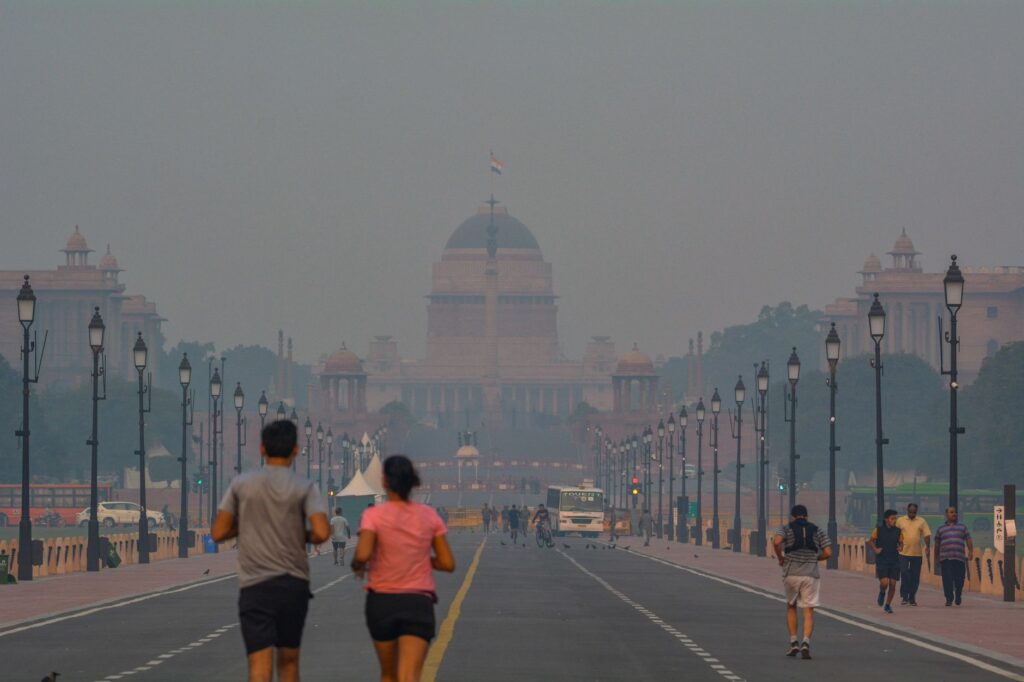
Recent environmental data indicates a notable positive shift in the atmospheric conditions across the national capital. Residents are currently experiencing a temporary reprieve from severe atmospheric pollution as the region records cleaner air than usual for this time of the period.
Official Air Quality Measurements
According to figures released by the Central Pollution Control Board, the daily average air quality index for the capital reached a reading of 71 on Friday. This represents a measurable improvement compared to readings recorded earlier in the week.
Looking at the recent progression of meteorological and pollution tracking metrics, the daily average index stood at 85 on September 2. Just prior to that, on September 1, the pollution tracking figures registered a higher daily average index of 113. This downward trend in the index value signifies a reduction in airborne particulate matter and better overall atmospheric clarity.
Understanding The Index Scale
The air quality index is a standardized tool utilized to communicate how polluted the air currently is or how polluted it is forecast to become. An index value residing in the lower ranges generally indicates lower health concerns for the general population. A reading of 71 places the local conditions well within acceptable parameters, offering relief to vulnerable groups such as children and the elderly who are typically more sensitive to airborne pollutants.
Temporary Relief Concerns
Despite the encouraging statistics, environmental observers and meteorologists caution that this favorable phase may prove short-lived. Shifts in wind patterns, regional weather conditions, and seasonal changes often dictate how long atmospheric pollutants remain dispersed or trapped over the northern plains.
As historical patterns suggest, industrial output, vehicular emissions, and changing climatic variables can quickly reverse these gains. Consequently, authorities and residents are advised to remain vigilant regarding future pollution updates as meteorological dynamics continue to evolve throughout the region.