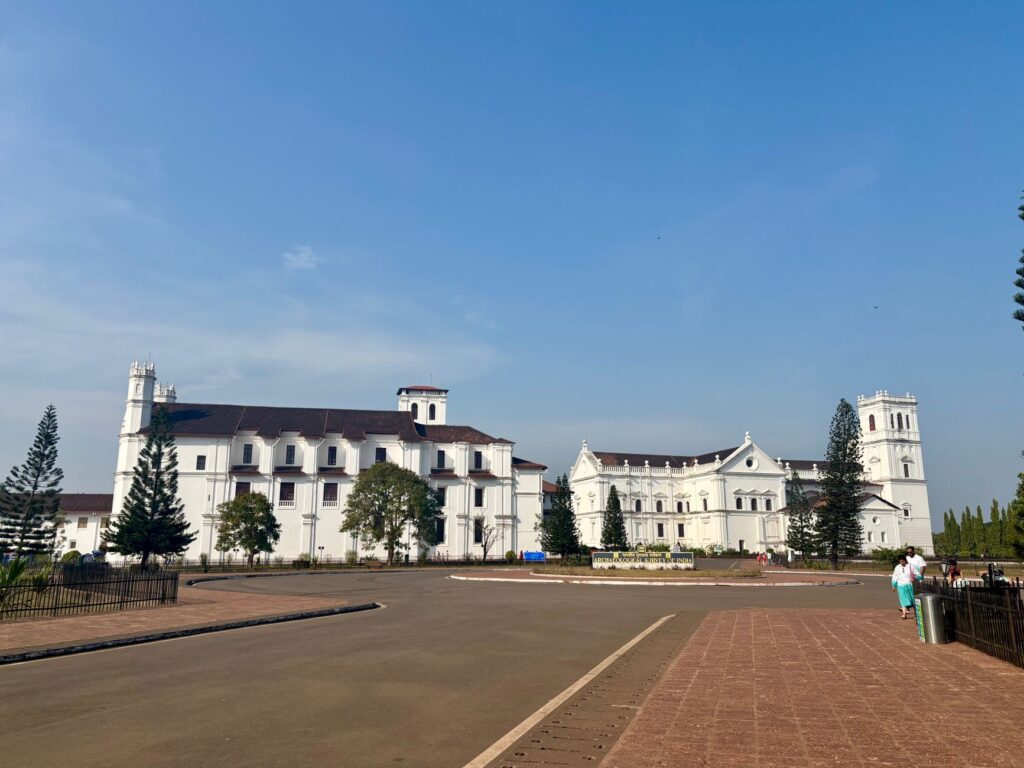

Goa Chief Minister Pramod Sawant has asserted that the historical region once possessed a temple architecture superior to that of South India, but centuries of colonial rule by the Portuguese resulted in the systematic destruction of these sacred sites.
Speaking at a public event, the Chief Minister elaborated on the region’s rich heritage prior to foreign occupation. He pointed out that the area governed by the Kadamba dynasty was renowned for its magnificent shrines and spiritual centers. According to historical accounts, the density and grandeur of these religious structures surpassed those found in neighboring southern regions.
The Impact of Colonial Rule
The arrival of Portuguese colonizers in the early sixteenth century marked a profound turning point for the local culture and architecture. During the eras of intense religious conversion and colonial administration, numerous indigenous shrines were demolished or severely damaged. The administration sought to dismantle the existing cultural landscape and replace local traditions with European influences.
Historians have long documented the religious policies enacted during the colonial period, which included the destruction of hundreds of temples across the territory. While many communities managed to relocate sacred deities to safer neighboring territories beyond colonial control, the original structures and architectural masterpieces were largely lost.
Reviving Cultural Heritage
In recent years, the administration in Goa has placed significant emphasis on recovering and celebrating its pre-colonial roots. Efforts are underway to restore historical sites, document lost heritage, and educate the younger generations about the Kadamba dynasty and other rulers who shaped the region before European arrival.
The Chief Minister emphasized that acknowledging this history is crucial for understanding the identity of the coastal state. By bringing attention to the architectural losses incurred during the centuries of foreign rule, the government aims to foster a deeper appreciation for the indigenous traditions that survived despite immense adversity.
Preserving the Past for the Future
Preservationists and historians continue to research archives to piece together the exact scale of architectural loss. Archaeological excavations and historical studies remain vital in uncovering remnants of the past that lie hidden beneath current structures or dense vegetation.
Ultimately, the discourse surrounding the pre-colonial era highlights a complex narrative of resilience. Despite the severe disruptions caused by colonial policies, the cultural and spiritual essence of the community persisted, leaving a lasting legacy that modern leaders and citizens continue to honor and explore today.